

Warm Plate: The Secret to Better Meals Every Time
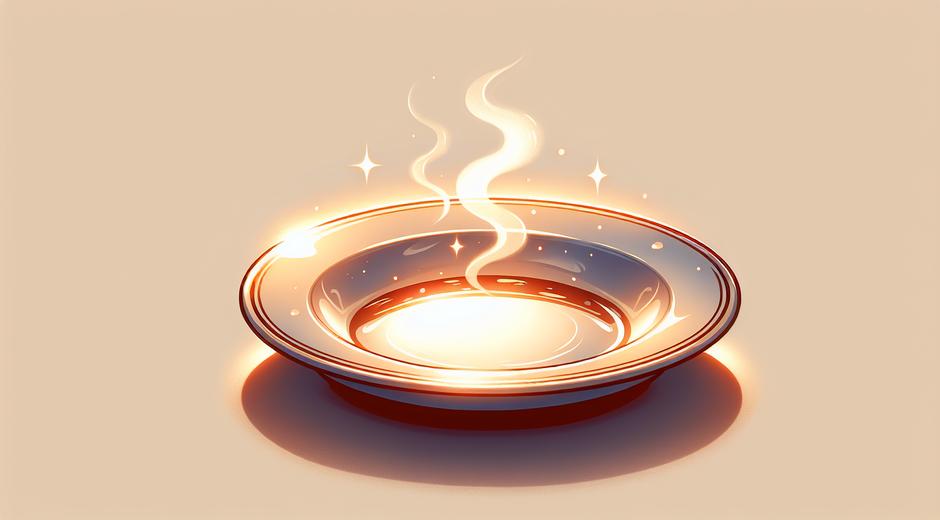
There is a simple trick professional chefs use to improve the dining experience at home and in restaurants. That trick is the Warm Plate. A warm plate keeps food at the right temperature longer, enhances flavor perception and gives every meal a touch of thoughtful presentation. In this article we explore why a Warm Plate matters, how to prepare plates safely and easily, tips for different cuisines and serving styles and ways to make the practice part of your daily kitchen routine.
Why a Warm Plate Matters
Temperature plays a major role in how we perceive taste and aroma. When a plate is warm, hot foods stay warmer longer and cold foods feel more balanced when served on a room temperature surface. A Warm Plate also prevents rapid heat loss that can make sauces thicken too fast or textures become less pleasant. Even a small change in serving temperature can shift the perception of sweetness acidity and texture. For dishes that rely on silky sauces or delicate melts like butter it is common to use a warm base to keep that lush quality intact.
Health and Safety Basics
Using a Warm Plate should always include attention to food safety. Never overheat a plate to the point it can scald. For ceramic and porcelain plates it is safe to warm them in an oven set at a low temperature for a short time. For glass or heat sensitive items follow manufacturer guidelines. If you use a microwave to warm plates be sure the material is microwave safe. Cleanliness is essential. Warm plates should be fully dry and free of any cleaning residue before food is placed on them. Keeping these simple rules ensures that using a Warm Plate is both safe and effective.
How to Warm Plates Safely and Quickly
There are several methods that work well depending on what tools you have. An oven set between eighty five and one hundred ten degrees Celsius is ideal for ceramic plates. Warming for five to ten minutes is usually enough to create a comforting surface. If you prefer a quicker approach use warm water and a towel. Soak a towel in hot tap water wring it out and lay plates on the towel until they reach the desired warmth. For restaurants a plate warmer or a heat cabinet keeps many plates at serving temperature and speeds workflow. Even warming a single plate in a tight oven or on a heated stove top surface for a minute can make a difference.
When Not to Use a Warm Plate
While a Warm Plate improves many dishes there are times it is best to avoid it. Cold desserts delicate salads and items meant to be crisp or chilled are best served on cool or room temperature plates. Using a Warm Plate for a cold dessert may alter texture and melt elements too quickly. When serving food that must remain chilled keep plates cool and dry. Knowing which dishes benefit from a Warm Plate will help you deliver the best experience for each course.
Pairing a Warm Plate with Different Cuisines
A Warm Plate works well across many cooking styles. For European comfort foods such as roasted meats braised vegetables and creamy pastas a warm base keeps gravies flowing and sauces smooth. In Asian cuisines where steam and heat are essential a pre warmed plate keeps texture intact from wok to table. Even for simple breakfasts a Warm Plate helps items like toast pancakes and eggs hold heat while you make coffee or set the table. The effect is subtle but consistent across styles.
Tools and Accessories That Make It Easy
You do not need expensive gear to practice warming plates but a few tools help. A small countertop plate warmer or a cabinet that holds plates at low heat is a great investment for frequent hosts. Microfiber towels used for warming are gentle on surfaces and hold heat well. If you are curious about modern gadgets that help in the kitchen you may find interesting articles and reviews at Techtazz.com where tools and tips for home cooks are discussed in depth. Good tools make it easy to adopt a Warm Plate habit without adding complexity to meal prep.
Serving and Presentation Tips
A warmed plate is not only functional it also improves presentation. Heat can enhance the aroma of dishes making them more inviting when placed on the table. Warm plates also prevent condensation for saucy items which keeps garnishes crisp. If you serve courses sequentially bring plates out individually so each person receives a fresh warmed base. For family style meals set a few warmed plates at a time and rotate them as needed. Small rituals like wiping the rim before serving make a big visual difference and show attention to detail.
Saving Time When Hosting
Preparing multiple dishes and keeping everything warm can be a challenge. Plan which plates you will warm and when to avoid last minute rushes. Use oven space wisely by warming plates when the oven is still hot from cooking. If you are staging a multi course meal warm the plates for early courses first and keep later ones in a plate warmer or insulated container. A Warm Plate helps food stay at serving quality longer so guests can enjoy conversation without rushing to finish before items cool.
Sustainable Practices
Being mindful about energy use is important. Warm plates require very low energy compared to heating large appliances. Use residual oven heat where possible and avoid long periods of warming on electric devices. Reuse towels for warming where appropriate and always follow care instructions for plates to extend their life. These small choices help reduce waste and keep your kitchen routine efficient.
Common Questions About Warm Plates
Is it safe to warm plates too much? Excessive heat can damage certain materials so follow manufacturer guidance and avoid rapid temperature changes. How long should plates be warmed? Five to ten minutes is enough for most ceramic plates. Can plastic plates be warmed? Only if the plastic is rated for high temperature use. Do I need a special warmer for a Warm Plate? No simple methods like a warm towel suffice for occasional use.
Conclusion
Using a Warm Plate is an easy way to improve meal quality without adding complexity to your kitchen routine. It enhances flavor perception preserves texture and elevates presentation. Whether you are a busy parent an avid host or someone who enjoys the craft of cooking adding a Warm Plate habit to your workflow brings measurable improvements to every meal. For more ideas about cooking techniques and food tips visit tasteflavorbook.com where we share recipes and guides to help you make food that delights.