

Flavor Trail
A Flavor Trail is more than a sequence of tastes. It is a curated sensory path that guides you through taste textures aromas and memories. Whether you are a home cook a food lover or a traveler seeking edible adventures the idea of a Flavor Trail can transform ordinary eating into an intentional journey. This article explores how to design follow and enjoy a Flavor Trail that reveals context and depth in every bite.
What a Flavor Trail Means
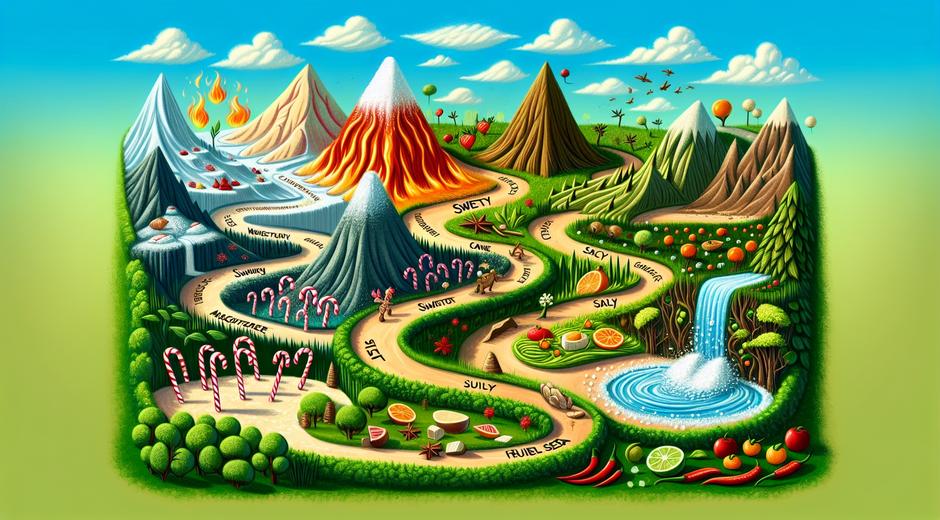
The term Flavor Trail evokes a route to discovery where each stop offers a distinct taste note or culinary idea. It borrows from food tour culture but is flexible enough to fit a single plate a multi course meal or a full day of tasting around a city. A well crafted Flavor Trail balances contrast and harmony. It considers acid and fat texture and aroma to create momentum that keeps the palate engaged. The goal is to tell a story through flavor so each element builds on the last.
Why a Flavor Trail Works for Food Lovers
People remember stories more easily than isolated facts. A Flavor Trail organizes flavors into a narrative that is easier to recall and more pleasurable to experience. The structure also sharpens tasting skills. When you plan a trail you pay attention to progression timing and pairing. This trains your palate to notice layers like background spice or lingering finish. For anyone focused on food education or sensory memory a Flavor Trail is a practical tool.
How to Create a Flavor Trail at Home
Designing a Flavor Trail at home is simple and fun. Start with a theme. For example choose seasonal produce a regional cuisine or a single ingredient prepared in several ways. Map out three to seven stops. For each stop choose one dominant taste and one complementary texture. Arrange items so that milder subtleties come first and bolder finishes follow. Cleanse the palate between stops with neutral water or plain crackers. Keep notes on what surprised you and what transitions felt natural. Over time these notes become a personal guidebook for future trails.
Tasting Techniques for a Better Trail
Good tasting technique enhances every Flavor Trail. Take small bites and allow food to rest on your tongue. Breathe gently through your nose to capture aromatic notes. Pay attention to where sensations appear in the mouth. Is the flavor bright at the tip is it smoky toward the back or does it linger on the sides? Write down a single sentence for each stop describing the main impression and the aftertaste. This habit makes assessment quicker and allows you to replicate winning combinations.
Pairing Tips to Make Your Trail Sing
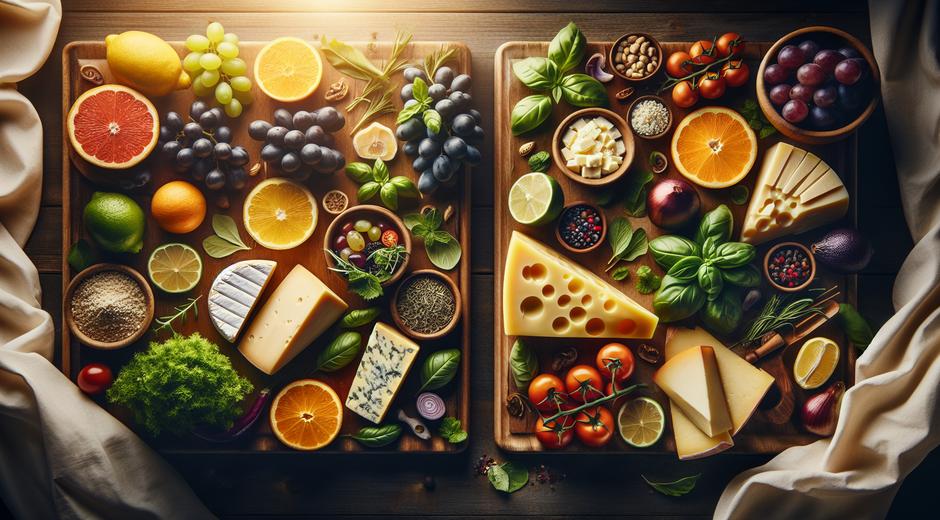
Pairing is a central tool when composing a Flavor Trail. Seek contrast when you want drama such as pairing a creamy component with something acidic. Seek complement when you want unity such as pairing roasted carrots with a spice that echoes its sweetness. Consider temperature texture and aroma as well as taste. A hot crunchy element can elevate a cold smooth one. Use acidity to cut through richness. Use salt to amplify sweetness and bitterness to provide balance. Thoughtful pairing increases the sense of movement along the trail.
Flavor Trail for Travel and Local Discovery
On the road a Flavor Trail becomes a map of cultural taste. Start a morning trail with local breakfast staples move to midday snacks and finish with a signature dinner item. Ask vendors about traditional condiments and preparation methods. Seek out small kitchens and family run stalls as they often preserve authentic flavors. Document each stop with a quick photo and a brief line about texture and spice level. Your travel Flavor Trail becomes both a personal memory and a curated list for future visitors.
Seasonal Flavor Trails
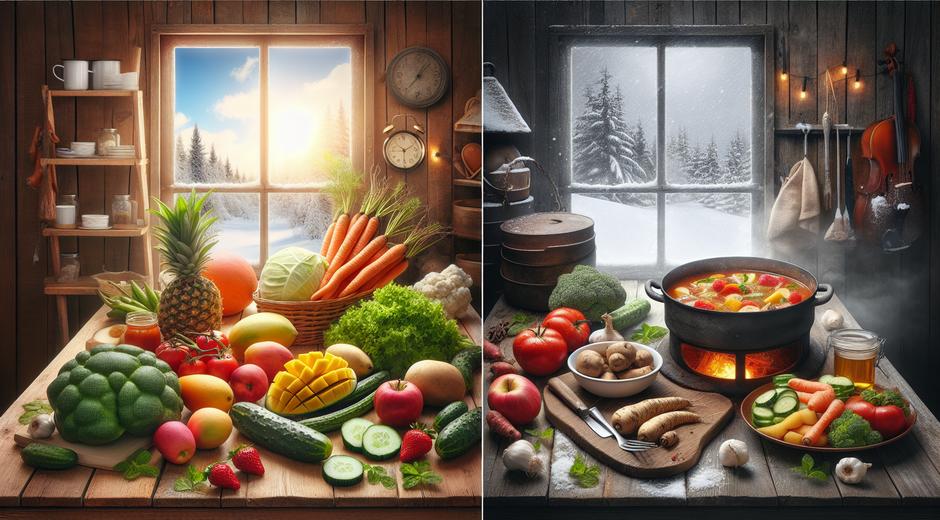
Seasons provide a natural framework for Flavor Trails. Spring trails highlight tender greens bright herbs and floral accents. Summer trails lean into ripe fruits crisp acidity and cooling dressings. Fall trails showcase roasted roots warm spices and deeper umami qualities. Winter trails emphasize comfort through slow cooked broths preserved items and bold condiments. Following seasonal rhythms keeps a trail fresh and teaches you how climate and harvest influence taste.
Tools and Resources to Build Your Trail
As you refine your Flavor Trail approach you may wish to consult curated content and community guides. For a broad index of recipes tasting tips and seasonal ideas visit tasteflavorbook.com where you will find inspiration organized by ingredient style and region. A good resource will include tasting notes pattern suggestions and simple exercises to train taste memory.
Creative Trail Ideas for Gatherings
Flavor Trails make gatherings interactive. Invite guests to a progressive tasting where each course represents a stop on the map. Provide small index cards with suggested tasting order and a space to jot impressions. Host a blind trail where guests guess components or regions based on aroma. For family occasions choose a nostalgic theme that traces childhood memories through recreated flavors. These activities create conversation and deepen appreciation for details that might otherwise go unnoticed.
Common Mistakes to Avoid
One error is designing a trail that lacks contrast. If every stop is rich or every stop is acidic the experience becomes flat. Another common mistake is overcrowding the palate. Too many elements at once confuse rather than clarify. Keep the trail focused and let each stop have room to breathe. Finally avoid repeating the same texture repeatedly. Varying crunch cream and chew keeps the journey lively.
Measuring Success on Your Flavor Trail
Success can be measured subjectively through enjoyment and objectively through memory. After a trail ask participants to name their favorite stops and to describe a single unexpected note. Over time your notes should show growth in detail and accuracy. If you are designing trails for guests collect feedback about pacing portion size and clarity of theme. Iteration is key so use each trail as research for the next.
Start Your Own Flavor Trail Today
A Flavor Trail is accessible to everyone. Begin with a single ingredient and explore three distinct preparations. Take notes and invite feedback. If you want curated examples and seasonal lists visit the community hub at TasteFlavorBook.com for guides and step by step ideas. With modest planning you can transform daily meals into a series of memorable taste moments that broaden your palate and deepen your love for food.
Once you begin the practice of following a Flavor Trail you will notice meals becoming more deliberate and more joyful. The method trains you to see food not just as fuel but as a textured narrative. Each plate becomes a chapter and each bite a clue. Whether you are cooking for one or planning a tour for a crowd the Flavor Trail concept offers a versatile and rewarding way to explore taste.