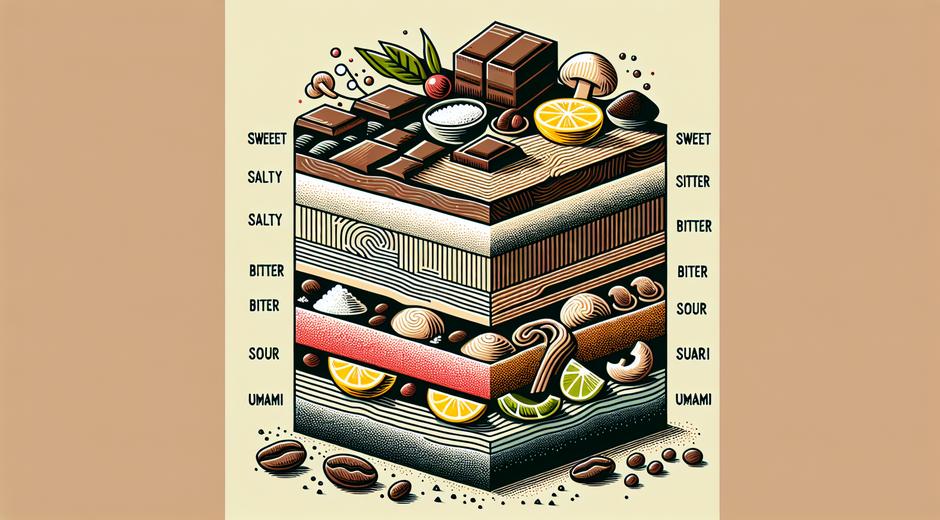


Flavor Layering: The Secret to Depth and Balance in Every Bite
Flavor layering is a culinary approach that elevates simple recipes into memorable meals by building taste in thoughtful stages. Chefs and home cooks who master this technique move beyond single note seasoning to create dishes with depth texture and harmony. In this article we will explore the principles of flavor layering practical techniques to apply at home and examples for a range of cuisines so you can start crafting complex balanced dishes with confidence.
What Flavor Layering Means in Practice
At its core flavor layering is the practice of adding taste elements at different points during cooking so each component contributes to a rich final profile. Instead of relying on one bold ingredient to carry a dish you introduce salt acidity sweet umami fat and aromatics in a deliberate sequence. This method enhances complexity and makes each bite interesting because flavors unfold rather than arriving all at once.
Why Flavor Layering Matters for Taste Quality
There are several reasons chefs emphasize layering. First salt brings out inherent flavors and balances sweetness. Second acid brightens and lifts the whole dish making other notes more distinct. Third fat carries aromatic compounds and provides a satisfying mouthfeel. Fourth umami adds savory depth that helps components taste cohesive. Finally texture and temperature contrasts complete the experience. Using these tools at different stages ensures that no single note overwhelms and that the final plate feels balanced.
Essential Elements to Layer
To apply flavor layering consistently focus on five basic elements. Start by seasoning early and often with salt to boost natural flavors. Add aromatic vegetables like onion garlic and ginger at the start of cooking to build a savory base. Introduce spices and herbs during cooking to allow heat to bloom their oils. Finish with acid such as lemon juice or vinegar to brighten. Lastly add a finishing fat like olive oil butter or toasted seeds to round out mouthfeel. When you incorporate these elements incrementally you create a full bodied result.
Techniques to Build Flavor Layer by Layer
There are practical steps you can follow when preparing most meals. Begin with a flavorful foundation by sweating or roasting aromatics. Then deglaze the pan to capture browned bits and incorporate them into the sauce or base. Simmer to concentrate flavors while adding seasonings gradually so you can adjust. Use finishing touches at the end such as a pinch of salt a squeeze of acid and a drizzle of quality oil. Finally let the dish rest if applicable so flavors meld before serving.
Layering in Different Cuisines
Every cuisine has its own approach to layering. In Italian cooking flavor often comes from a soffritto of onion carrot and celery combined with tomato and herbs. In East Asian kitchens chefs build savory bases with aromatics and fermented ingredients such as miso or soy sauce then add bright acids like rice vinegar. In Mexican cuisine the layering might include toasting spices working with roasted chilies and finishing with lime and fresh herbs. Understanding cultural techniques helps you adapt the layering concept to any recipe.
Examples and Recipes to Practice
One simple way to practice is with a basic tomato sauce. Start by sautéing onion and garlic in olive oil until translucent. Add crushed tomatoes and simmer to reduce. Season in stages adding salt early then adjusting through the simmer. Finish with a splash of good olive oil and a few basil leaves. For a chicken roast begin by brining or salting early then sear to develop color. Roast with aromatics and baste occasionally. At the end rest the bird and finish with a squeeze of citrus and fresh herbs. Each stage contributes a new layer of taste.
For a vegetarian option roast root vegetables to bring out natural sugars then toss with toasted spices and a bright vinaigrette. The caramelization adds sweetness the spices add warmth and the vinaigrette gives lift making a balanced dish. You can find more ideas and detailed step by step recipes by exploring culinary resources that focus on technique and ingredient pairing like tasteflavorbook.com which has curated articles and guides for cooks of every skill level.
Common Mistakes to Avoid
When trying to layer flavors cooks often make a few predictable errors. One is over seasoning at the end without seasoning early which can lead to flat flavor despite a salty finish. Another is relying only on heat or fat and neglecting acid and texture which leaves the palate unengaged. A third mistake is adding all spices at once so none have a chance to develop. To prevent these issues taste as you go and think about what each ingredient will bring to the final plate.
Advanced Tips for Confident Layering
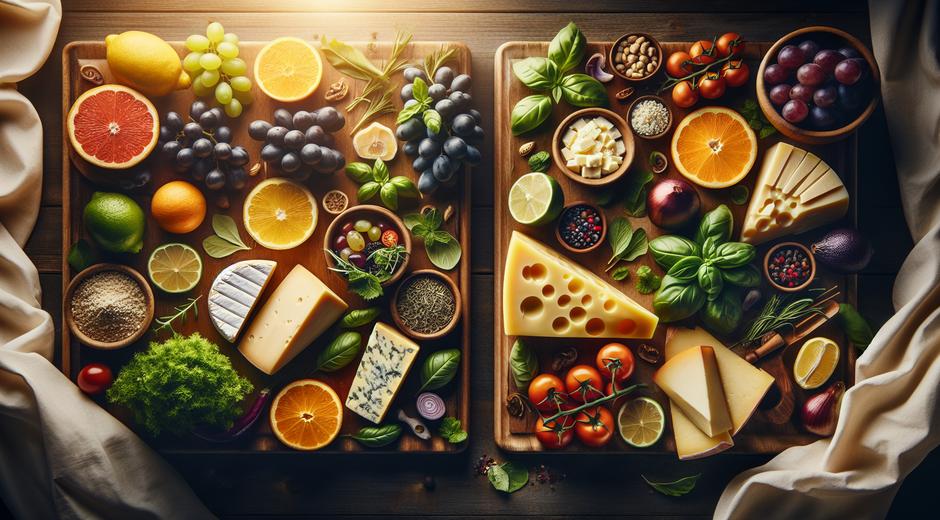
For cooks ready to go deeper consider building separate components that come together on the plate. Examples include a sauce a protein and a garnish. Each can be layered individually then combined for a multiplied effect. Learn to use umami rich ingredients such as aged cheeses mushrooms and fermented sauces to add depth. Also think about contrast by pairing creamy elements with something acidic or crunchy. Lastly experiment with resting or marinating time to let flavors fully develop.
Tools and Ingredients That Help
Certain pantry items make layering easier. Stock or broth adds background savory notes. Pantry acids like vinegars and citrus are essential for finishing. High quality oils and fats carry flavor and provide a luxurious feel. Toasted seeds nuts and crunchy garnishes can add a final textural layer. For those interested in culinary reading and creative inspiration there are curated platforms and products that celebrate the art of food and flavor such as Museatime.com which can help spark new ideas.
How to Practice Flavor Layering at Home
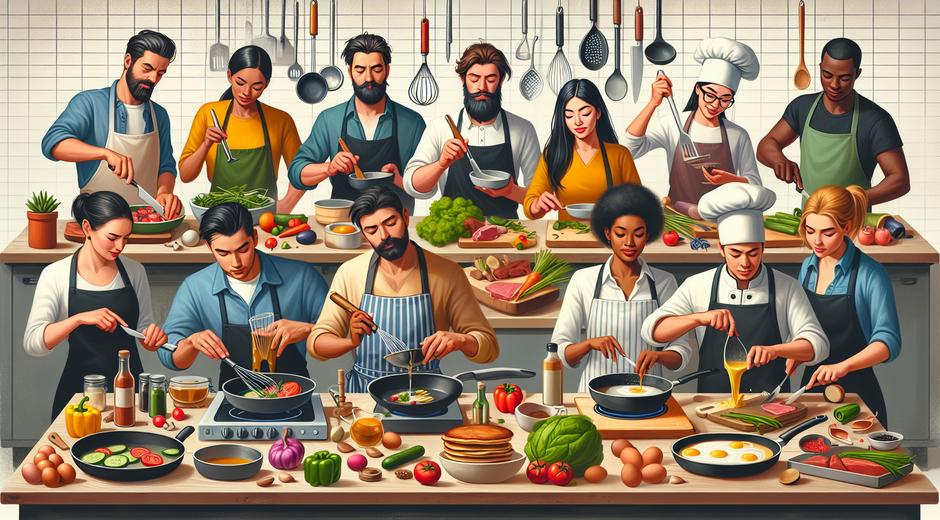
Start with familiar recipes and deliberately add one new layer each time you cook. For example improve a soup by adding a roasted vegetable puree for body then finish with an acid and a herb oil. Keep a small notebook or digital list of combinations that work so you can repeat results. Invite friends and family to taste and give feedback. Learning comes from iteration and from paying attention to how each addition changes the whole.
Conclusion
Flavor layering is not a mystery reserved for professionals. It is a repeatable thoughtful method that transforms ordinary meals into memorable dining experiences. By focusing on elements like salt acid fat aromatics and texture and by adding them in stages you will find that your cooking gains clarity balance and depth. Use practice and intention and soon layering will become second nature. Explore more techniques recipes and ideas for building flavor at home at tasteflavorbook.com and discover a world of taste waiting to be layered.