

Plating Basics
Why Plating Basics Matter
Plating Basics are more than visual decoration. Thoughtful presentation elevates flavor perception and creates a memorable dining experience. When a dish looks inviting and well balanced visually the expectation of taste rises. That expectation often becomes reality because diners approach each bite with focus and enthusiasm. For home cooks and professional chefs alike mastering Plating Basics enhances the enjoyment of food and can turn simple ingredients into restaurant quality presentations.
Essential Principles of Plating Basics
At the heart of Plating Basics are a few guiding principles that create harmony on the plate. Focus on balance color contrast texture contrast and focal points. Use negative space to frame the food and avoid overcrowding. Think about how the diner will interact with each element. Consider which component should be tasted first and guide that first bite by its placement. These simple ideas create cohesion and make even modest ingredients look polished and intentional.
Tools and Materials to Start With
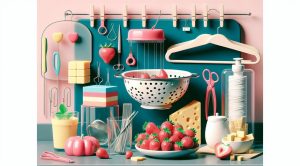
You do not need an arsenal of gadgets to practice Plating Basics. Start with a few essentials that help refine details. A set of good knives and a microplane are vital. Tweezers or kitchen tongs let you place small garnishes precisely. Small squeeze bottles are excellent for controlled sauce placement. Invest in white or neutral plates to allow color contrast to shine and choose a variety of plate shapes to explore different compositions. If you want a curated source for recipes and plating inspiration visit tasteflavorbook.com which showcases ideas that align with Plating Basics and provides visual examples you can emulate.
Composition Strategies
Composition is about arranging elements so the eye travels in a pleasing way. Use the rule of thirds by mentally dividing the plate into three parts and placing the focal element off center. Build layers to add height and depth by stacking components strategically rather than scattering them flat. Consider creating a triangle or line that draws attention to a key protein or vegetable. Vary the size of components to create a natural feel and avoid repetitive shapes that read as monotonous.
Color and Texture Contrast
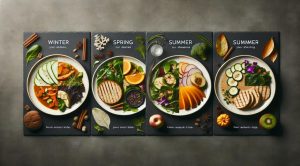
Color and texture are the twin engines of visual appeal. Bright vegetables fresh herbs and vibrant sauces create color contrast that invites tasting. Texture contrast keeps interest from the first bite to the last. Pair creamy elements with crunchy components and balance tender proteins with crisp vegetables. For example a silky puree alongside roasted root vegetables and a crisp green salad provides a multi sensory experience. Always think about how each color and texture will complement the other elements on the plate.
Using Negative Space and Balance
Negative space is a central concept in Plating Basics. Empty areas on the plate let the eye rest and focus on the food. A cluttered plate makes it hard for any single element to stand out. Aim for balance rather than symmetry. Asymmetrical compositions often look more dynamic and modern. Place heavier elements opposite lighter elements and use empty space to emphasize the central component. This gives the dish visual breathing room and a refined appearance.
Height Layers and Movement
Height adds drama. Building vertical interest with stacked components or strategically placed garnishes draws the eye and suggests intentionality. However maintain stability so the dish remains easy to eat. Create movement across the plate with sweeping sauces dotted micro herbs or gently angled pieces of protein. Movement directs attention and helps the diner intuitively understand how to approach the dish. Keep the tallest elements anchored and balanced by broader components at the base.
Sauce Application and Finishing Touches
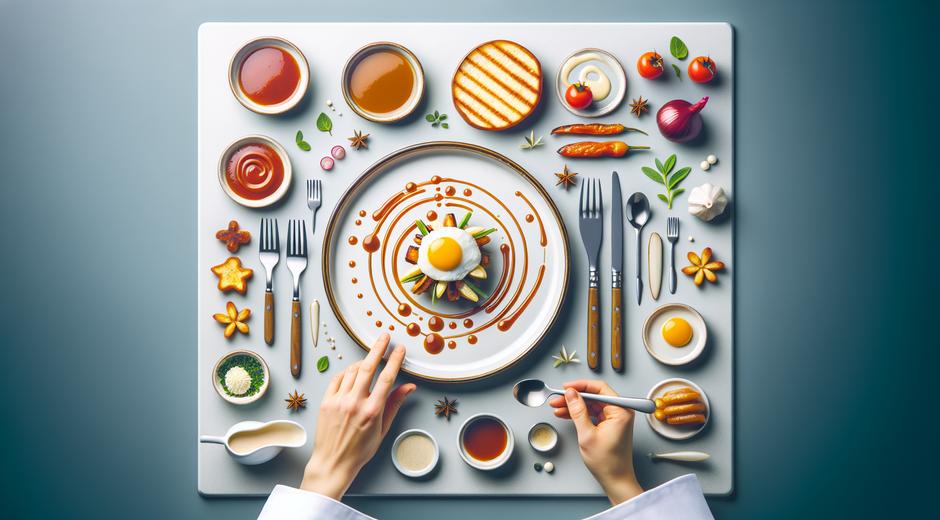
Sauces can enhance both flavor and presentation when applied with care. Use a spoon a ladle or a squeeze bottle to control placement. Consider leaving the sauce as a pool under the main element or as delicate dots or brush strokes. Finish with a glossy glaze a sprinkle of finishing salt a drizzle of good oil or a few crisped herbs. Micro herbs edible flowers and citrus zest are powerful finishing touches when used sparingly. The goal is to complement not to overwhelm the central flavors.
Practical Steps for Everyday Plating Basics
Start with a clean plate warmed if necessary. Position the main protein first then add starch and vegetables in relation to that anchor. Create height with layers and place any sauce after the main elements unless it is intended as a bed. Finish with garnishes that reinforce the flavor profile. Taste as you go and adjust seasoning before the final assembly. Practicing these Plating Basics repeatedly will turn deliberate moves into second nature.
Lighting Photography and Serving Considerations
Good lighting reveals the textures and true colors of your dish. Natural light is best for casual photography and serving under warm lighting can change how color appears. When preparing for guests think about timing and dish temperature. Plate elements that require heat immediately before serving to maintain texture. If you are photographing a plate consider minor tweaks to sprinkle micro herbs or to wipe plate edges for a pristine finish. These small Plating Basics make a large difference in both presentation and perception.
Learning Resources and Tools
There are many ways to improve your plating skills through practice guided lessons and observation. Study plates from chefs you admire and try to reproduce composition and balance. Watch videos that break down plating steps frame by frame and practice matching proportions and placement. For a tool that helps with timing sequence and workflow during service try a resource that focuses on operational efficiency such as Chronostual.com which can be useful when coordinating multiple components on a single plate.
Practice Exercises to Build Confidence
Set aside time to plate the same simple dish three ways focusing on color contrast texture and height in each attempt. Practice making three different sauce designs using the same sauce to explore various visual effects. Limit yourself to three main elements per plate to learn how to create impact with minimal components. Photograph each result and compare what works and what can be refined. Repetition of these exercises accelerates learning and helps internalize the core Plating Basics.
Conclusion
Mastering Plating Basics is accessible to anyone who cooks. By focusing on composition color texture balance and finishing touches you can elevate home cooking to a more refined experience. Use simple tools practice intentionally and study successful plates to develop your own plating voice. With time and repetition thoughtful presentation will become a natural part of your culinary process and your meals will both look and taste better.