

Homemade sauces
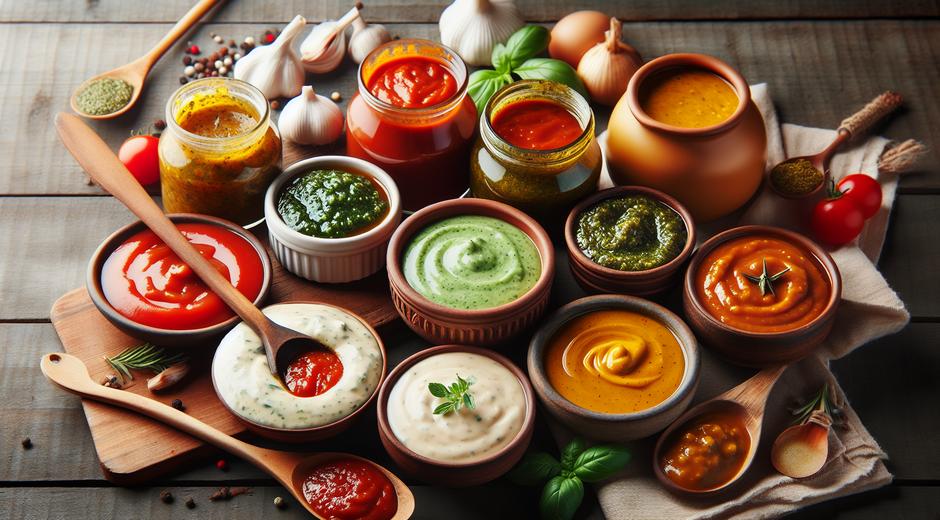
Making Homemade sauces is one of the most rewarding ways to transform simple ingredients into memorable meals. Whether you are dressing a salad, glazing roasted vegetables, building a sandwich, or finishing a bowl of pasta, a well made sauce elevates the dish. This comprehensive guide explores essential bases, techniques, classic recipes, storage practices, and flavor pairing ideas to help you become confident at crafting sauces at home. For more recipe inspiration and food articles visit tasteflavorbook.com and start experimenting today.
Why Homemade sauces Matter
Store bought sauces can be convenient but they often contain extra sugar salt and preservatives that mask the natural flavors of good produce. Homemade sauces let you control ingredients and texture so the final result complements your cooking style. Fresh herbs bright acids and controlled seasoning create depth and balance that jarred alternatives rarely match. Investing twenty to forty five minutes in a Homemade sauce can transform an ordinary meal into something restaurant quality.
Essential Bases for Homemade sauces
Most great sauces begin with a robust base. Learn these foundations and you will be able to improvise confidently.
- Tomato base: Fresh roasted tomatoes or canned tomatoes simmered with garlic onion and herbs form the backbone of many sauces.
- Dairy base: Cream yogurt or cheese create rich silky sauces ideal for pasta and vegetables.
- Broth base: Vegetable chicken or beef broth provides savory depth without heaviness making it ideal for pan sauces and reductions.
- Oil and vinegar base: Emulsified dressings and marinades rely on good oil quality and the right acid to balance flavor.
- Nut or seed base: Ground nuts or tahini create creamy plant based sauces with umami and texture.
Techniques to Master
Understanding technique will elevate your sauces from merely edible to exceptional.
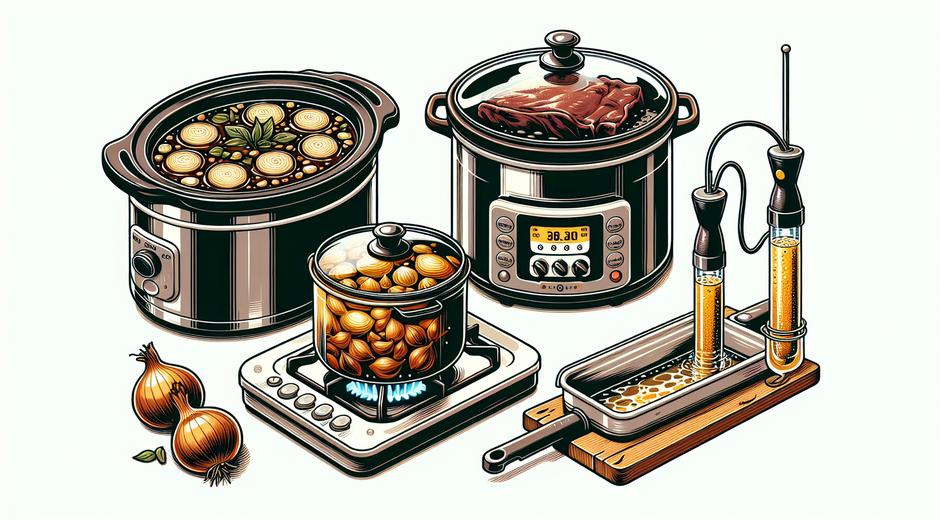
- Sweating aromatics: Cook garlic onion and similar aromatics slowly until they soften. This builds a sweet savory foundation without browning which can add bitterness.
- Deglazing: After searing proteins or vegetables add wine or broth to the pan and scrape up the browned bits. Those bits carry concentrated flavor and form the heart of many pan sauces.
- Emulsifying: To make silky vinaigrettes and mayonnaise style sauces slowly combine oil into an acid or egg based mixture while whisking continually. Use a blender or jar with a tight lid for convenience.
- Reducing: Simmering a liquid without a lid concentrates flavors and thickens the sauce. This is useful for wine reductions and glazes.
- Balancing: Constantly taste and adjust acid sweetness salt and heat. Small changes dramatically alter the final profile.
Classic Homemade sauce Recipes to Master
Start with these time tested sauces that are versatile across cuisines.
- Basic tomato sauce: Sauté garlic and onion in olive oil add crushed tomatoes simmer with basil and salt until thickened. Finish with a splash of good olive oil for sheen.
- Béchamel: Melt butter stir in flour to make a paste then whisk in warm milk slowly cook until thickened. Season with nutmeg salt and white pepper for creamy pastas and gratins.
- Pan sauce for meats: After searing meat deglaze with wine add broth reduce then finish with butter and herbs for a glossy sauce that complements steaks and chicken.
- Pesto: Blend fresh basil garlic pine nuts Parmesan and olive oil until smooth. Use for pasta chicken and roasted vegetables.
- Vinaigrette: Whisk vinegar or citrus juice with mustard then slowly whisk in oil until emulsified. Add salt pepper and herbs to taste.
Storage and Safety for Homemade sauces
Proper storage keeps your sauces safe and flavorful.
- Refrigeration: Most dairy and meat based sauces last three to four days in the refrigerator when stored in airtight containers. Tomato based sauces generally keep for five to seven days.
- Freezing: Many sauces freeze well. Divide into meal sized portions and use freezer safe containers. Leave space at the top for expansion.
- Reheating: Reheat gently over low heat stirring often. For dairy sauces add a splash of liquid to restore texture and avoid breaking.
- Food safety: Cool sauces quickly before refrigerating and do not leave perishable items at room temperature for extended periods.
Flavor Pairing and Uses
Knowing how to match sauces with ingredients is a key skill. Acid cuts richness making vinaigrettes and bright salsas ideal for fried foods and fatty meats. Cream based sauces complement roasted vegetables and mild fish. Umami forward sauces with soy miso or anchovy work well with grilled meats and hearty grains.
Think about texture and temperature too. Warm sauces cling differently than chilled dressings. Use chunky salsas to add contrast to smooth purees. Use a light drizzle of finishing oil or citrus to lift heavy dishes. Experiment with layering flavors tasting between additions so each element plays its role.
Common Mistakes and How to Fix Them
Even experienced cooks encounter missteps. Here are fixes for frequent problems.
- Too salty: Add acid a squeeze of lemon or a splash of vinegar can soften the perception of salt. For creamy sauces stir in unsalted cream or potatoes to dilute concentration.
- Too thin: Reduce by simmering gently or thicken with a paste of flour and water or a slurry of cornstarch and water added slowly while stirring.
- Broken emulsions: Slowly whisk in a teaspoon of warm water or an egg yolk to bring the sauce back together then add oil slowly while whisking.
- Bitter notes: Simmer with a pinch of sugar or a splash of acid to balance. A pat of butter can also smooth harsh flavors.
Healthy Swaps and Variations
Homemade sauces can be adapted for health goals without sacrificing taste. Replace heavy cream with strained yogurt or blended cauliflower for creaminess. Use olive oil based dressings in place of mayonnaise. Add pureed vegetables such as roasted peppers or carrots to create volume and fiber while reducing calories. Use herbs citrus zest and spices to amplify flavor so you need less salt.
Practical Tips for Consistent Success
Keep these habits to maintain quality and speed up the process.
- Prep mise en place: Chop and measure ingredients before you start cooking to avoid overcooking aromatics.
- Use good quality acid and oil: A bright vinegar and a fresh olive oil make a measurable difference in simple emulsions.
- Keep a tasting spoon handy: Taste frequently and build flavors gradually instead of trying to correct at the end.
- Make double batches: Sauces often freeze well so doubling a recipe saves time on busy nights.
Conclusion
Homemade sauces are an essential tool for anyone who loves food. They are versatile economical and a direct way to express personal taste. Start with simple bases practice key techniques and build toward more complex recipes. With practice you will learn how to balance flavors rescue problems and customize sauces for any meal. For menu ideas and ideas for special occasions explore resources such as Romantichs.com to see how a few thoughtful sauces can turn a dinner into an occasion. Embrace creativity and soon Homemade sauces will become an effortless highlight of your cooking repertoire.