

Flavor layering: The Art and Science of Building Taste
Flavor layering is a culinary technique that transforms simple ingredients into memorable dishes. At its core flavor layering means adding taste elements in a sequence that builds depth so each bite reveals new notes. Chefs and home cooks use this approach to make soups and sauces sing toasts and desserts linger on the palate. In this article you will learn the key principles behind flavor layering practical techniques and creative ways to apply them across cuisines.
What is Flavor layering and why it matters
Flavor layering is the deliberate use of contrast and complement to create complexity. Instead of relying on a single bold seasoning you introduce multiple components that interact. Think of it like music where different instruments play parts that add harmony and texture. When done well flavor layering results in balance length and a sensation of fullness in the mouth.
Why it matters for cooking and recipe design
– Depth makes food interesting. A stew that starts with a caramelized base and ends with bright acid and fresh herb notes will feel more satisfying than one with a single dominant spice.
– Balance keeps people coming back. A dish that has savory umami sweet acidity and texture invites repeated bites.
– Flexibility lets you elevate simple ingredients. With smart layering you can turn a humble vegetable or grain into a restaurant quality course.
Core elements of effective flavor layering
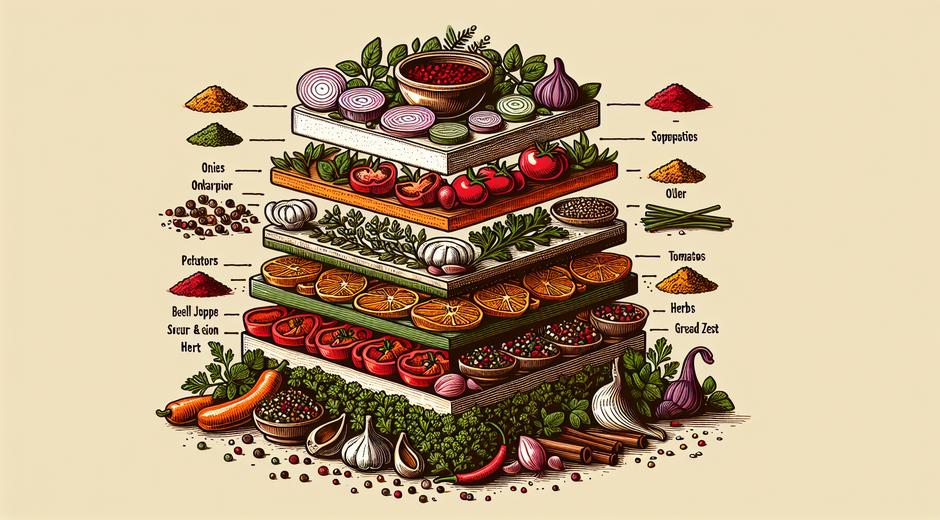
Successful flavor layering uses several building blocks. Focus on these elements and learn how they interact.
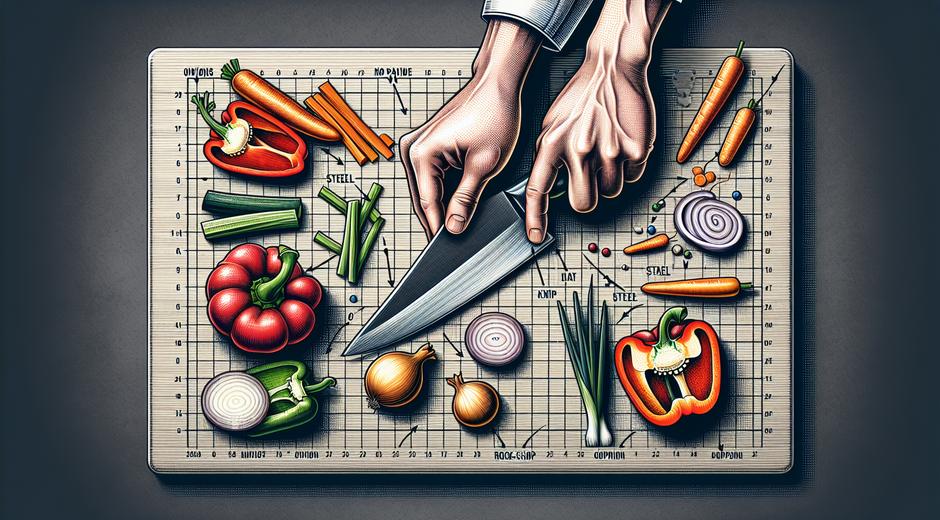
– Base flavors: Use aromatics like onion garlic celery or leek. Gently cooked aromatic vegetables create a foundation that supports later additions.
– Browning and caramelization: Maillard reaction and caramel notes add savory complexity. Browning meat or roasting vegetables deepens flavor.
– Umami boosters: Ingredients like tomato miso anchovy mushrooms aged cheese and soy sauce add savory resonance without overt saltiness.
– Fat: Butter olive oil coconut oil and animal fats help carry flavors and provide mouthfeel.
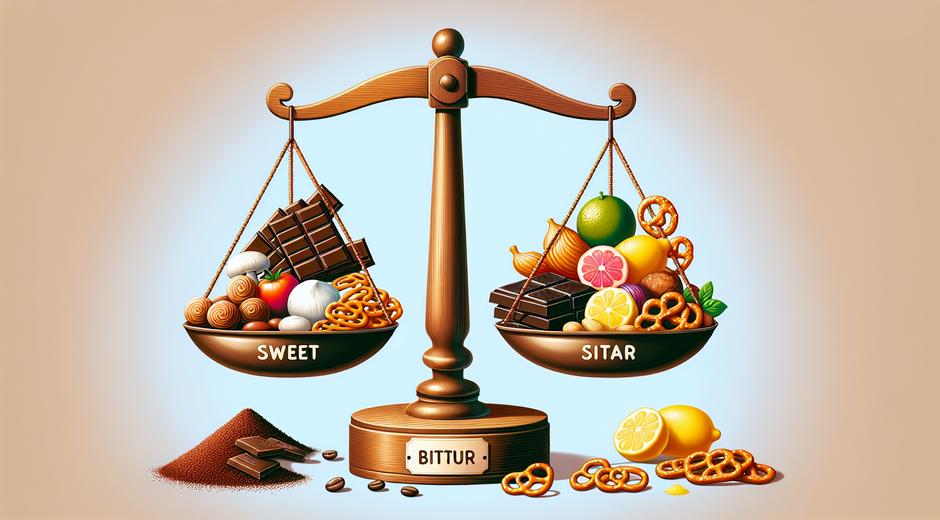
– Acid: Lemon vinegar wine tamarind and fermented products brighten the profile and prevent dullness.
– Sweetness: Natural sugars in roasted vegetables fruit and small amounts of honey or maple balance bitterness and acid.
– Heat and spice: Fresh chilies ground spices black pepper and warm spices add excitement and contrast.
– Fresh finishing notes: Herbs citrus zest micro greens and pickles provide lift at the end of cooking.
How to build flavor layers step by step
A reliable workflow helps ensure each layer contributes.
1. Start with a flavorful base
Sweat or lightly brown aromatics to release sugars. If making a soup or sauce take time to build a solid base. This is where you gain long lasting depth.
2. Add texture and brown where suitable
Roast sear or grill proteins and vegetables to create caramelized notes. Those browned bits are concentrated flavor that can be deglazed into a sauce.
3. Introduce umami and mid level notes
At this stage incorporate tomatoes mushrooms fermented products or anchovy pastes. These elements add density and complexity.
4. Balance with acid and sweetness
Taste and assess. Often a splash of vinegar lemon or a touch of honey is what makes the profile sing.
5. Finish with fat and fresh notes
A swirl of butter or good oil enriches mouthfeel. Fresh herbs citrus zest or a crisp element added last preserve bright aromas.
6. Rest and taste again
Allowing food to rest gives time for flavors to meld and sometimes reveals missing elements.
Practical techniques that support layering
– Progressive seasoning: Season in stages not all at once. Add salt early to develop flavors and adjust again at the end.
– Build in stages: Use sequential additions that are cooked for different lengths of time. Some ingredients need a long gentle simmer while others demand a quick finish.
– Contrast textures: Crisp toasted nuts crunchy pickles or crispy herbs add excitement and help the brain notice flavor contrasts.
– Use concentrated extracts sparingly: Stock reductions soy sauce miso or aged vinegar are powerful. Small amounts go a long way.
– Acid at the end: Adding acid at the last minute keeps brightness alive and prevents dulling from heat.
A simple recipe demo to practice layering
Try this outline for a quick weeknight meal using basic pantry items.
– Base: Sweat onion garlic and carrot in olive oil until soft.
– Brown: Add bite sized chicken pieces and brown lightly to create caramel.
– Umami boost: Stir in diced tomato and a spoon of miso or soy sauce.
– Simmer: Add stock and simmer gently for twenty to thirty minutes to meld flavors.
– Balance: Taste and add vinegar or lemon juice if needed along with a pinch of sugar or maple to round edges.
– Finish: Stir in butter for richness and scatter chopped parsley or basil for freshness.
This practice shows how sequential steps build a satisfying dish from simple parts.
Common mistakes and how to avoid them
– Over seasoning too early or too late: Taste as you go and adjust gradually to avoid over salting.
– Relying on one element: A single strong spice cannot replace layered nuance. Aim to combine rather than dominate.
– Skipping the resting step: Immediate serving can hide the final balance. A brief rest often improves cohesion.
– Neglecting texture: Flavor without texture can feel flat. Add a crunchy element or a finishing oil to improve mouthfeel.
Advanced tips for experienced cooks
– Think in families: Pair ingredients that belong to the same flavor family to enhance synergy. For example roasted carrot cumin and orange work well together.
– Play with temperature: Warm sauces and cold finishes like a dollop of yogurt create contrast that highlights flavors.
– Use infused fats: Infusing oil with garlic chili or herbs creates a carrier for flavor that disperses across a dish.
– Layer fermented products: Small amounts of pickled veg kimchi or preserved citrus can add complexity without overwhelming.
– Build seasoning bridges: Use an ingredient in multiple forms across stages. For instance use ground cumin early to cook off raw edge and toasted cumin at the end for aroma.
Where to learn more and resources
If you want detailed recipes and stepwise photo guides that show flavor layering in action visit tasteflavorbook.com for curated articles and collections. For additional ingredient guides and style ideas that complement culinary projects consider visiting StyleRadarPoint.com for curated product picks and inspiration.
Conclusion
Flavor layering is an accessible technique that improves both everyday cooking and special occasion menus. By thinking in terms of base mid level and finishing notes and by using contrast in acid fat sweetness and texture you can create dishes that feel complex and satisfying. Start simple practice a few recipes and refine your instincts for when to add each layer. With repetition you will learn how small choices make big differences and how to turn modest pantry items into standout meals.