

Home chef essentials Guide to Building a Kitchen That Cooks With Confidence
Becoming a confident home cook starts with equipping your kitchen with the right tools and pantry basics. Whether you are cooking for one or feeding a crowd, home chef essentials create the foundation for better meals prepared faster and with less waste. This guide covers the cookware tools pantry staples and organization tips that every aspiring home chef should know. Read on to discover how simple additions to your kitchen can improve technique and boost enjoyment at the stove.
Why Home Chef Essentials Matter
Great food is not only about recipes. The equipment you use affects results textures timing and safety. Investing in core items makes learning new techniques easier and reduces frustration. For example a sharp knife enables cleaner cuts which leads to even cooking and better presentation. Similarly a quality skillet retains heat which helps create a proper sear. These practical improvements matter when you want dinner on the table efficiently and consistently.
Core Cookware Every Home Chef Needs
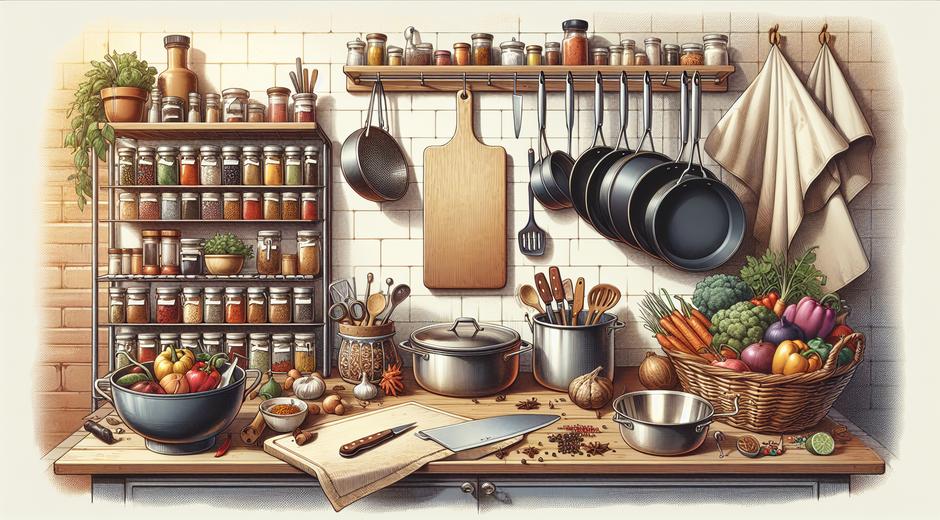
Start with a few versatile pieces that can handle most tasks. A heavy bottom saucepan in a medium size is ideal for sauces grains and reheating. A large sauté pan with sloped sides works well for browning and one pan meals. A sturdy cast iron skillet is perfect for searing roasting and finishing in the oven. Nonstick pans have a role for sticky foods and low oil cooking. Finally a stock pot is essential for soups pasta and blanching vegetables.
Choose material based on how you cook and how much maintenance you want. Stainless steel is durable and excellent for browning but may require more attention to prevent sticking. Cast iron needs seasoning but rewards with unmatched heat retention. Nonstick offers easy cleanup but can wear out so select high quality surfaces and avoid high heat that shortens their lifespan.
Knives and Cutting Tools
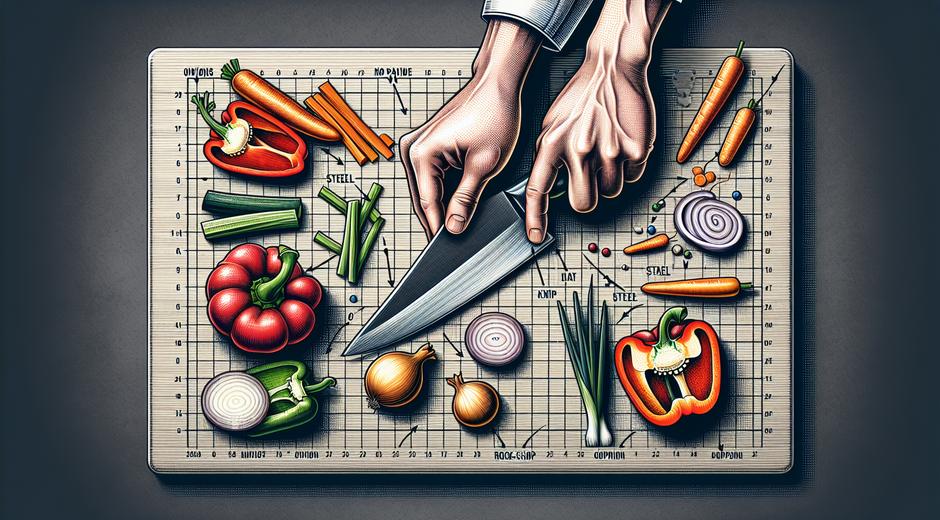
A small set of knives can cover nearly all prep needs. A chef knife around eight inches is the workhorse for chopping slicing and dicing. A paring knife handles delicate tasks like trimming and peeling. A serrated bread knife is useful for crusty loaves and tomatoes. Invest in a good cutting board that is friendly to blades and easy to sanitize. A bench scraper makes transferring chopped ingredients quick and helps keep the workspace tidy.
Prep Tools and Small Items That Make a Big Difference
Many inexpensive items deliver big returns in speed and precision. Measuring cups and measuring spoons ensure reproducible results especially for baking. A set of mixing bowls in multiple sizes helps with prep and mixing. Silicone spatulas are heat resistant and great for scraping pans. Tongs allow safe handling when flipping or transferring hot foods. A reliable thermometer takes guesswork out of cooking proteins and helps prevent foodborne illness.
Pantry Staples to Keep on Hand
A well stocked pantry supports quick meal building and reduces last minute trips to the store. Start with oils and acids such as olive oil neutral oil and a good vinegar. Stock a few dried grains like rice and pasta and keep a selection of canned goods such as beans tomatoes and broth. Salt pepper and a handful of spices like cumin paprika and dried herbs expand your flavor options. For baking have flour sugar baking powder and baking soda available. Fresh staples such as garlic onions lemons and eggs are the backbone of many recipes.
Small Appliances Worth Investing In
Small appliances can speed prep and expand what you can make at home. A blender is great for sauces smoothies and purees. A food processor reduces chopping time and handles doughs and spreads. An electric kettle saves time when you need boiling water. A countertop oven or air fryer can be a useful second oven for smaller households. Choose appliances that match your cooking style and counter space so they actually get used.
Organization Tips for an Efficient Kitchen
Organization keeps tools and ingredients accessible which reduces friction while cooking. Group items by task so baking tools sit together and prep items like knives and cutting boards remain near the counter where you work. Use clear containers for dry goods to maintain freshness and to assess when to restock. Keep frequently used utensils in a jar by the stove and store specialty tools in a dedicated drawer so they do not clutter the workspace. A simple rotation plan helps you use fresh items first and reduces waste.
How to Buy Wisely and Save Money
Smart shopping helps you build a dependable kitchen without overspending. Prioritize items you will use weekly and choose quality for tools that endure frequent use such as knives and cookware. For single use items or tools you may not use often consider borrowing renting or buying a lower cost model. Look for warranty information and read reviews to avoid common complaints. Thrift shops and kitchenware outlets are often good sources for gently used items that still perform well.
Maintenance and Care to Extend Lifespan
Proper care keeps tools performing and prevents costly replacements. Sharpen knives regularly and store them safely to preserve edges. Follow manufacturer recommendations for cookware cleaning and avoid abrasive tools on sensitive surfaces. Re season cast iron after use and dry thoroughly to prevent rust. Clean appliances promptly and perform basic maintenance such as descaling water heaters to maintain performance. A little care extends life and improves safety.
Putting It All Together in Real Meals
Once you have a set of home chef essentials you can begin applying simple strategies to improve daily cooking. Plan meals ahead based on what is in your pantry and what you can prep in advance. Batch prep staple ingredients such as roasted vegetables grains and cooked beans to speed weeknight meals. Learn a handful of foundational techniques such as searing braising and roasting and apply them across different proteins and vegetables. Over time your confidence will grow and you will find new combinations that excite your palate.
Resources and Next Steps
If you want recipe ideas and practical tips for using your new kitchen tools visit tasteflavorbook.com for curated guides and recipe collections that match common equipment lists. For guidance on pairing fitness goals with meal planning you may also find valuable resources at SportSoulPulse.com which covers nutrition timing and simple menus for active people. Combining practical tools with reliable information makes it easy to build meals that taste great and support your lifestyle.
Home chef essentials are not about amassing every single gadget. They are about selecting core items that fit how you cook and using them well. Start with versatile cookware sharp knives reliable prep tools and a stocked pantry. Organize and care for your items so they remain ready when inspiration hits. With a few thoughtful purchases and steady practice you will transform your kitchen into a place where great food happens regularly.