

Flavorful Dishes Guide to Crafting Memorable Meals
Creating Flavorful Dishes is both an art and a science. Whether you are a home cook looking to impress family and friends or a food creator aiming to refine your palate the path to unforgettable meals follows a few clear principles. In this article we explore why flavor matters, which techniques unlock deep taste, how to choose ingredients and how to present meals so they leave a lasting impression. For ideas and inspiration visit tasteflavorbook.com where you will find recipes and guidance that match your taste and skills.
Why Flavor Matters More Than Fancy Presentation
Presentation can catch the eye but flavor keeps people coming back. Flavorful Dishes deliver emotion and memory. When a meal has balanced taste layers people recall the moment and seek to repeat it. Focus on the sensations of sweet salty sour bitter and umami and how they interact. Contrast and harmony among these elements produce satisfaction.
Building great flavor starts with knowing how to layer taste. Start with a savory base such as sautéed onions garlic or roasted bone stock. Add an acid for brightness such as citrus or vinegar. Balance with a touch of sweetness from caramelized vegetables fruits or natural sweeteners. Finish with herbs spices and a fatty component like olive oil butter or cream to carry the flavors.
Core Techniques That Elevate Flavorful Dishes
Small technique changes yield major flavor improvements. Key methods to master include searing to develop Maillard reaction which creates complex savory notes. Roasting vegetables concentrates natural sugars and adds caramelized edges that play well against bitter greens. Deglazing a pan with wine stock or vinegar lifts the fond and transforms it into a rich sauce.
Reducing liquids intensifies flavor. Simmer stocks sauces or braising liquid until the taste is concentrated and aromatic. Toasting whole spices in a dry pan awakens oils and increases depth. Finally resting proteins after cooking allows juices to redistribute so each bite remains moist and flavorful.
Choosing Ingredients That Make Flavorful Dishes Sing
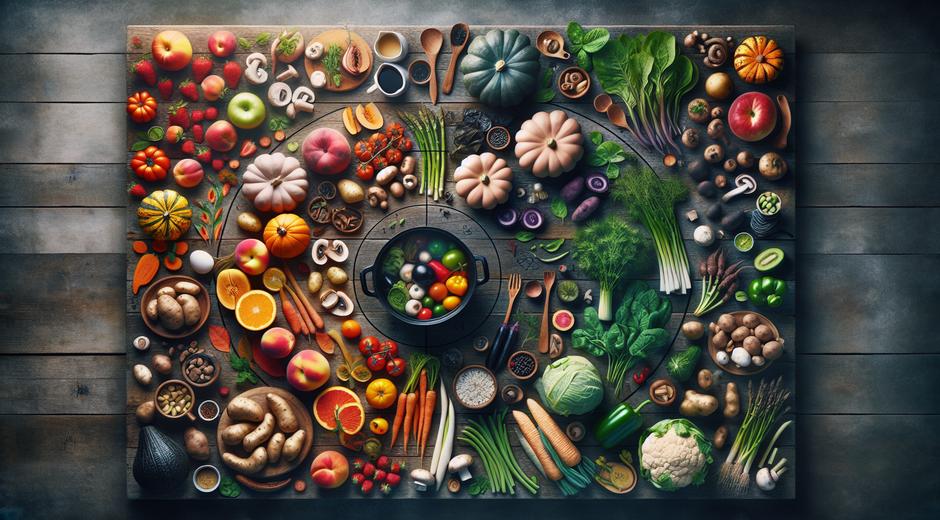
Great flavor starts at the source. Use fresh seasonal produce and high quality proteins. Seasonal fruits and vegetables tend to have peak sweetness and texture so they demand less manipulation in the kitchen. For proteins seek cuts that match your cooking method. Tougher cuts thrive with slow moist heat yielding melt in your mouth texture and deep savory flavor.
Herbs and spices are essential. Fresh herbs like cilantro basil parsley and mint add aromatic lift while dried spices like cumin coriander smoked paprika and star anise bring concentrated notes. Use acids such as lemon lime or different vinegars to lift and brighten. Salt is the primary tool to reveal taste. Learn to salt in stages while cooking rather than waiting until the end.
Balancing Taste in Every Bite
Balance is the secret of Flavorful Dishes. Aim to hit at least three taste elements in a plate. For example pair roasted salmon with a bright citrus salsa and a creamy grain side. The oily fish the acidic salsa and the mellow grain create contrast and unity.
Texture matters too. Crispy elements contrast creamy or tender components and create interest. Think toasted seeds crunchy croutons or a crisp pan sear against a silky sauce. Temperature contrast can also enhance perception of flavor so serve a warm stew over cool fresh herbs or a cool salad with warm grilled protein.
Herb and Spice Pairing Tips for Home Cooks
Learning which herbs and spices pair with which ingredients helps you build Flavorful Dishes quickly. Light proteins like fish work well with dill lemon and chives. Heavier meats like beef lamb and game pair with rosemary thyme and juniper. Asian inspired plates benefit from star anise ginger garlic and toasted sesame while Latin influenced dishes shine with cumin cilantro and oregano.
Create a simple herb finishing blend to add a final burst of freshness. Chop parsley chives and lemon zest then sprinkle on proteins right before serving. For spice blends toast whole seeds then grind them fresh for stronger aromatics.
Simple Recipes to Practice Creating Flavorful Dishes
Start with a handful of go to recipes that teach layering and balance. A vegetable roast with mixed root vegetables tossed in olive oil sea salt and a splash of balsamic vinegar becomes deeply sweet and savory. A pan seared chicken breast finished with a quick pan sauce made from white wine mustard and shallots demonstrates deglazing and reduction. A grain bowl with roasted vegetables beans a bright herb dressing and a crunchy seed topping teaches texture balance.
Practice building a taste map for each recipe. List the base the brightener the binder and the finish. For example for a stew the base might be caramelized onions the brightener could be tomato and vinegar the binder is the starch from potatoes or grains and the finish is a herb chimichurri.
Pairing Sides and Drinks with Flavorful Dishes
Proper pairings amplify enjoyment. Light crisp salads with acidic dressings cut through richer mains. Creamy mashed vegetables offer comfort next to a sharp chimichurri. For drinks match intensity. Lighter meals pair with light wines light beers or bright non alcoholic spritzes. Rich savory mains stand up to fuller wines or amber beers. Non alcoholic options like herbal iced tea and citrus infused water can provide cleansing contrast.
When designing a menu keep in mind the progression of tastes. Start with lighter elements move toward richer dishes and finish with something sweet but balanced by acid or spice to avoid cloying.
Sourcing Sustainable Ingredients for More Responsible Flavorful Dishes
Sourcing has a direct impact on flavor and on the planet. Fresh sustainably raised produce and responsibly caught seafood or ethically raised meats not only taste better but support practices that protect soil and water. Seek local farmers markets community supported agriculture and producers who share their approach. For tools and resources on eco friendly sourcing visit the partner site Ecoglobalo.com for ideas on sustainable practices and suppliers.
Shopping with seasonality in mind reduces waste and brings more vibrant taste to your table. When an ingredient is at its peak you will need less added fat sugar or salt to make a dish sing.
Presentation Techniques That Highlight Flavor
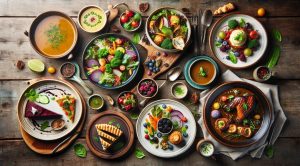
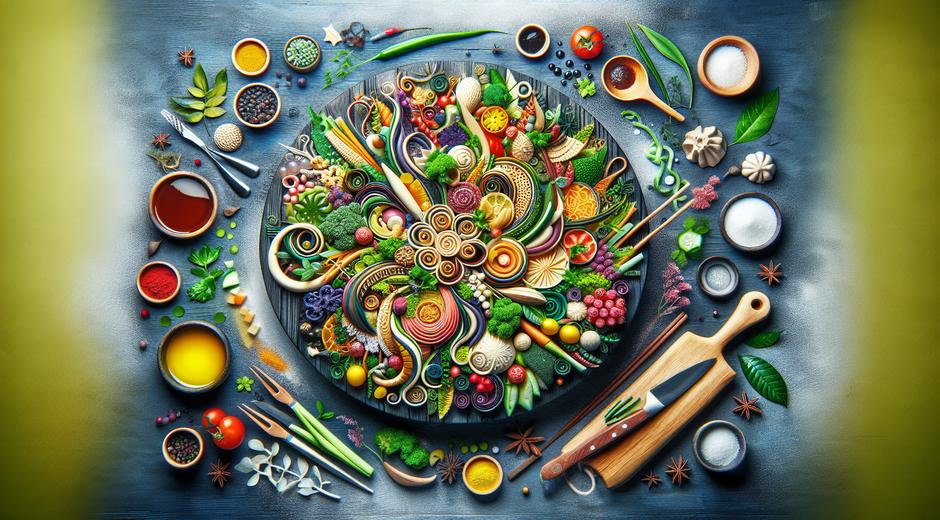
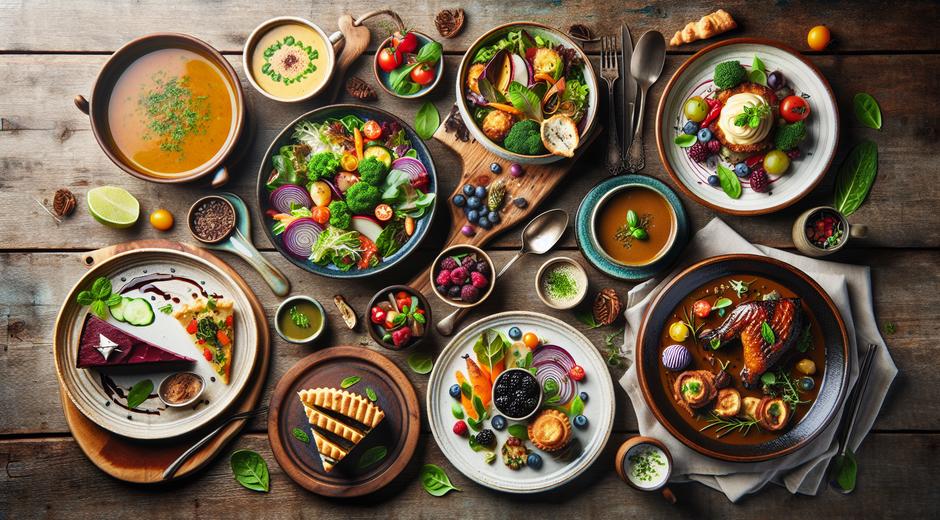
While flavor is the primary goal thoughtful plating helps guide the diner to a balanced bite. Use spoons to form quenelles place sauces in streaks and group components so diners can combine elements with each forkful. Garnish with contrast both in color and texture such as a sprinkle of toasted seeds a few micro herbs or a citrus zest.
Serve sauces on the side for those who like control and provide small tasting spoons so diners can sample the layers. Labeling dishes when hosting a dinner gives context and increases anticipation about the flavor journey.
How to Keep Improving Your Skills
The fastest route to cooking more Flavorful Dishes is practice plus mindful tasting. Taste as you cook and make small adjustments. Keep a flavor journal to note which pairings work and which do not. Experiment with one new spice or technique each week and invite feedback from friends and family.
Online communities recipe sites and local cooking classes are great for exposure to new ideas and for refining technique. Revisit classic dishes and tweak them by changing one element at a time to learn its impact.
Conclusion
Creating Flavorful Dishes is an achievable goal for any cook who focuses on technique quality ingredients balance and presentation. Small changes in how you cook and what you select for your plate will produce meals that are more satisfying memorable and repeatable. Start with seasonal ingredients layer taste elements and practice the techniques that concentrate and lift flavor. For ongoing inspiration recipes and tips return to tasteflavorbook.com and explore new ways to make every meal a flavorful experience.