

Simple Cooking Methods
Mastering simple cooking methods is the fastest way to build confidence in the kitchen and create reliable meals for everyday life. Whether you are new to home cooking or someone who wants to simplify the process, focusing on a small set of core techniques opens up a world of flavor with less stress. This article explores practical methods that any home cook can adopt, explains why they work, and offers tips to get consistent results. Use these ideas to cook more often and to enjoy the process more.
Why Simple Cooking Methods Matter
Simple cooking methods prioritize basic skills and straightforward steps so that flavor and texture shine through. When you rely on too many complex steps the chance of error rises and the joy of cooking can fade. By returning to foundational techniques such as roasting searing boiling and steaming you reduce variables and gain control. That is how good meals become repeatable. For more inspired recipes and ideas visit tasteflavorbook.com to see how simple methods can be combined into complete menus.
The Core Techniques to Master
Below are core approaches that will cover most everyday meals. Each method has a few key rules that lead to excellent results.
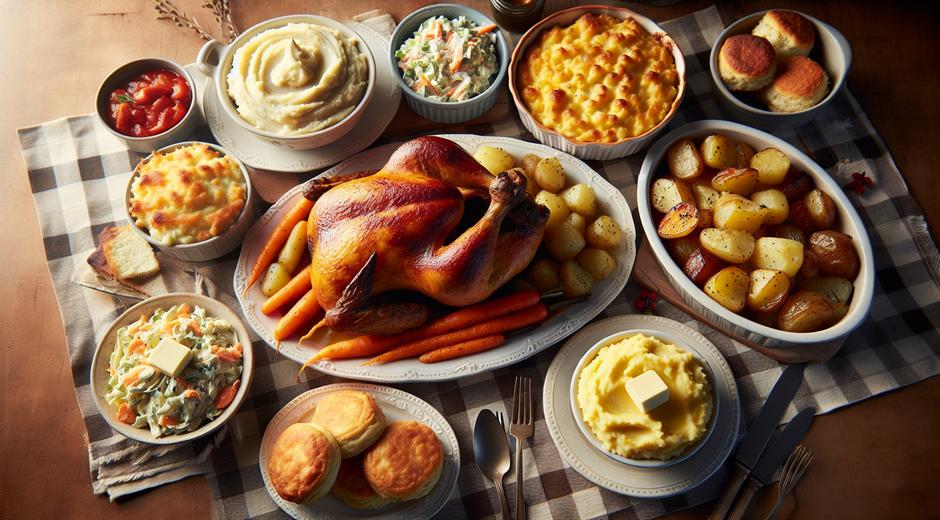
Roasting: Roasting uses dry heat and is ideal for vegetables whole cuts of meat and poultry. The objective is to develop a caramelized outer layer while preserving moist interior texture. Choose high quality ingredients chop vegetables into uniform pieces and space items on the pan so they brown rather than steam. Season simply with salt oil and herbs and let the oven do the work.
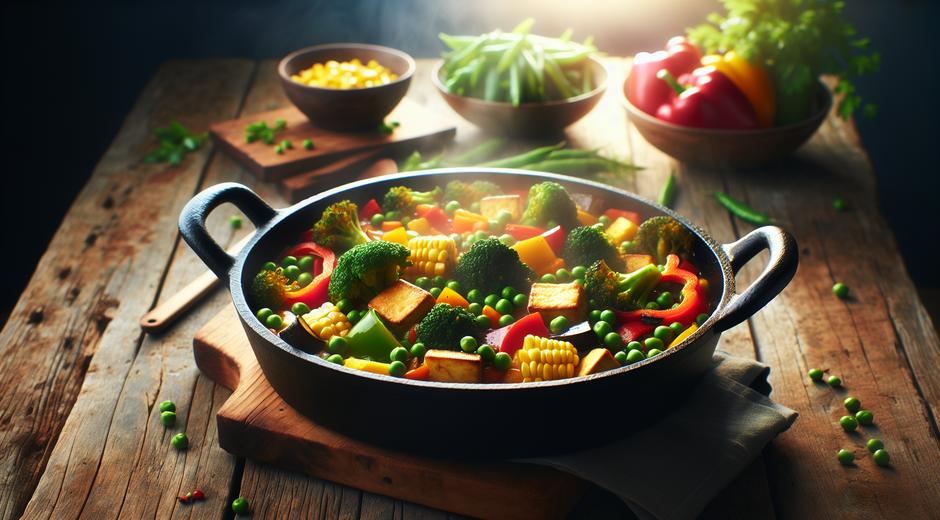
Searing: Searing creates a richly flavored crust on meats and vegetables through high heat in a pan. Pat proteins dry before placing them in a hot pan with a small amount of oil. Resist the urge to move food too often. Let a crust form then flip. Searing adds depth and aroma and pairs well with a short pan sauce for finishing.
Boiling and Simmering: For grains legumes pasta and many vegetables boiling or simmering is the most efficient method. Bring water to a full boil for pasta and grains that need quick cooking. For delicate items reduce to a gentle simmer. Simmering allows flavors to meld in soups stews and braises without overcooking fragile ingredients.
Steaming: Steaming preserves nutrients texture and color. It is ideal for leafy greens fish and dumplings. Use a tight fitting lid and avoid overcrowding the basket so steam circulates freely. Steam is also a forgiving technique when you need consistent results with minimal active time.
Grilling: Grilling adds smoky char and is perfect for seasonal produce and quick proteins. Use direct heat for quick sear and indirect heat for larger items that need longer cooking. Monitor heat levels and keep a spray bottle of water nearby for flare ups. Clean grill grates after use to prevent sticking and to maintain flavor clarity.
Simple Recipes to Practice These Methods
Practice is the key to mastering simple methods. Here are a few starter ideas that focus on technique more than complexity.
Sheet Pan Vegetables and Chicken: Arrange seasoned vegetables and bone in chicken pieces on a single sheet pan. Roast in a hot oven until vegetables are tender and chicken reaches safe internal temperature. The single pan reduces cleanup and produces concentrated flavor as juices mingle.
Pan Seared Salmon with Lemon Butter: Heat a heavy pan and sear salmon skin side down until crisp then flip for a short finish. Remove the fish and make a quick lemon butter sauce in the same pan to serve over the fillet. This approach highlights proper searing and pan sauce technique.
One Pot Lentil Stew: Combine lentils aromatics broth and seasonings in a pot and simmer until tender. Finish with a splash of vinegar or fresh herbs to brighten the dish. One pot meals teach careful simmering and flavor balance.
Tools That Make Simple Methods Easier
Investing in a few versatile tools will smooth the path to consistently good results. A heavy cast iron pan searing and oven tasks a sheet pan for roasting a sharp chef knife for efficient prep and a simple thermometer for checking doneness are top picks. High quality tools reduce frustration and help you focus on technique rather than gear.
Time Saving Tips for Busy Days
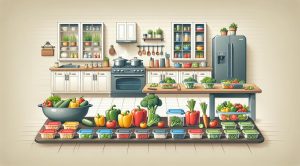
Simple methods lend themselves to batch cooking and fast assembly. Roast a large tray of vegetables that can be used across several meals. Cook a pot of whole grains to mix with roasted vegetables and protein for quick bowls. Use steaming for quick side dishes when time is limited. These practices create a foundation for balanced meals without long daily effort.
Flavor Boosters That Require Little Work
Small additions can transform basic methods into memorable dishes. Finishing oils herbs acids and contrasts in texture add complexity with minimal work. For example a drizzle of good olive oil or a squeeze of citrus can lift roasted vegetables. Fresh herbs added at the end preserve aroma. Toasted nuts or seeds add crunch. Learn to taste as you cook and add small adjustments to reach balance.
Safety and Storage Basics
Simple cooking does not mean sloppy habits. Practice safe handling with clean surfaces and proper storage. Cool cooked food quickly before refrigerating and use airtight containers to maintain freshness. Label leftovers with dates so you use them in a timely way. Proper storage preserves flavor and reduces waste.
Where to Learn More and Expand Skills
Once you feel comfortable with core methods try combining techniques for greater complexity. For example start by searing a roast then finish it in the oven. Or steam vegetables and finish them with a quick sauté for added texture. Online resources and community sites can spark ideas and help you refine technique. If you want to explore related topics outside the kitchen check resources that cover efficient systems and tools such as AutoShiftWise.com which offers guidance on maintenance and smart choices for everyday equipment.
Final Thoughts
Simple cooking methods are the backbone of home cooking. They reduce decision fatigue build confidence and produce reliable delicious meals. Focus on mastering a handful of techniques practice them often and add small seasoning moves to make dishes your own. With a few good tools and practical habits you will find that cooking becomes faster clearer and more enjoyable. Start with one method this week and pay attention to how small adjustments affect flavor and texture. You will be surprised by how far simple methods can take you.