

Fresh Ingredient Cooking: A Practical Guide to Flavor Health and Simplicity
Fresh Ingredient Cooking is more than a trend it is a return to simple methods that let real food shine. Using high quality produce proteins herbs and pantry staples transforms everyday meals into memorable experiences. This guide explains why Fresh Ingredient Cooking matters explores shopping and storage strategies outlines techniques that preserve flavor and offers easy recipe ideas you can make tonight. For a steady stream of recipes and tips visit tasteflavorbook.com where inspiration meets practical advice.
Why Fresh Ingredient Cooking Matters
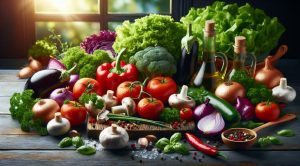
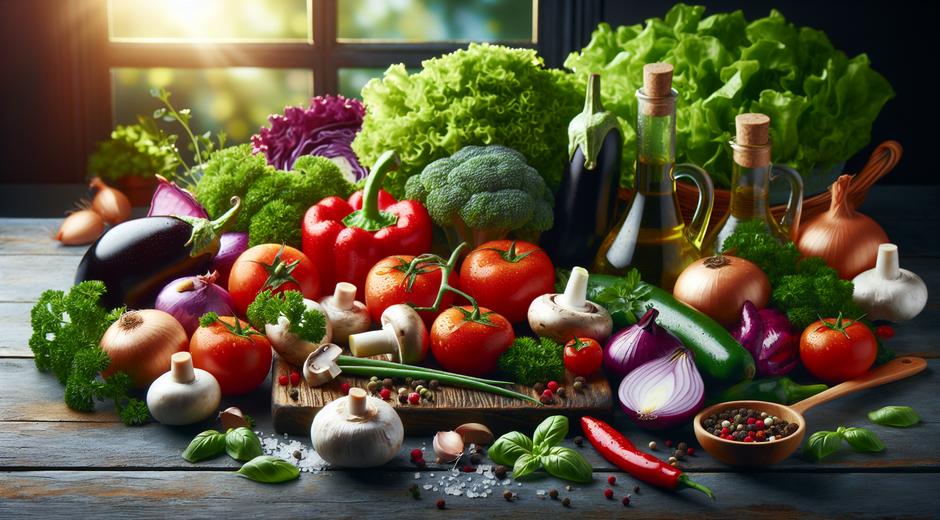
When you choose fresh ingredients you gain three immediate benefits better taste improved nutrition and more control over what goes into your food. Fresh fruits and vegetables contain higher levels of vitamins and antioxidants when they are recently harvested. Proteins from trusted sources taste cleaner and respond better to simple cooking. Herbs and citrus add lift without processed sauces. Fresh Ingredient Cooking celebrates each item offering a direct line from farm to plate that delights the senses and supports a healthier lifestyle.
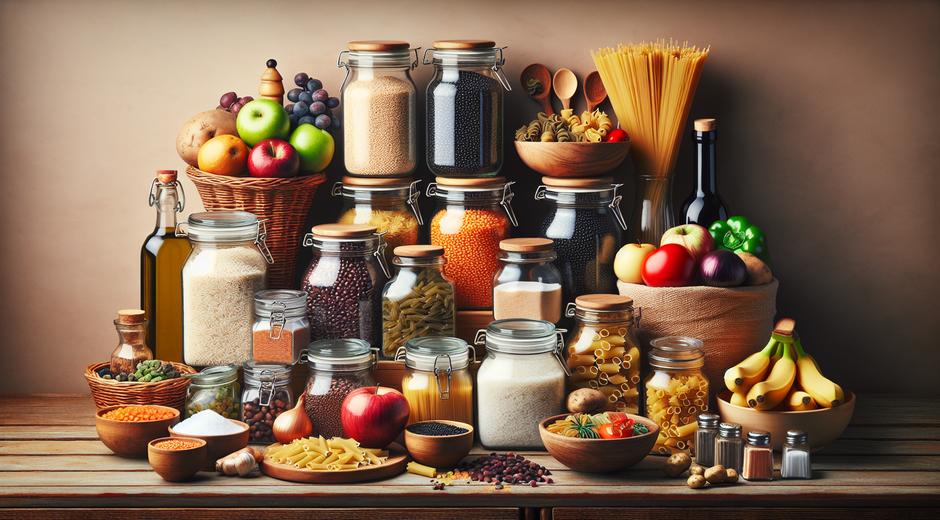
Beyond flavor and health there is an environmental benefit. Choosing seasonal local produce often reduces the distance food travels and supports local growers. This approach can also save money when you plan meals around what is abundant and on offer locally. With a focus on fresh ingredients the pantry becomes a toolkit rather than a crutch. Quality olive oil fresh garlic a handful of herbs and a squeeze of citrus will take you far.
How to Shop for Fresh Ingredients
Smart shopping is the first step toward success. Start with a simple plan decide what meals you want to prepare this week then list the star ingredients. Look for produce that is firm with vibrant color and a fresh aroma. For herbs check the stems and leaves they should not be wilted. For fish choose clear eyes and firm flesh. For meat seek a fresh smell and a firm texture. Learn to read labels especially when buying packaged items and aim for short ingredient lists and minimal additives.
Visit farmers markets and small scale vendors when you can. These places often provide the freshest seasonal choices and the people selling the goods can share tips on ripeness and storage. Buying from local sources helps you discover varieties you might not find in large supermarkets. If you run a food enterprise or want to explore business resources in the culinary world a valuable community resource is BusinessForumHub.com where entrepreneurs share ideas tools and contacts.
How to Store Fresh Ingredients for Maximum Longevity
Proper storage extends the life and flavor of fresh items. Many vegetables last longer when slightly cool and away from ethylene producing fruits. Tomatoes keep best at room temperature out of direct light until ripe then move to the fridge if you need to hold them. Leafy greens do well when washed dried and kept in a loose breathable container or wrapped in a cloth. Store herbs like fresh cut flowers with the stems in water in the fridge or on the counter depending on the variety. Keep garlic and onions in a cool dry dark place not in the fridge.
Proteins deserve special attention. Use fresh fish and shellfish within a day or two and keep them cold on ice or in the back of the fridge. For meats refrigerate raw cuts promptly and use within recommended times or freeze for longer storage. Label prepared items with dates so you use the oldest items first. Small habits like these prevent waste save money and keep the flavor profile of your dishes true to the original ingredients.
Techniques to Maximize Fresh Flavor
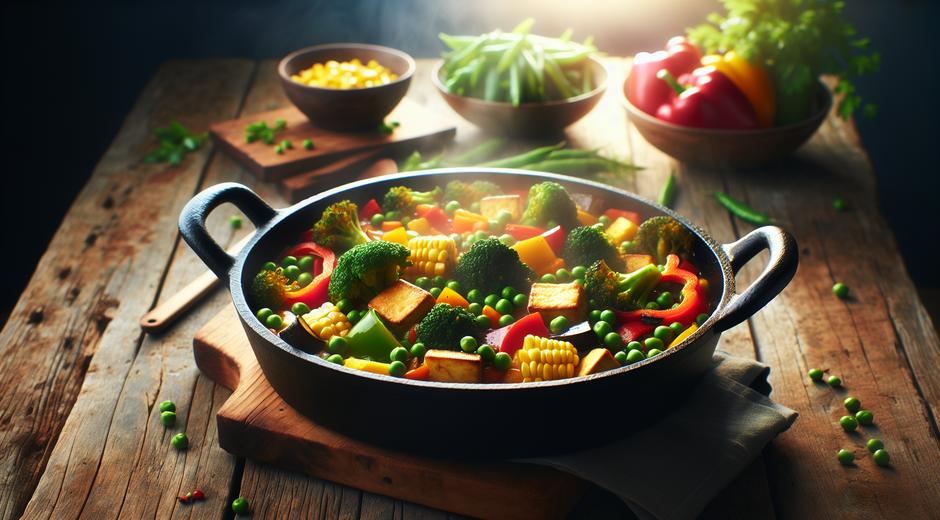
Fresh Ingredient Cooking favors techniques that highlight natural tastes. A few core methods will cover most needs. Roasting concentrates sweetness in vegetables and adds a satisfying crispness to edges. Quick searing locks in juices on meats and creates a savory crust. Sautéing with a small amount of oil and finishing with acid and herbs brightens flavors. Steaming preserves texture and nutrients especially for delicate greens and fish. For many vegetables a brief blanch then an ice bath keeps color and snap.
Seasoning is key and timing matters. Salt early on hearty items like roots and proteins so they develop depth or add salt at the end for delicate greens and salads. Acid from lemon juice vinegar or a splash of wine lifts flavors and balances richness. Fresh herbs used at the end of cooking keep their fragrance intact while heartier herbs can be added earlier. Taste as you go and adjust one element at a time to learn how each change alters the dish.
Simple Fresh Ingredient Recipes and Meal Ideas
Here are a few approachable ideas that use simple techniques and everyday fresh ingredients.
Tomato basil salad: Slice ripe tomatoes and arrange on a plate scatter torn basil leaves drizzle with extra virgin olive oil and a touch of good vinegar then finish with flaky salt and cracked pepper. This recipe is all about the quality of each ingredient so choose the best tomatoes you can find.
Lemon garlic shrimp: Sauté peeled shrimp in olive oil with sliced garlic until just opaque then add lemon juice and chopped parsley. Serve with crusty bread or cooked grains to soak up the pan juices.
Seasonal vegetable roast: Chop a mix of carrots squash potatoes and onions toss with olive oil salt and a few sprigs of rosemary then roast until edges caramelize. Use high oven heat to encourage browning which deepens flavor.
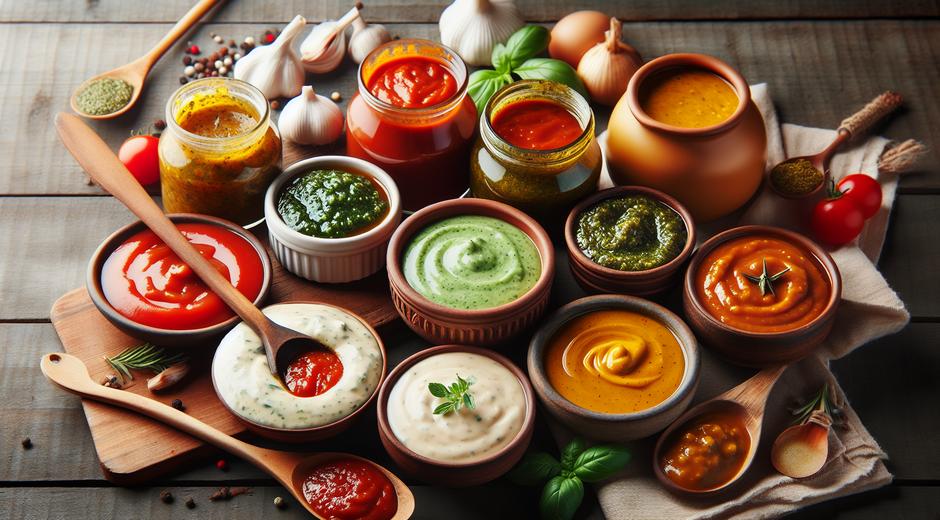
Herb vinaigrette: Whisk together olive oil vinegar Dijon mustard minced shallot and chopped herbs. This dressing elevates simple greens roasted vegetables and even grilled proteins. Keep a jar in the fridge for quick meals.
Meal Planning and Prep with Fresh Ingredients
Plan for success by combining short term prep with flexible meals. Chop sturdy vegetables and store them in airtight containers. Make a basic grain or roast a chicken to form the backbone of several meals. Prepare a simple sauce or vinaigrette to pull elements together. Batch cooking does not mean losing freshness you can cook components separately and assemble at serving time so everything tastes bright.
Think in layers proteins vegetables and finishing elements. A roasted vegetable bowl with a grain and a spoon of fresh herb sauce is a quick balanced meal. Leftovers become new dishes with a simple reheat and a fresh topping like chopped herbs citrus zest or a sprinkle of toasted seeds. This approach reduces stress on busy nights while keeping meals interesting and nutritious.
Sustainability and Reducing Waste
Fresh Ingredient Cooking pairs easily with sustainable habits. Plan meals around what is in season and buy amounts you can use when fresh. Use stems leaves and peels when possible herb stems add flavor to stocks peels make citrus zest and vegetable scraps can become flavorful broth. Compost food waste when you can and store items properly to reduce spoilage. Small changes add up and help create a cooking routine that is gentle on the planet and kind to your wallet.
Final Tips to Embrace Fresh Ingredient Cooking
Start small focus on one meal a day or one technique at a time. Build a reliable pantry of a few oils vinegars spices and condiments that support fresh flavors. Practice basic knife skills and learn to taste with intention. Fresh Ingredient Cooking is not about perfection it is about attention to ingredients and simple techniques that let those ingredients speak. Over time you will notice brighter meals less waste and a deeper enjoyment of what you cook.
Whether you are cooking for family friends or yourself the art of Fresh Ingredient Cooking makes everyday food feel thoughtful. Explore recipes practice the techniques and make local seasonal choices when possible. For ongoing ideas and inspiration return to tasteflavorbook.com and expand your toolbox one fresh ingredient at a time.