

Balanced Home Cooking: A Practical Guide for Nourishing Meals
Balanced Home Cooking is more than a phrase. It is a plan for how we shop, how we plan meals and how we use time to feed ourselves and those we love. When you adopt practices that support balance you reduce waste improve nutrition and create a calm rhythm around food. This guide covers simple strategies recipes and planning tips that help busy households eat well without stress.
Why Balanced Home Cooking Matters
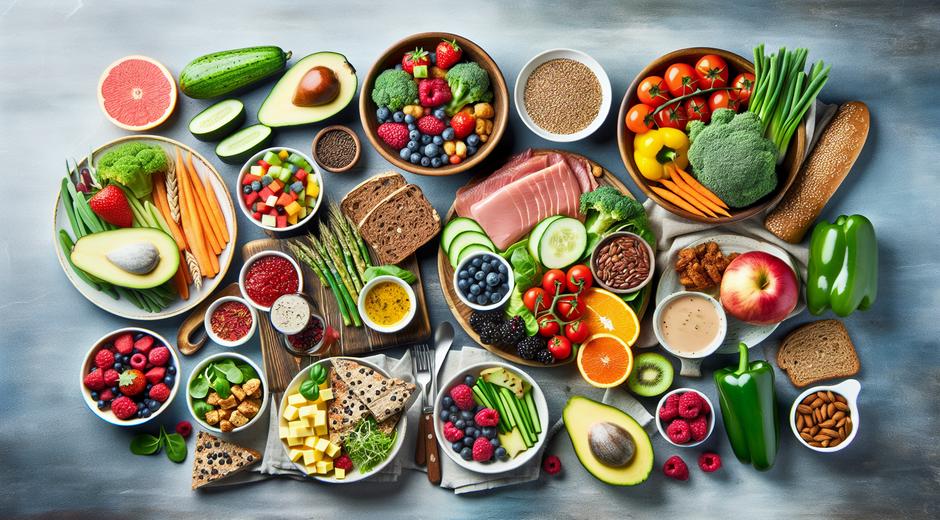
Good home cooking supports physical health mental clarity and emotional wellbeing. Meals that include a variety of nutrients help maintain steady energy levels and support long term health goals. Balanced Home Cooking emphasizes whole ingredients mindful portions and variety so that each meal contributes to overall nutrition rather than relying on one food group alone.
Core Principles of Balanced Home Cooking
There are a few core principles that make Balanced Home Cooking effective and sustainable. First plan meals around real food. That means vegetables fruits whole grains lean proteins and healthy fats. Second aim for variety. Rotating vegetables grains and protein sources keeps meals interesting and helps you obtain a wider range of vitamins and minerals. Third control portions. Balanced meals provide enough energy without excess. Fourth prepare meals that fit your schedule. Batch cooking and simple methods help you eat well on busy days.
Meal Building Blocks
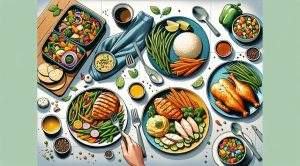
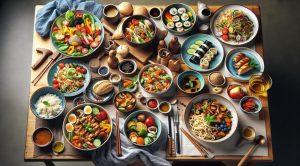
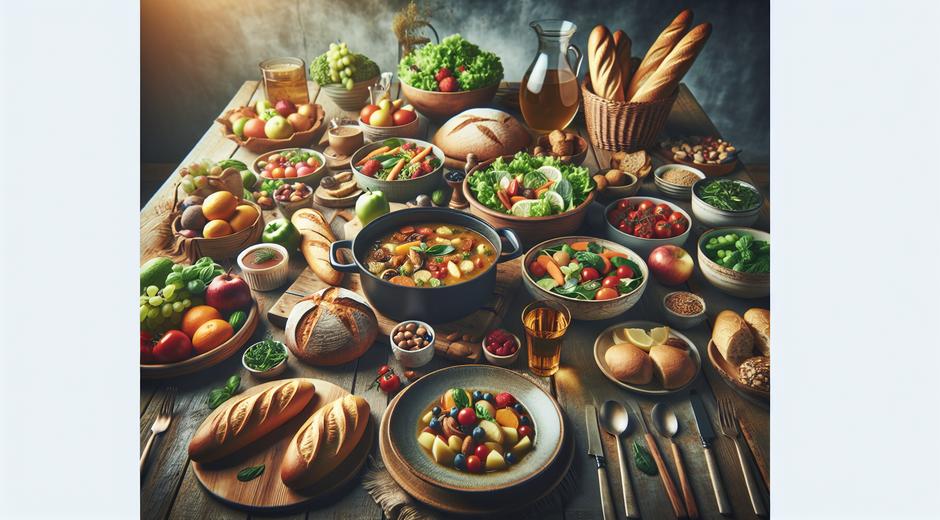
Think of a meal as a combination of building blocks. Start with a base of vegetables or salad. Add a serving of whole grain or starchy vegetable for energy. Include a lean protein for repair and satiety. Finish with a small portion of healthy fat for flavor and absorption of fat soluble nutrients. For many families a model meal might be a grain bowl with roasted vegetables grilled protein and a drizzle of olive oil or a soup with beans whole grain bread and a side salad. This way of thinking makes it easier to assemble meals that follow the Balanced Home Cooking approach.
Planning Strategies for Busy Households
Meal planning is a key habit for Balanced Home Cooking. Spend a small amount of time once a week planning what you will eat then use that plan to create a focused shopping list. Planning reduces impulse purchases and ensures you have the ingredients you need for balanced meals. Batch cook staples like grains roasted vegetables and cooked legumes that can be mixed and matched across several meals. Keep a small set of quick recipes you can rely on when time is tight. Over time a little planning creates more freedom at meal time.
Smart Shopping Guidelines
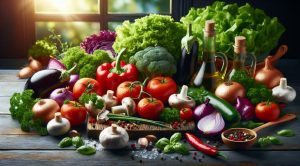
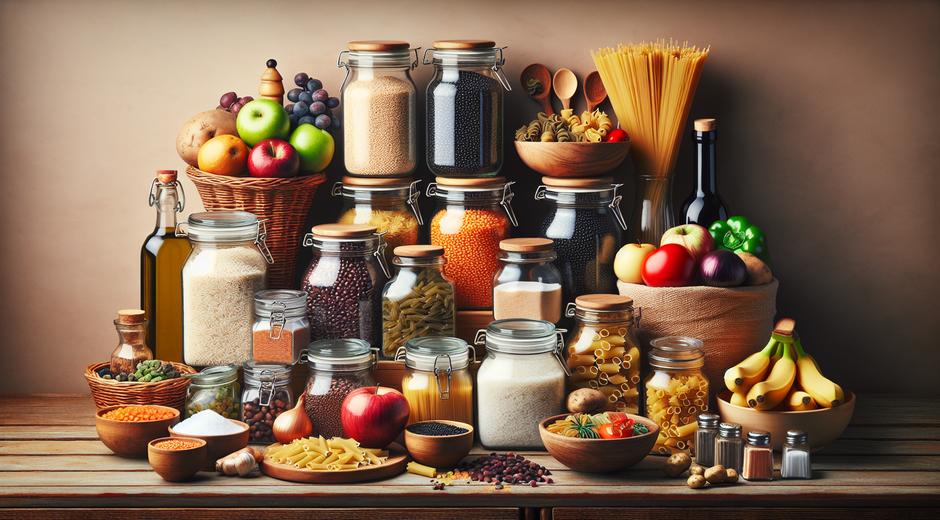
Smart shopping supports Balanced Home Cooking. Shop with a list and stick to it. Choose fresh produce in season and frozen vegetables when fresh is not available. Frozen vegetables are nutrient rich and easy to use. Select whole grain products that list whole grain as the first ingredient. For proteins vary between plant based sources and animal based sources to broaden nutrient intake. Buying in bulk for staples like rice beans and oats can save money and ensure you always have good options on hand.
Simple Cooking Techniques that Preserve Nutrients
How you cook affects the taste and nutrient retention of food. Gentle methods like steaming poaching and roasting preserve nutrients and flavor. Stir frying with a small amount of oil over medium heat keeps vegetables crisp and colorful. Slow cooking brings out flavor in legumes and lean cuts of meat with minimal added fat. Keeping cooking times reasonable helps preserve vitamins. Balanced Home Cooking favors techniques that are adaptable to many ingredients so you can prepare meals quickly without sacrificing nutrition.
Flavor Tips without Excess Salt or Sugar
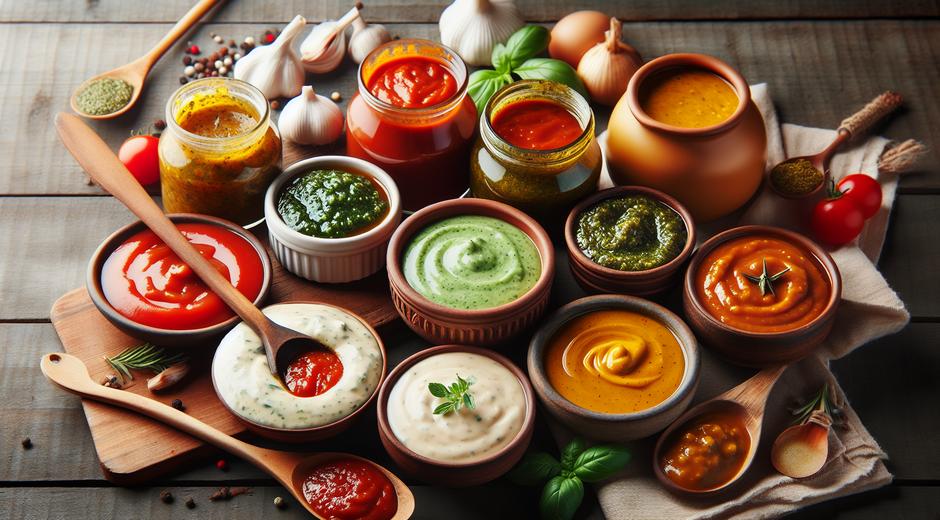
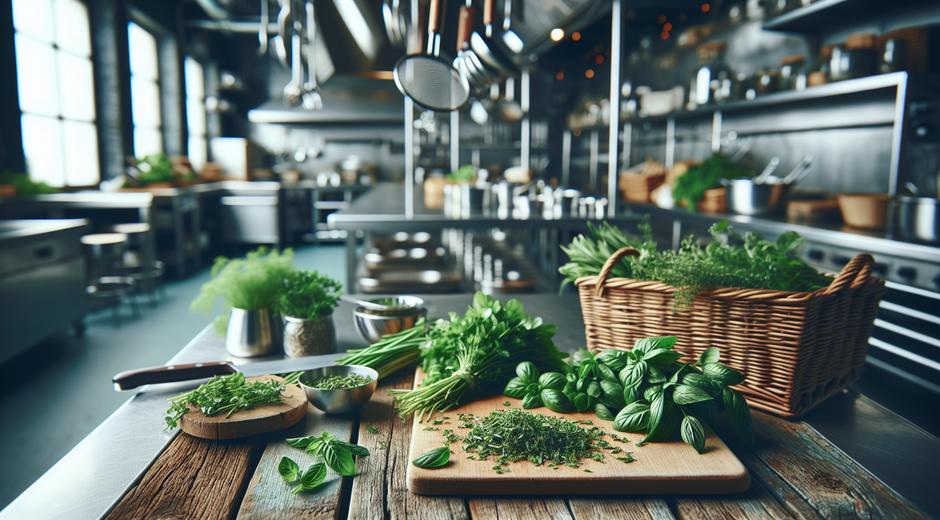
Flavor is essential to enjoyment and to the sustainability of new habits. You can boost flavor without adding excess salt or sugar. Use fresh or dried herbs citrus zest garlic and spices to create depth. Vinegars and fermented condiments add bright notes. Toasting spices before use intensifies aroma. Simple sauces made with yogurt tahini or pureed vegetables can add creaminess and interest while keeping added sugars low. Flavorful cooking makes Balanced Home Cooking feel like a reward not a restriction.
Kid Friendly Ways to Encourage Balanced Eating
Children respond well to routines and to gentle exposure. Offer a variety of foods consistently and avoid pressure to finish plates. Let children help with simple tasks such as washing vegetables or assembling bowls. Make balanced elements fun by arranging colorful plates or offering small dips for vegetables. Family meals provide modeling. When children see adults enjoying a variety of foods they are more likely to accept those foods themselves. Balanced Home Cooking thrives when meals are shared and when the environment around food is calm and positive.
Budget Friendly Balanced Home Cooking
Eating well on a budget is achievable with planning and technique. Buy seasonal produce and choose less expensive cuts of meat that become delicious when braised or slow cooked. Incorporate more plant proteins such as beans lentils and peas which are nutrient dense and low cost. Make use of leftovers to create new meals such as soups bowls and wraps. Batch cooking reduces per meal cost and saves time. Small shifts in shopping and cooking habits often yield large savings while supporting Balanced Home Cooking goals.
Sustainability and Food Waste Reduction
Balanced Home Cooking can be aligned with environmental goals. Use the whole vegetable from stalk to leaf when appropriate. Save vegetable scraps to make stock. Plan meals that use perishable items first and freeze extras for later. Composting food scraps reduces waste further. These small practices reduce the environmental footprint of home cooking while increasing the creativity and resourcefulness of meal preparation.
Tools and Resources to Support Your Journey
There are many tools that make Balanced Home Cooking easier. Simple kitchen equipment such as a reliable pot a sheet pan and a good knife will cover most needs. If you want more guidance look for meal planners and recipe libraries that focus on balanced nutrition. For inspiration and seasonal ideas visit tasteflavorbook.com where you will find approachable recipes and planning tips. For a broader view of food trends and news consider resources that collect culinary research and market information such as Newspapersio.com. These tools complement your home practice by offering ideas and evidence based guidance.
Putting It All Together
Balanced Home Cooking is not about perfection. It is about consistent choices that support health enjoyment and practicality. Start with a plan add variety focus on whole foods and use simple techniques to preserve flavor and nutrients. Make small changes that fit your life and build on those wins over time. With these habits you can create a kitchen routine that nourishes body and spirit while fitting into your daily life.
Final Thoughts
Embracing Balanced Home Cooking transforms how you think about meals. It can lead to better health savings on groceries and more enjoyment from the food you make. Use planning simple tools and a focus on variety to make lasting change. Begin today with a single balanced meal and expand from there. Over weeks and months you will notice the benefits of steady energy improved mood and deeper satisfaction with your food routine.