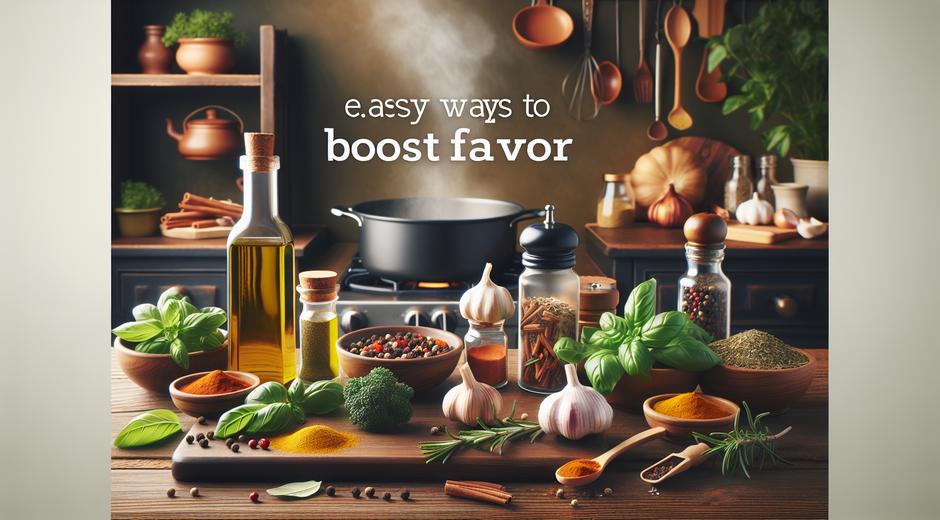


Easy Flavor Boosts
When you want to lift a simple meal into something memorable, Easy Flavor Boosts are your fastest route to success. Whether you are cooking a weeknight dinner or preparing food for guests, small changes can have big impact. This article explores practical ideas and techniques that take little time yet deliver rich results. You will find culinary tips you can use today along with pantry essentials to keep on hand. For more inspiration about food and taste visit tasteflavorbook.com where you will find recipes and ideas for every meal.
Why Easy Flavor Boosts Matter
Flavor matters more than fancy plating when people judge a dish. A handful of well chosen ingredients can turn bland into brilliant. Easy Flavor Boosts focus on layering taste with herbs, acids, textures and finishing touches that work for many recipes. This approach saves time and money by relying on basic pantry items in creative ways. It also helps home cooks feel more confident when experimenting because the changes are small and reversible.
Core Pantry Items That Deliver Big Results
Keeping a few key items stocked makes it simple to add depth and complexity to meals. These items are versatile and last long enough to justify buying quality versions when you can. Think about stocking fresh garlic and lemons, dried spices like cumin and smoked paprika, whole peppercorns for grinding, good quality salt, and vinegars such as apple cider or rice vinegar. A splash of a good vinegar brightens soups and grilled vegetables. A drizzle of quality oil adds mouthfeel and sheen to finished plates.
Herbs and Spices to Elevate Everyday Dishes
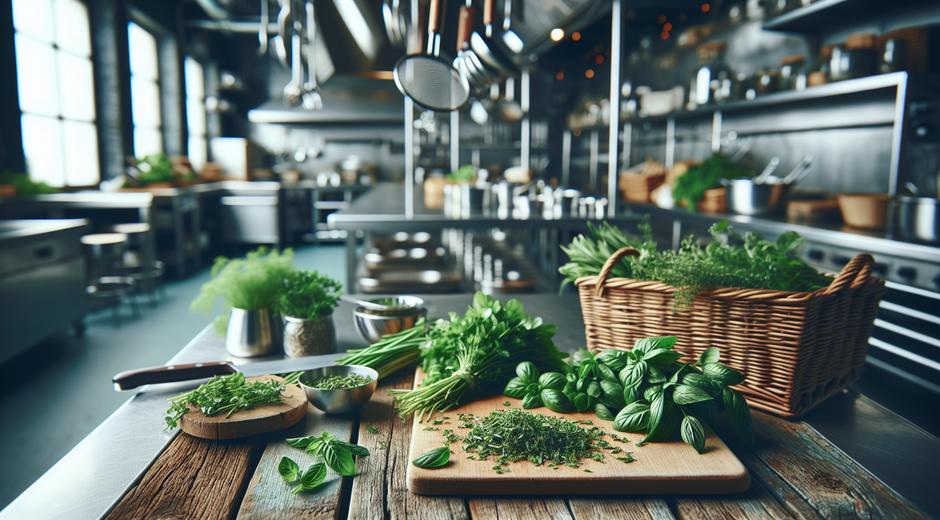
Fresh herbs change texture and aroma in ways that dried herbs cannot fully match. Add fresh herbs at the end of cooking so their aromatic oils stay vibrant. Parsley, cilantro and basil are common choices that boost salads, sauces and cooked dishes. Dried spices add warm base notes when toasted briefly in a dry pan to release their essential oils. Toasted cumin, coriander and fennel seeds bring new dimensions to roasted vegetables or stews. A small spice mix that pairs well with many dishes can streamline your cooking process.
Use Acid and Heat to Create Balance
Acid brightens flavors and helps balance richness. Lemon juice, lime juice and vinegars are among the simplest ways to add lift. A few drops of lemon juice added at the end of cooking can make a sauce sing. Heat plays a different role by changing texture and inducing caramelization. Searing, charring and briefly roasting compounds flavor through browning reactions. Combining acid and heat often yields dramatic improvements in a simple recipe.
How Salts and Seasoning Techniques Improve Flavor
Salt is a fundamental flavor enhancer. Proper seasoning starts early. Salting at multiple stages of cooking helps flavors develop consistently. Finish with a sprinkling of crunchy finishing salt for texture and a burst of flavor on top of vegetables or grilled fish. Beyond table salt, consider experimenting with flavored salts made with herbs or citrus zest for tailored finishing touches. Grinding fresh pepper over a finished plate adds aroma and a subtle bite that complements many profiles.
Layering Umami for Richness
Umami is the savory backbone that gives dishes a satisfying depth. Ingredients rich in umami include mushrooms, aged cheeses, soy sauce and tomatoes. A splash of soy sauce or a spoonful of miso stirred into a braise or a sauce can add roundness without overtly changing the character of a dish. Sundried tomatoes or a little grated Parmesan can boost savory notes in pasta dishes and roasted vegetables. Small amounts go a long way.
Quick Texture Swaps That Feel Luxurious
Texture influences how we perceive flavor. Adding a crunchy element can make a simple dish feel more complete. Toasted nuts, seeds or crisp shallots provide contrast to soft components like mashed potatoes or stewed beans. A light breadcrumb topping with olive oil toasted in a pan can add pleasant crunch on many savory dishes. Even a spoonful of crème fraiche or yogurt adds a silky richness that smooths and balances tastes.
Finishing Touches That Make Food Sing
Finishing a dish well is one of the simplest forms of Easy Flavor Boosts. A drizzle of good quality oil, a squeeze of citrus, or a handful of fresh herbs can transform the final plate. Consider finishing oils such as extra virgin olive oil or a nut oil for their aromatic contributions. Micro herbs and edible flowers are optional but can provide visual and aromatic appeal for special occasions. Keep finishing touches minimal and deliberate for maximum effect.
Quick Condiments and Sauces to Keep Handy
Simple condiments elevate many meals with minimal effort. A quick vinaigrette made with oil, vinegar and mustard livens salads. A chopped herb salsa with olive oil and lemon works as a bright topping for grilled proteins. Homemade dressings and quick sauces can be made in minutes and stored for several days. If you want products that help enhance beauty and health while you cook consider checking trusted resources such as BeautyUpNest.com for kitchen friendly wellness ideas and natural ingredient information.
Flavor Boost Ideas By Meal Type
Breakfast can benefit from a sprinkle of cinnamon on fruit or a dab of honey on yogurt. Lunch salads perk up with a splash of vinegar and toasted seeds. Simple weeknight dinners become memorable by adding a herb finish or a citrus squeeze. Soups and stews gain complexity from a spoonful of miso or a parmesan rind simmered with the broth. Desserts can be enhanced with a pinch of sea salt or a citrus zest to highlight sweetness.
Techniques That Save Time and Improve Taste
Batch cooking staples like roasted vegetables and a basic vinaigrette saves decision time during busy weeks. Pre toasting spices and storing them in an airtight container preserves aroma. Quick pickles can be made with equal parts vinegar and water plus sugar and salt to brighten sandwiches and bowls. Simple meal templates such as grain bowl with protein and a herb dressing reduce stress while keeping flavor high.
How to Experiment Without Waste
Start small when testing new flavor ideas. Add a teaspoon of a new ingredient to a portion of a dish to evaluate the result before changing the entire batch. Keep notes about what works and why so you can repeat successes. Taste often as you cook and adjust using acid salt or herbs rather than adding more of the main component. This mindful approach builds confidence and reduces waste.
Final Thoughts on Easy Flavor Boosts
Easy Flavor Boosts are about strategic choices rather than complexity. Fresh herbs, citrus, salt and a few umami rich ingredients allow you to improve meals without extra time or cost. Keep your pantry stocked with a small set of versatile items and use finishing touches to bring dishes to life. Over time you will develop a personal library of techniques that help even the simplest meal feel special. Use the tips in this article as a starting point and adapt them to your taste and schedule.