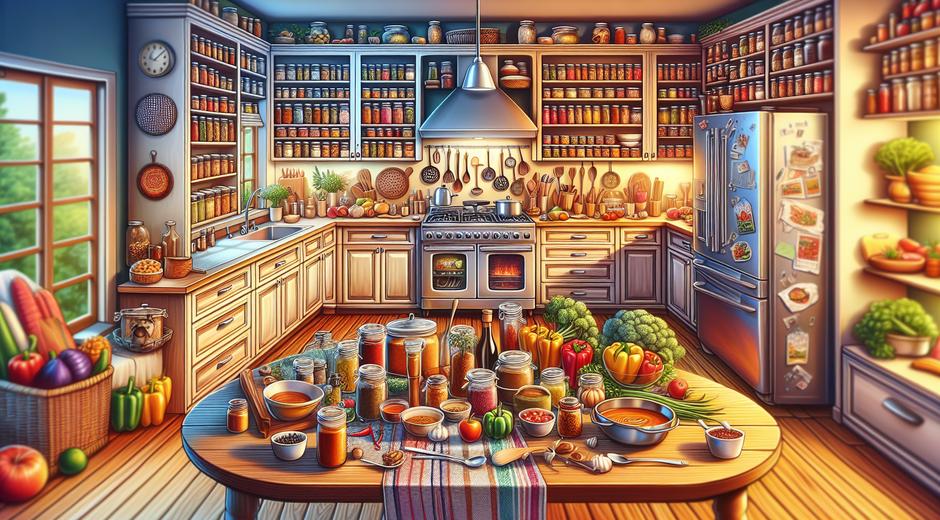


Home Kitchen Cooking: Mastering Flavor and Simplicity
Home Kitchen Cooking is more than a routine chore. It is an opportunity to create memorable meals, improve health, and develop a deeper appreciation for ingredients and technique. Whether you are new to preparing meals at home or you have years of practice, understanding the essentials of efficient setup, reliable methods, and smart planning will elevate your daily food experience. This guide explores practical tips, proven techniques, and resource suggestions that make Home Kitchen Cooking enjoyable and sustainable.
Why Home Kitchen Cooking Matters
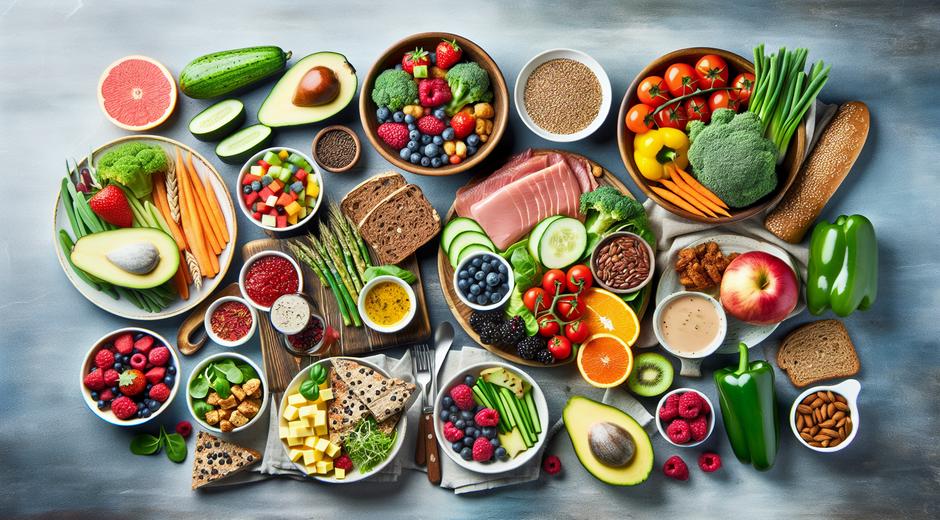
Cooking at home puts you in control of flavor, nutrition, and cost. When you prepare meals in your own space you can choose fresh produce, whole grains, and quality proteins while reducing processed components and hidden sugars. Home Kitchen Cooking also encourages creativity and helps you build skills that transfer to any cuisine. From quick weeknight dinners to celebratory feasts, the kitchen becomes a place of skill development and nourishment.
Set Up Your Space for Success
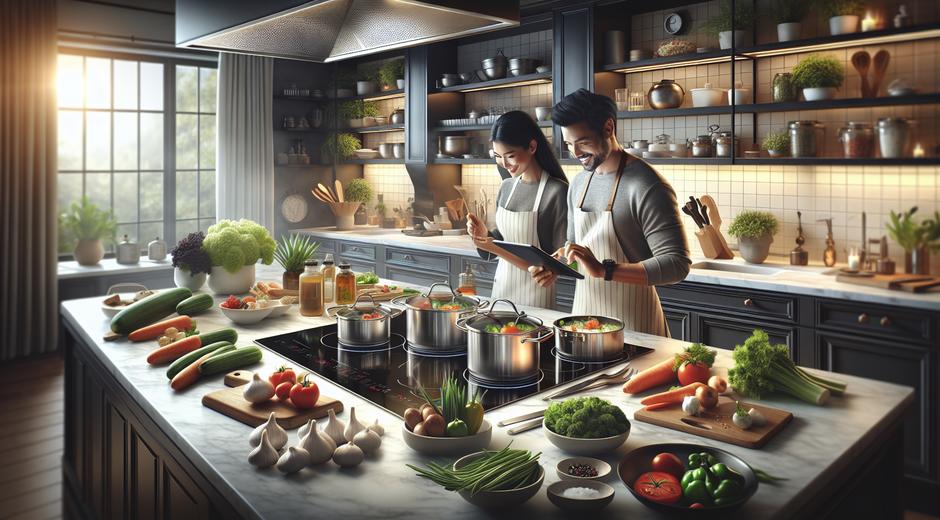
A functional kitchen layout and a few key tools transform how you cook. Start by organizing a clear workspace near the stove and sink. Keep knives, cutting boards, spatulas, and measuring cups within arm reach. Store frequently used oils, salts, and spices near the stove so you can season as you go. A simple organization routine saves time and helps maintain calm while producing better results.
Stock a modest set of pots and pans that can handle a variety of tasks. A medium saucepan, a large pot, a sturdy skillet, and a roasting pan cover most needs. Add a sheet pan and a baking dish for one pan meals and oven baked vegetables. Quality tools do not need to be expensive. Investing in a reliable chef knife and a few cookware pieces will have a greater impact on your cooking than a lot of specialty gadgets.
Pantry Essentials for Everyday Meals
Creating a well curated pantry supports improvisation and reduces last minute trips to the store. Keep a balance of long shelf life staples and fresh produce. Essentials include dried grains such as rice and pasta, canned tomatoes and beans, extra virgin olive oil, a neutral cooking oil, and a variety of salts and peppers. Dried herbs and spices like oregano, smoked paprika, cumin, and curry powder expand the flavor palette and allow you to shift from one cuisine to another with ease.
Fresh staples like onions, garlic, lemons, and a selection of seasonal vegetables will carry you through many recipes. For protein, consider canned fish, eggs, and legumes for economical and nutritious options. Proper rotation and labeling help prevent waste and keep your pantry efficient.
Techniques That Improve Every Dish
Mastering a few fundamental techniques will lift your Home Kitchen Cooking to the next level. Learn to sear proteins properly to build flavor through the Maillard reaction. Practice gentle simmering for soups and sauces rather than a rapid boil to develop depth without over reducing liquids. Understand how to roast vegetables at a higher temperature to create caramelization while maintaining a tender interior.
Knife skills are another essential area. Invest time in learning safe and efficient cutting techniques. Uniform cuts not only look better but they cook more evenly. Simple practices like a steady grip and consistent slice thickness will make meal prep faster and give dishes a professional finish.
Flavor Building and Seasoning
Seasoning is what separates bland food from vibrant, memorable plates. Taste as you cook and add seasoning incrementally. Salt enhances natural flavors and helps balance acidity and bitterness. Acids such as lemon juice or vinegar brighten dishes and can be used at the end of cooking to add lift. Aromatics like shallots, garlic, and fresh herbs added at different stages will layer flavors and create complexity.
Embrace the concept of contrast. Pair creamy textures with crunchy elements and mix bright acidic notes with richer sauces. A small finishing touch like a drizzle of quality oil or a scattering of herbs before serving can transform the eating experience.
Time Saving Meal Planning
Smart planning reduces stress and keeps Home Kitchen Cooking feasible even on busy days. Start the week with a simple plan for breakfasts lunches and dinners. Batch cooking staple items such as grains, roasted vegetables, or legumes allows you to assemble meals quickly. Prepare a versatile sauce or dressing that can be used in multiple dishes to streamline meal assembly.
Leftovers can be reimagined into new meals. Roasted chicken becomes a salad topping or a soup base. Cooked grains can be cooled and used in grain bowls or fried rice. Planning a few multi purpose elements saves time and minimizes waste.
Simple Recipes to Practice Skills
Begin with approachable recipes that reinforce technique and flavor building. Try a sheet pan dinner of roasted vegetables with a protein of choice. Make a tomato based pasta sauce from sautéed garlic and canned tomatoes simmered with herbs. Prepare a basic stir fry using high heat and quick cooking vegetables matched with a simple sauce to learn timing and texture control.
Practice makes progress. Repeating a few core recipes while varying ingredients helps you internalize method and improves speed without sacrificing taste.
Safety Cleaning and Maintenance
Safe practices keep the kitchen a pleasant place to work. Always follow proper food handling for proteins and wash hands and surfaces after contact. Use separate cutting boards when preparing raw meat and ready to eat produce to prevent cross contamination. Store leftovers promptly in airtight containers and reheat evenly before serving.
Keep cleaning simple by washing tools and pans as you cook when possible. A tidy workspace reduces the chance of accidents and makes the final cleanup much easier. Routine maintenance of cookware and knives extends their useful life and improves performance.
Resources and Continuing Inspiration
Learning never stops. Explore recipes, technique videos, and community tips to expand your Home Kitchen Cooking capabilities. For curated recipes and inspiration visit tasteflavorbook.com where you can find guides for everything from simple weeknight meals to special occasion dishes. Join forums and follow trusted culinary educators to pick up new ideas and troubleshooting tips.
When you need quality tools and timed devices to support your cooking practice consider reliable sources for kitchen equipment and timers. A well chosen timer and accurate thermometer improve consistency and confidence in cooking. For recommended gadgets and accessories consider exploring complementary resources at Chronostual.com to find items that match your cooking style.
Bringing It All Together
Home Kitchen Cooking is an approachable practice that rewards patience and curiosity. Focus on building a functional kitchen, stocking a practical pantry, refining a few techniques, and planning meals to reduce stress. Taste and adjust as you go. Over time your intuition will grow and you will rely less on recipes and more on flavor memory and method. The result is better tasting food, healthier choices, and a greater joy in everyday cooking.
Start small, stay consistent, and celebrate progress. The kitchen is a place where simple decisions lead to meaningful results. With the right mindset and a few reliable resources you will find Home Kitchen Cooking both empowering and deeply satisfying.