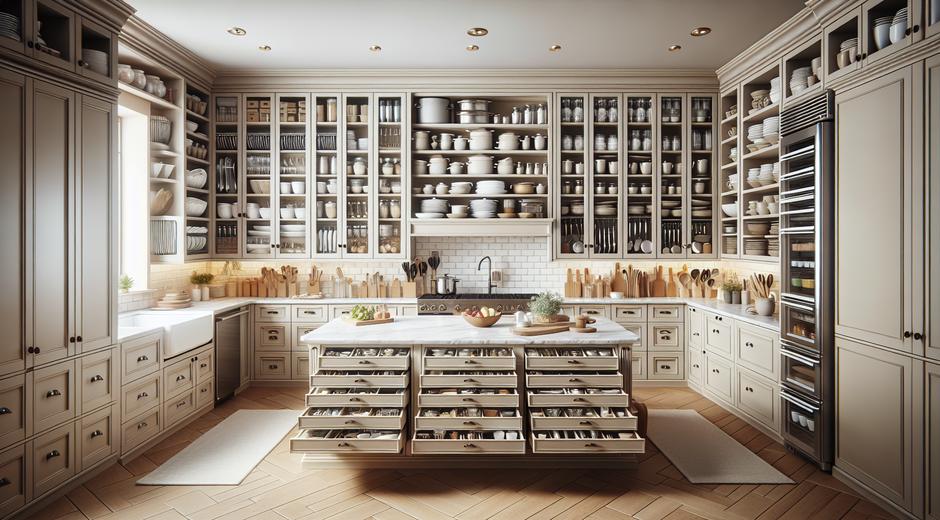


Cooking At Home
Cooking At Home is more than a daily task. It is a path to better health, stronger family ties, smarter spending and greater creativity in the kitchen. Whether you are new to preparing meals at home or you have cooked for years, this guide will show practical ways to turn Cooking At Home into a sustainable habit that improves life on many levels. You will learn how to plan meals, shop with purpose, cook efficiently, store food safely and enjoy the process from start to finish.
Why Cooking At Home Matters
There are many reasons to prioritize Cooking At Home. First, you control ingredients and portion sizes. That control makes it easier to reduce excess salt, sugar and unhealthy fats while increasing fruits vegetables whole grains and lean proteins. Second, preparing meals at home almost always costs less than eating out or ordering delivery. Third, cooking is an excellent skill that builds confidence and can be shared across generations. Finally, the act of making a meal can be calming and creative. To find recipes techniques and ideas that match your taste visit tasteflavorbook.com where a wide range of recipes is organized for easy use.
Getting Started with Simple Meal Planning
Start small. Pick three dishes you enjoy that share ingredients so you can shop once and use products across several meals. For example, roast a tray of vegetables that works as a side for dinner and as a base for lunch salads the next day. Plan proteins that cook quickly like eggs fish or chicken thighs alongside grains that can be batch cooked like rice or quinoa. A basic plan reduces decision fatigue and makes Cooking At Home feel manageable rather than overwhelming.
Meal planning also helps reduce food waste. When you list what will be consumed each day you avoid buying extra items that spoil before use. Keep a running list of pantry staples so you always have a base to build meals. Common staples include olive oil vinegar garlic onions canned tomatoes beans and a few dried herbs or spices. With staples on hand you can finish meals with fresh produce or proteins you find on sale.
Smart Shopping for Home Cooking
Saving money while upgrading your meals comes down to strategy at the grocery store. Shop the perimeter for fresh produce dairy and proteins and use the inner aisles for pantry items that store well. Buy seasonal produce for better flavor and lower cost. When you see a sale on items you use often consider buying in bulk while being mindful of storage space and shelf life.
Use a list and avoid impulse buys. A list keeps you focused on the ingredients needed for your weekly plan. If you are trying to cook healthier opt for whole foods and simple ingredient labels. Reading labels helps when you want to avoid added sugars or unfamiliar additives. When you shop with purpose you create a kitchen that supports consistent Cooking At Home.
Time Saving Techniques in Home Cooking
Busy schedules are the number one reason people choose not to cook. The solution is to adopt time saving techniques that let you cook more with less effort. Batch cooking is one key tactic. Prepare larger portions of soups stews grains or roasted vegetables and refrigerate or freeze portions for later use. Use one pot or sheet pan meals to minimize cleanup. Invest in a few multi use tools like a sharp chef knife a quality pan and a dependable pot to speed up prep and cook times.
Another effective approach is to prep ingredients in advance. Chop vegetables store them in airtight containers so you can assemble meals quickly during the week. Make simple sauces and dressings in jars so they are ready to toss on salads or bowls. The combination of planning and prep transforms Cooking At Home from a chore into a sustainable routine.
Healthy Home Cooking without Extra Cost
Many assume healthy meals require expensive ingredients or complex techniques. In truth, simple swaps deliver big results. Replace sugary beverages with water infused with citrus or herbs. Use beans and lentils as protein rich and budget friendly substitutes for meat in many recipes. Roast seasonal vegetables to intensify natural flavors without sauces that add calories. Small changes like cooking with less oil, choosing whole grains and adding more plant based foods can improve nutrition without inflating the grocery bill.
Home cooking also allows portion control so you avoid oversized restaurant servings. If you do crave a treat you can plan for it and make a version that is lighter yet satisfying. Over time these choices add up to better health and more consistent energy levels.
Cooking At Home as a Mindful Practice
Beyond nutrition and cost saving, Cooking At Home supports mental clarity and focus. The rhythm of chopping stirring and tasting can center attention and reduce stress. Many people find the kitchen a place to apply mindfulness techniques by paying close attention to sensory details aroma color texture and sound. If you want to develop focus and presence while you cook consider pairing simple breathing practices with the task of preparing a meal. For tools that support focus and daily routines check resources like FocusMindFlow.com which offer strategies to improve concentration and create consistent habits that enhance the joy of Cooking At Home.
Family Benefits and Social Value
Cooking At Home has social benefits that reach beyond the plate. Meals bring people together and create space for conversation and connection. Preparing food as a family teaches children practical skills and fosters appreciation for what it takes to feed a household. Even simple acts like setting the table or washing dishes can build responsibility and cooperation.
When friends gather a home cooked meal can be more meaningful than dining out. You control the pace of the evening and can tailor the menu to accommodate dietary needs. Hospitality is an expression of care and Cooking At Home is one of the most direct ways to show that care.
Practical Tips to Keep You Cooking at Home
Set realistic goals. Aim to cook at home a few times per week and increase as you gain confidence. Keep a folder or digital list of go to recipes that are quick and reliable. Try a new recipe once a week to keep things interesting and to expand your skill set. Use leftovers creatively by turning them into new meals like soups bowls or wraps.
Track your savings and health improvements. Seeing how much money you save each month and how your meals affect energy and mood can be a powerful motivator. Share successes with friends and create a community around Cooking At Home. That social support helps make the habit stick.
Final Thoughts
Cooking At Home is a versatile tool for better health smarter spending and richer relationships. With a little planning and a few key techniques you can make home cooked meals a regular part of life. Start with simple recipes focus on ingredients you enjoy and build a routine that fits your schedule. Remember that the process matters as much as the result. Enjoy the sensory experience of creating food and the rewards will follow. For recipe inspiration planning ideas and seasonal guides visit tasteflavorbook.com and for tools that help you maintain focus while building new habits see FocusMindFlow.com.