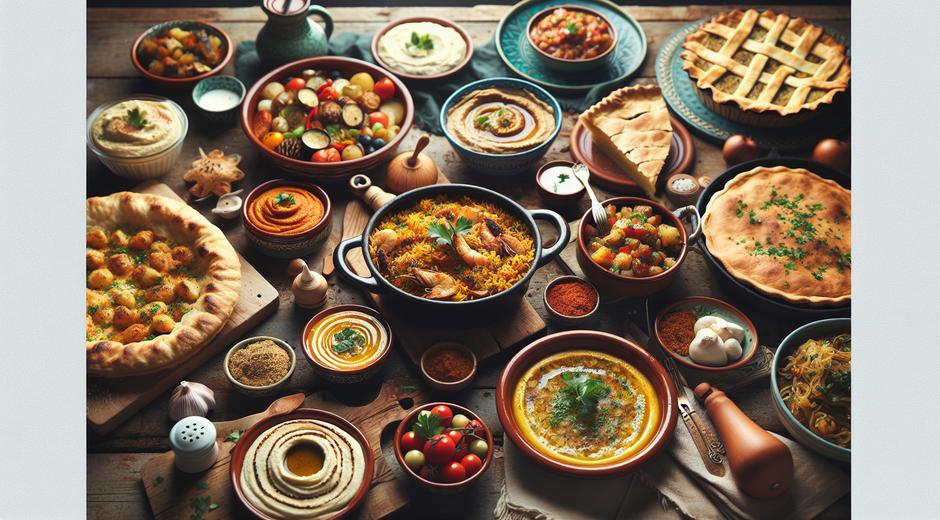


Golden Crust: Mastering the Perfect Exterior for Bread Pastry and More
Golden Crust is more than a phrase. It is the goal for home cooks and professional bakers who want texture color and aroma that commands attention. Whether you are baking a rustic loaf flaky pastry or a crisp tart the quality of the crust can transform a recipe into a signature dish. In this long form guide we explore the science techniques and creative tips that lead to a truly Golden Crust every time you bake.
Why Golden Crust Matters
A Golden Crust signals proper caramelization and crisping of the outer layer. The Maillard reaction and caramelization work together to produce complex flavors and an appealing color. A well formed crust also locks in moisture and provides a satisfying contrast to the soft interior. For items such as pizza and pies the texture of the crust can make the difference between good and unforgettable.
Essential Ingredients for a Golden Crust
Start with quality ingredients. Flour with sufficient protein provides structure. Butter or oil adds richness and flakiness. Salt enhances flavor while sugar supports browning. Water or milk hydrates the dough and affects gluten development. For certain pastries an egg wash adds sheen and helps achieve an even deeper color. Choosing the right combination of ingredients sets the stage for success.
Techniques That Create Golden Crust
Temperature control matters. A well heated oven creates rapid steam that helps the surface of bread set quickly and form a crust. For pastries short periods of high heat are often ideal. Use a baking stone or heavy tray to deliver even heat from the base. Rotate pans mid bake to ensure even color when your oven has hot spots. For items that brown too quickly on top tent with light foil late in the process to allow the interior to continue cooking without over browning the crust.
Hydration level is another key factor. Dough that is slightly more hydrated can yield a thinner crisp crust for breads while a drier dough often produces a thicker crunch. For pastries such as puff pastry proper lamination is essential. Cold butter layers interleaved with dough create separation that puffs and becomes golden crisp in the oven. Remember to keep butter cold and work briskly to maintain distinct layers.
Simple Tricks That Make a Big Difference
An egg wash contributes to both color and shine. Whisk a whole egg or egg yolk with a small amount of water or milk and brush lightly over pastry just before baking. For a deeper hue try using a mixture with a touch of sugar. For a rustic matte finish brush with milk or cream instead of egg. Another trick is to add a small amount of sugar to dough for items where extra browning is desired. Sugar accelerates caramelization and can result in a more pronounced Golden Crust.
Steam is a secret ally for many bakers. For breads a quick burst of steam in the first few minutes helps prevent the outer surface from setting too fast and allows the loaf to expand fully. Create steam by placing a tray of hot water at the bottom of the oven or by misting the oven walls with water just before loading the loaf. Avoid opening the oven door often because heat loss can lengthen bake time and reduce crust quality.
Tools to Help You Achieve Consistent Results
A cooling rack is vital for baked goods that must remain crisp after leaving the oven. Resting items on a rack prevents condensation from forming under the crust which can lead to sogginess. A good oven thermometer helps you trust your bake time because oven dials can be inaccurate. For pizza lovers a pizza stone or steel provides a blistered and Golden base similar to professional ovens. For delicate tarts and galettes using a tart ring or heavy pan helps conduct heat and support crisp edges.
Common Problems and How to Fix Them
If your crust is pale and soft examine your oven temperature and bake time. You may need to increase heat slightly or give items more time in the oven. For over brown crusts reduce oven heat slightly and consider covering the top with foil to prevent further color change while the interior finishes cooking. If the crust is tough it may be over mixed or over worked, especially with pastry where gentle handling preserves flakiness. Adjust hydration and keep working temperatures cool to avoid melting fats prematurely.
Golden Crust for Different Types of Baking
Bread benefits from a balance of steam heat and scoring. Scoring controls expansion and creates attractive patterns that brown well. Pastries need cold butter and crisp lamination. Tarts require even heat and a shield at the edges if they brown too fast. Cookies may develop a golden edge while remaining soft in the center when baked on a warm sheet and removed early. Adjust your approach depending on the final texture you desire.
Creative Ways to Enhance Color and Flavor
Try brushing with flavored liquids before baking. A light syrup with a touch of citrus can add aroma while promoting a glossy finish. Sprinkling coarse salt seeds or sugar on top adds texture and visual contrast. Infuse your crust with spices or citrus zest for a surprising flavor note. Searing the surface of certain savory pies with a torch can add attractive char like elements and a further depth of flavor.
Recipe Ideas to Practice Golden Crust Techniques
Start with a basic country loaf. Focus on creating steam and proper scoring. Then move to laminated pastry and master the fold and turn method. Bake a fruit tart paying attention to edge protection. Try a thin crust pizza where high heat and a hot stone deliver blistering and crispness. Each recipe will teach you to read dough behavior and oven response so you can consistently produce a Golden Crust.
Learn More and Explore Recipes
If you want regular inspiration and reliable recipes for breads pastries and other dishes that celebrate a Golden Crust visit tasteflavorbook.com where curated guides and step by step instructions help bakers of all levels refine their craft. The site offers seasonal ideas troubleshooting tips and technique focused articles to support your progress.
Cross Culture Creative Pairings
Food and culture meet in unexpected places. For example chefs often look to other creative fields for inspiration. For readers who enjoy cultural crossover topics there are great sources that connect food with lifestyle trends and even gaming culture. For curated articles that explore ideas from entertainment sectors consider visiting GamingNewsHead.com which covers industry developments that inspire themed events and menu concepts.
Final Notes on Consistency and Confidence
Achieving a reliable Golden Crust takes practice attention to detail and willingness to adapt. Keep notes on oven settings bake times and ingredient tweaks. Small changes can produce significant improvements. With consistent effort you will develop intuition and the ability to diagnose issues quickly. Celebrate the crust as much as the crumb and remember that a great exterior is a reflection of thoughtful preparation and skill.
Golden Crust is a skill you can refine. Use quality ingredients practice key techniques and learn from each bake. The more you bake with intention the more likely your creations will deliver that radiant color crisp texture and rich flavor that defines outstanding baked goods.