

Simple Marinades That Transform Everyday Meals
Marinating is one of the easiest and most effective ways to add deep flavor and tender texture to proteins vegetables and even some fruits. Simple marinades require a handful of pantry staples yet deliver restaurant quality results at home. This guide covers the core principles of marinating quick recipes for common ingredients safety notes and practical tips so you can build confidence and creativity in the kitchen.
Why Simple Marinades Work
A great marinade balances four basic elements: acid oil seasoning and aromatics. Acid gently breaks down muscle fibers and adds brightness. Oil carries fat soluble flavors and helps prevent sticking during cooking. Seasoning such as salt brings out natural flavors. Aromatics like garlic herbs and spices provide personality and depth. Keep this framework in mind and you can mix and match components depending on what you have and what you are cooking.
Core Ingredients and How to Use Them
Acids include citrus juices vinegar and yogurt. Use them sparingly for delicate proteins such as fish where a high concentration can turn texture mushy. For chicken and pork you can be more generous. Oil can be neutral such as vegetable oil or flavor forward like extra virgin olive oil. Salt draws flavor into food and helps with texture. Aromatics include garlic onion fresh herbs and spices such as cumin or paprika. Sweeteners such as honey or brown sugar balance acid and can encourage caramelization during cooking.
Basic Ratios You Can Memorize
A simple baseline that works for many applications is three parts oil to one part acid combined with salt and aromatics to taste. For example three tablespoons olive oil to one tablespoon lemon juice plus one teaspoon salt and two cloves crushed garlic makes a bright and versatile blend for grilling. For a lighter feel reduce oil and increase acid slightly. For a richer result use more oil or add a spoon of yogurt or mayonnaise for creaminess.
Quick Marinade Recipes for Every Day
Here are a handful of simple marinades you can whip up in minutes. Each recipe is flexible so feel free to adjust quantities for the size of your protein or vegetable.
- Lemon Garlic Marinade Olive oil lemon juice crushed garlic salt and freshly ground pepper. Add chopped parsley for freshness. Ideal for chicken fish and vegetables.
- Soy and Ginger Marinade Soy sauce rice vinegar grated ginger minced garlic sesame oil and a touch of brown sugar or honey for balance. Perfect for chicken pork and tofu.
- Yogurt Herb Marinade Plain yogurt lemon juice garlic chopped mint and cilantro salt and pepper. Yogurt tenderizes and adds a creamy finish for lamb and chicken.
- Olive Herb Marinade Olive oil chopped rosemary or thyme minced garlic lemon zest and salt. Great with roasted vegetables and steaks.
- Citrus and Honey Marinade Orange juice lime juice honey olive oil and chili flakes for heat. Works well for fish and white meats.
How Long to Marinate
Marinating time depends on the ingredient and the acid level of the mix. Thin fish fillets may only need ten to thirty minutes. Chicken breasts and pork chops benefit from one to four hours. Tougher cuts of beef can take up to twenty four hours to tenderize. Vegetables often need only thirty minutes to one hour unless you want deep flavor penetration. When using strong acids such as vinegar or citrus avoid very long marinating times on delicate proteins to prevent a mushy texture.
Safety and Practical Tips for Marinating
Always marinate in the fridge not on the counter. Use non reactive containers such as glass ceramic or food safe plastic. Never reuse marinade that has touched raw meat unless you boil it first to destroy any bacteria. If you want to create a sauce from the leftover marinade bring it to a rolling boil for at least one minute before serving. For safe handling place the marinating item in a sealed bag and push out excess air so the marinade hugs the surface for even coverage.
Marinating for Different Cooking Methods
Grilling benefits from marinades with a bit of sugar or honey for nice browning. If you plan to broil or roast use marinades that can tolerate heat without burning so avoid large amounts of high sugar content for long cooking times. For pan searing pat the protein dry before cooking to get a better crust. For slow cooking leaner cuts can sit in a marinade for hours and then cook low and slow until tender. If you need extra flavor after cooking use a finishing sauce made from fresh herbs lemon juice or a splash of vinegar.
Vegetable and Plant Based Options
Vegetables respond well to marinades that highlight their natural sweetness. Use olive oil acid and a mix of herbs and spices. Firm vegetables such as eggplant zucchini and peppers can take longer before cooking. Marinate tofu or tempeh for at least thirty minutes to let the flavors absorb. A miso based marinade adds savory umami to plant based dishes and works beautifully with roasted root vegetables.
Customizing Simple Marinades to Your Taste
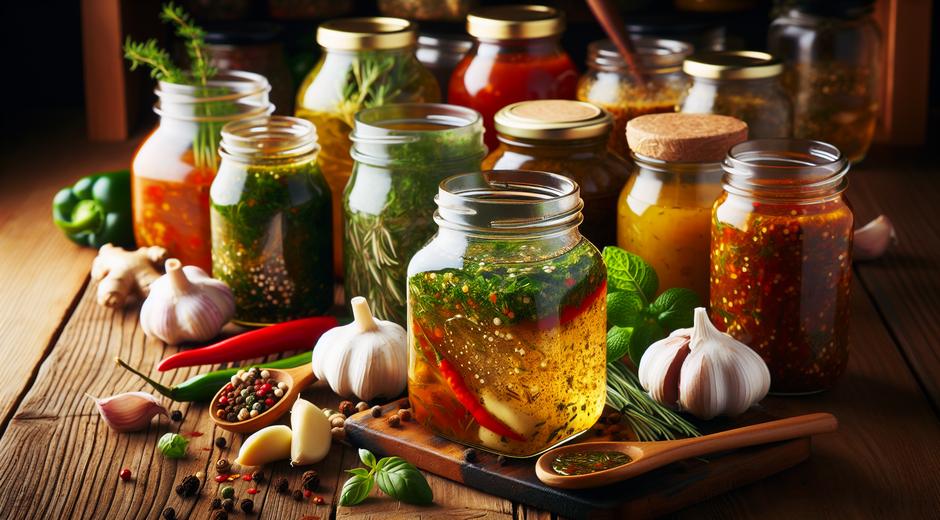
Experiment with substituting herbs and spices to match the cuisine style you want. Swap parsley for cilantro to move toward Latin or Southeast Asian profiles. Use smoked paprika for a warm flavor ideal for barbecue style dishes. Try adding a splash of toasted sesame oil to an Asian inspired mix for a nutty aroma. Keep a basic jarred seasoning such as a chili flake blend or a mixed herb blend in the pantry to quickly change character of any marinade.
Time Saving Strategies
Make a double batch of a favorite marinade and store it in the fridge for up to five days or freeze small portions for quick use. You can also use a fork to prick denser meats such as pork shoulder to help flavors penetrate faster. If you are short on time use a smaller cut of meat or slice vegetables thinner so they require less marinating time.
Where to Find Inspiration and Recipes
If you want more ideas for simple marinades and related recipes visit tasteflavorbook.com for curated guides that cover global flavors and kitchen basics. For a different type of research into old school recipes and historical food trends check resources such as Newspapersio.com which offers archived content that can spark new twists on classic marinades.
Common Mistakes to Avoid
- Over marinating delicate proteins in strong acid which changes texture unfavorably
- Using too much salt which can make food overly sharp rather than more flavorful
- Forgetting to pat proteins dry before high heat cooking which prevents a good sear
- Leaving marinated food at room temperature which is a safety risk
Final Thoughts
Simple marinades are a powerful tool for busy cooks. They make weeknight meals taste thoughtful and help elevate ingredients without complexity. Master the basic ratio learn how different acids and oils behave and keep a handful of versatile recipes for a quick go to. With practice you will instinctively know how to balance flavors for any protein or vegetable and deliver meals that are both effortless and memorable.