

Seasonal Menus: Crafting Fresh Engaging Offerings Year Round
Seasonal Menus are a powerful way for restaurants caterers and food writers to refresh their offering connect with local producers and delight customers with ingredients at their peak. A well designed Seasonal Menus strategy boosts flavor quality improves cost control and supports sustainable sourcing while giving your brand a compelling story to tell. In this article we explain why Seasonal Menus matter how to design them and practical steps to launch menus that perform.
Why Seasonal Menus Matter for Flavor and Profit
When you align dishes with the natural harvest cycle you serve ingredients at their freshest and most flavorful state. Produce that is picked when ripe has higher sugar content brighter color and a better texture. That translates into dishes that need less manipulation and fewer add ons to shine. From a business view Seasonal Menus can lower food cost by taking advantage of abundant supply simplify inventory and improve supplier pricing. Customers also perceive seasonal plates as thoughtful and premium which supports higher check averages and repeat visits.
Understanding the Four Seasonal Palettes
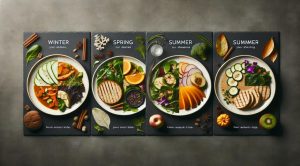
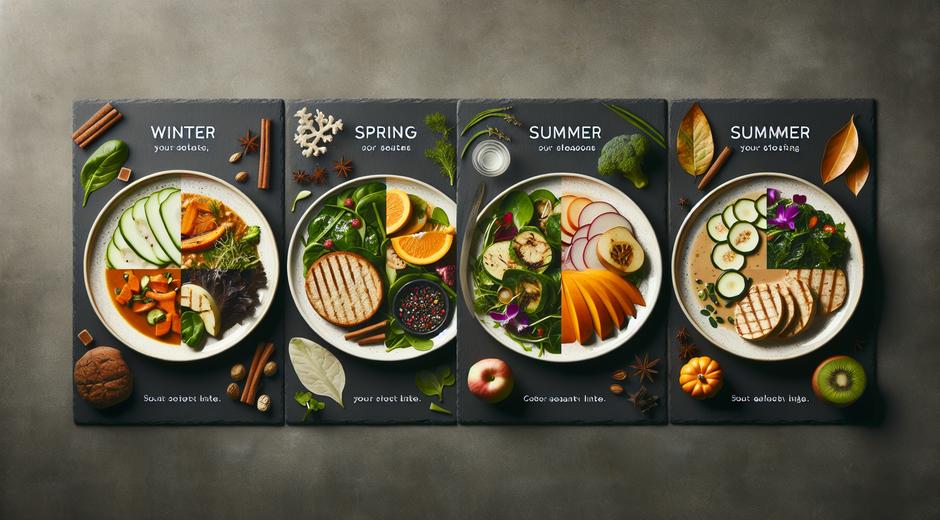
Seasonal Menus work best when you think in palates for each quarter. Each season brings flavor themes and ingredient opportunities.
Spring is renewal. Think tender greens asparagus peas ramps and light herbs. Designs focus on brightness acidity and freshness.
Summer is vibrant. Use ripe tomatoes stone fruit sweet corn and fresh basil. Heavier use of raw preparations grilling and chilled dishes helps capture sun kissed flavor.
Autumn is comforting. Squash root vegetables mushrooms and late season apples bring earthy and sweet notes. Richer sauces roasted techniques and warming spices fit well.
Winter is about heartiness. Citrus winter greens brassicas and cured proteins provide structure. Braises stews and preserved components show well.
How to Plan a Seasonal Menu That Sells
Start with a core set of dishes that represent your brand identity. Around those build rotating specials and a seasonal tasting option. Keep the plate structure familiar so staff can execute consistently while leaving room for creative seasonal swaps.
Work closely with your purveyors. Weekly conversations with growers and suppliers let you know what is coming into peak and what might be scarce. When planning a seasonal launch align ordering windows with harvest schedules to maximize availability and margin.
Price with margin in mind. Seasonal produce in peak supply can be less expensive. Use that to balance any pricier specialty items and to create promotions that drive volume during slower service periods.
Test on a small scale before full launch. Offer seasonal items as limited time features to gauge guest response refine plating and set labor requirements. Use feedback to adjust before making items permanent for a season.
Menu Engineering Tips for Seasonal Success
Optimize your plate count. Aim for a balanced spread of starters mains and desserts that highlight seasonal ingredients without creating kitchen chaos. Use cross utilization of ingredients to reduce waste. For example roasted beets can appear in a salad a side and a cold appetizer throughout the same season.
Keep preparation simple. Many seasonal ingredients need minimal treatment. Let the ingredient speak by choosing the right technique such as quick pickling gentle roasting or bright vinaigrettes.
Highlight provenance on the menu. Call out local farms or artisan producers to strengthen the seasonal story. Guests increasingly value traceability and local support. A short farm note can raise perceived value and boost order rates.
Marketing Seasonal Menus to Drive Traffic
Seasonal Menus give you natural content for marketing campaigns. Announce new offerings with photography that shows the ingredient in context and short stories that explain why the item is a must try. Use social media email and your website to create anticipation in the week leading up to the launch.
Leverage partnerships. Collaborate with farms artisan producers or beverage partners for cross promotions and events. A farm dinner or a chef market appearance can generate press and create memorable guest experiences.
Promote seasonality online and offline. Feature a seasonal landing page with high quality images and menu highlights for search engines and social sharing. For regular visitors rotate feature cards on tables and update signage to emphasize freshness and limited availability.
For recipe inspiration and seasonal content ideas visit tasteflavorbook.com where you will find guides and seasonal prep tips that help you build menus that delight guests.
Sourcing and Sustainability Considerations
Seasonal Menus naturally encourage local sourcing which reduces transport footprint and supports community economies. When you source in season think about crop rotation cycles and offer flexibility to suppliers. Committing to a supplier with rotating weekly orders can help them plan while giving you consistent quality.
Be mindful of storage. Seasonal abundance can create waste if not planned. Use preservation techniques like canning pickling fermenting and freezing to extend the life of surplus and turn it into unique menu items for off season periods.
Staff Training and Kitchen Operations
Seasonal Menus require staff to understand ingredient characteristics plating and common substitutions. Run tasting sessions before launch so front of house can describe dishes confidently and upsell pairings. In the kitchen create clear prep guides and batch recipes to maintain speed and consistency even when ingredients change.
Cross train line cooks on seasonal techniques. When everyone knows how to handle a new vegetable or a specific preservation method you reduce errors and shorten ticket times.
Measuring Performance and Iterating
Track sales metrics for every seasonal item. Monitor item count plate cost and contribution margin. Equally important gather qualitative feedback from staff and guests about flavor texture and portion size. Use this data to refine the menu mid season or to inform the next cycle.
Seasonal Menus are also a great laboratory for innovation. High performing seasonal features can graduate to a core menu item. Low performers might be improved by a tweak in technique portion or presentation.
Examples of Seasonal Menu Items to Inspire
Spring features might include a pea and mint crostini asparagus salad with lemon ricotta and a lamb herb crusted roast with early potatoes.
Summer dishes can showcase a blistered tomato bruschetta sweet corn and basil soup and grilled peach with burrata and honey.
Autumn plates may spotlight roasted squash with sage brown butter a mushroom ragout served over polenta and an apple tart with rosemary caramel.
Winter offerings might present citrus cured fish a braised beef shoulder with winter greens and a spiced citrus compote served with a warm cake.
Bringing It All Together
Seasonal Menus are a dynamic way to differentiate your food program attract customers and build a sustainable sourcing plan. Success hinges on planning supplier relationships clear menu engineering staff training and a smart marketing push. By leaning into seasonal flavor cycles you serve better tasting dishes reduce waste and create a rhythm that keeps guests returning for what is new and exceptional each season.
If you are looking to expand your seasonal content or need guidance on presentation and menu copy consider the resources and inspiration at TasteFlavorBook.com which features curated seasonal menus sourcing guides and promotional tips that help food professionals and enthusiasts thrive.