

Balanced meals A practical guide to nourishing plates
Creating balanced meals is one of the most effective ways to support long term health energy and enjoyment of food. A balanced meal combines the right range of nutrients in portions that match your needs and your lifestyle. Whether you are cooking for one or feeding a family, understanding the building blocks of a balanced meal helps you plan with confidence and reduces stress around food choices.
Why balanced meals matter
Balanced meals provide steady energy and support healthy weight management. They supply essential vitamins minerals protein and healthy fats that your body needs for daily function and recovery. When meals are balanced you are less likely to reach for quick sugar rich snacks between meals which can lead to spikes and drops in energy and mood. Better balance supports digestion immune function and cognitive clarity.
For inspiration and practical recipes that promote balance visit tasteflavorbook.com where you will find ideas that combine flavor with nutrition.
Core elements of a balanced meal
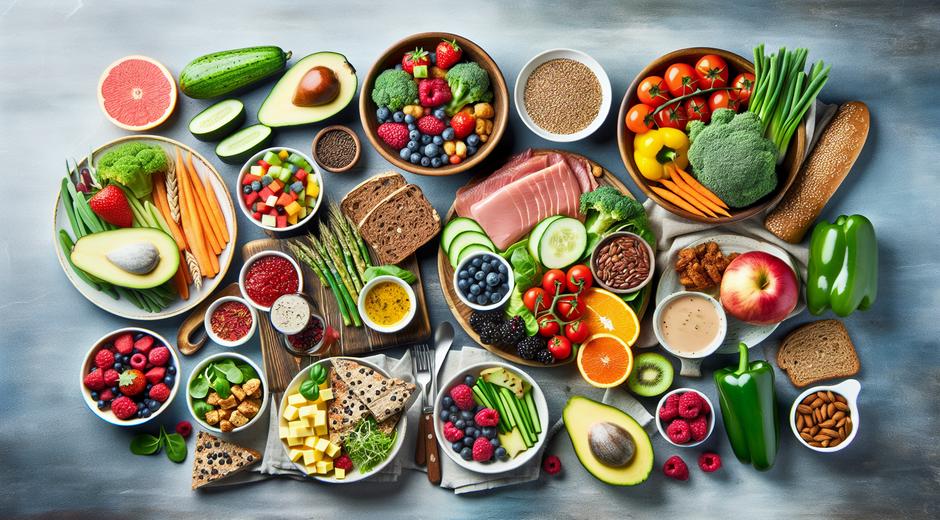
A balanced meal typically includes four main components. Each plays a unique role in nourishment and satisfaction.
1 Protein: Protein supports muscle repair immune health and a feeling of fullness. Include sources such as lean poultry fish eggs dairy legumes tofu tempeh and lean cuts of meat. Practical choices are grilled fish a bean salad or a yogurt bowl with seeds.
2 Complex carbohydrates: These provide steady energy and fiber which supports digestion. Choose whole grains such as brown rice quinoa oats and whole grain pasta along with starchy vegetables like sweet potato and winter squash.
3 Vegetables and fruits: These deliver vitamins minerals antioxidants and fiber. Aim to fill at least half your plate with a variety of colors to maximize nutrient intake and visual appeal.
4 Healthy fats: Healthy fats support brain health hormone balance and absorption of fat soluble vitamins. Good sources include olive oil avocado nuts seeds and fatty fish like salmon.
Portion guidance that is simple and flexible
Balanced meals do not require precise measuring for most people. Use plate based guidance to keep portions simple. Fill half the plate with non starchy vegetables one quarter with a quality protein source and one quarter with complex carbohydrates. Add a small serving of healthy fat or use it in cooking and dressings.
This approach is easy to adapt for snacks and breakfasts. For example a balanced breakfast could be a bowl of oats topped with fruit nuts and a spoonful of natural yogurt. A balanced snack might be apple slices with nut butter or hummus with carrot sticks.
Easy balanced meal ideas to try today
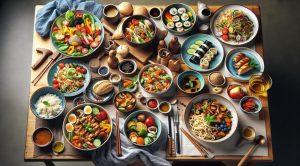
Here are practical combos that are quick to prepare and rich in nutrients.
• Mediterranean bowl A base of couscous or quinoa with grilled chicken or chickpeas roasted vegetables a handful of spinach and a drizzle of olive oil and lemon juice.
• Stir fry with brown rice Quick sauté of mixed vegetables tofu or shrimp in a ginger garlic sauce served over a portion of brown rice and topped with sesame seeds.
• Hearty salad Mixed greens topped with roasted sweet potato quinoa avocado grilled salmon or a hard boiled egg and a yogurt based dressing.
• Breakfast jar Overnight oats made with rolled oats milk or plant based milk chia seeds berries and a spoonful of nut butter for added protein and healthy fat.
Meal planning tips for busy lives
Planning helps ensure balance even on the busiest days. Start by choosing two or three proteins two or three grains and several vegetables to rotate through the week. Cook larger batches of grain and protein early in the week so meals come together in minutes. Use versatile seasonings and sauces to keep flavors interesting without adding complexity.
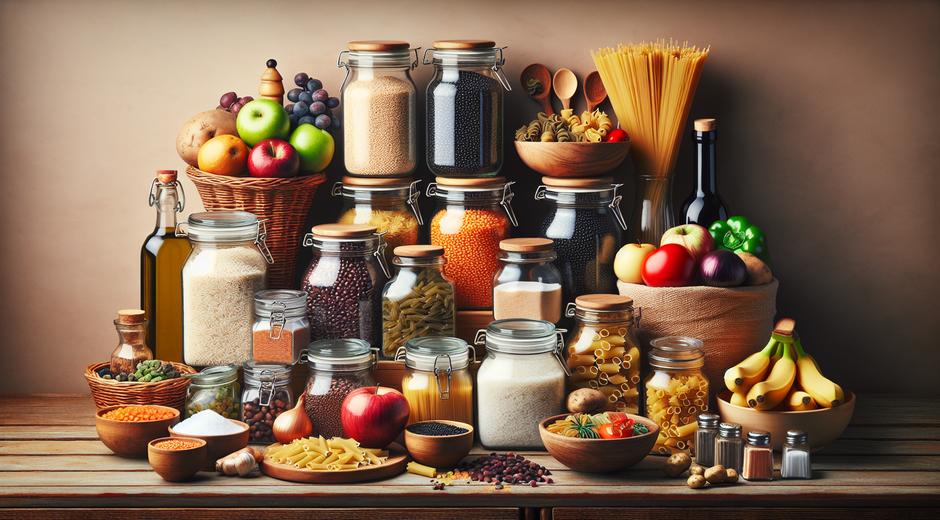
Batch prepare a versatile protein such as roasted chicken or a bean chili that can be used in wraps salads grain bowls and soups. Pre chop vegetables and store them in clear containers for quick access. When you keep staples on hand it is easier to assemble balanced meals without extra effort.
Adjusting balanced meals for goals and life stages
Balanced meals are flexible and can be tailored for specific goals such as weight loss athletic performance pregnancy or managing a health condition. The key is to change portion sizes and nutrient emphasis while keeping the same building blocks in place.
For increased energy needs focus on larger portions of complex carbohydrates and protein while keeping vegetables as a constant. For weight reduction keep vegetables as the largest portion with smaller servings of carbohydrate and a reliable protein source to preserve muscle mass.
Children require nutrient dense meals with adequate calcium and iron. Focus on small frequent balanced meals with snacks that combine protein and produce. Older adults may need easier to chew options and slightly higher protein to maintain muscle health.
How to make balance taste great
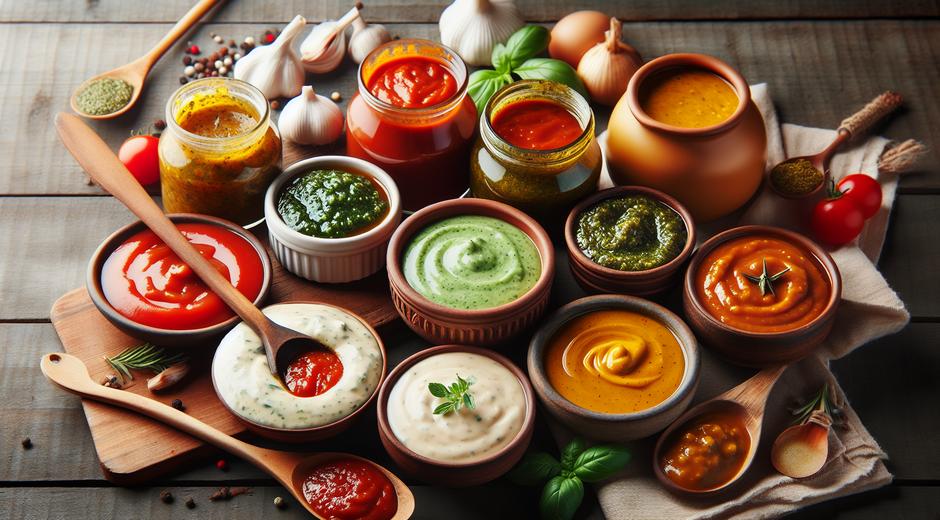
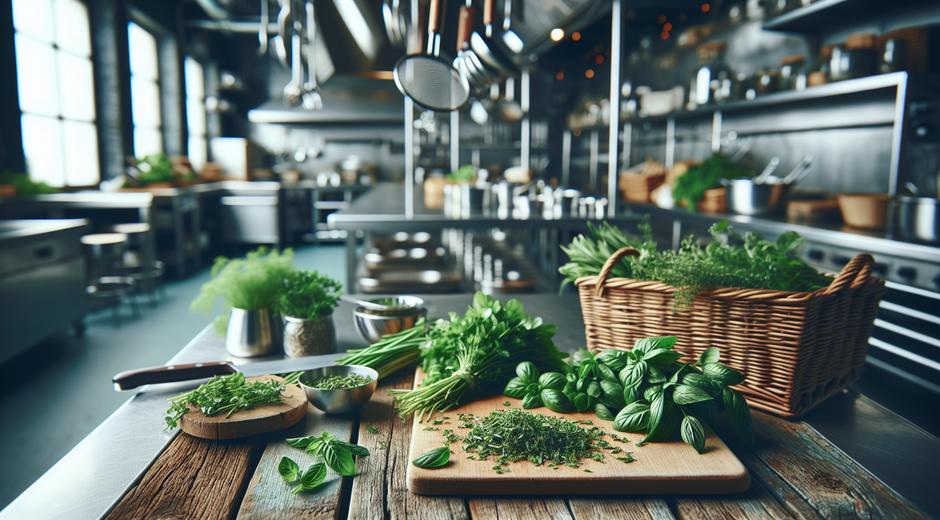
Flavor helps you stick with healthy choices long term. Use herbs spices citrus and contrasting textures to elevate simple ingredients. Roasting vegetables brings out natural sweetness while a squeeze of lemon or a sprinkle of fresh herbs brightens a dish. Toast nuts and seeds for crunch and add a small portion of a favorite sauce to make meals feel lively without undermining balance.
Common pitfalls and how to avoid them
Many people believe that balanced meals are time consuming or bland. The truth is that a few simple strategies make balance easy and delicious. Avoid relying on processed convenience foods which often lack fiber and micronutrients. Instead choose whole food options that you can combine in different ways.
Another common trap is skipping meals which can lead to overeating later. Regular balanced meals and snacks keep hunger steady and reduce cravings. If you find yourself tempted by fast food create an emergency balanced meal kit in the fridge with cooked grain ready proteins and chopped vegetables so you can assemble a plate in minutes.
Tracking progress and staying motivated
Set small measurable goals such as adding an extra vegetable serving each day or swapping refined grain for whole grain at one meal. Keep a simple food journal to notice patterns. When you feel better sleep better and enjoy meals more you will naturally be motivated to continue.
Sharing meals with family and friends also supports habit change. Invite others to try new recipes and learn from each other about what creates balance and satisfaction.
Resources and further reading
Learning more about balanced meals can help you explore new cuisines and adapt strategies for long term success. For business focused food resources and entrepreneurial insights that relate to food and dining consider visiting BusinessForumHub.com which offers guides and community support for food entrepreneurs and food related projects.
Conclusion Practical next steps
Balanced meals are a sustainable approach to eating that supports health enjoyment and energy. Start with the simple plate rule fill half with vegetables one quarter with protein and one quarter with whole grains then add a serving of healthy fat. Plan ahead use batch cooking and keep flavorful seasonings on hand to make balance easy and enjoyable. Over time these small changes add up to meaningful improvements in wellbeing and relationship with food.
Embrace balance as a flexible tool rather than a rigid rule and you will find it easier to create meals that nourish your body and delight your senses.