

Cooking confidence
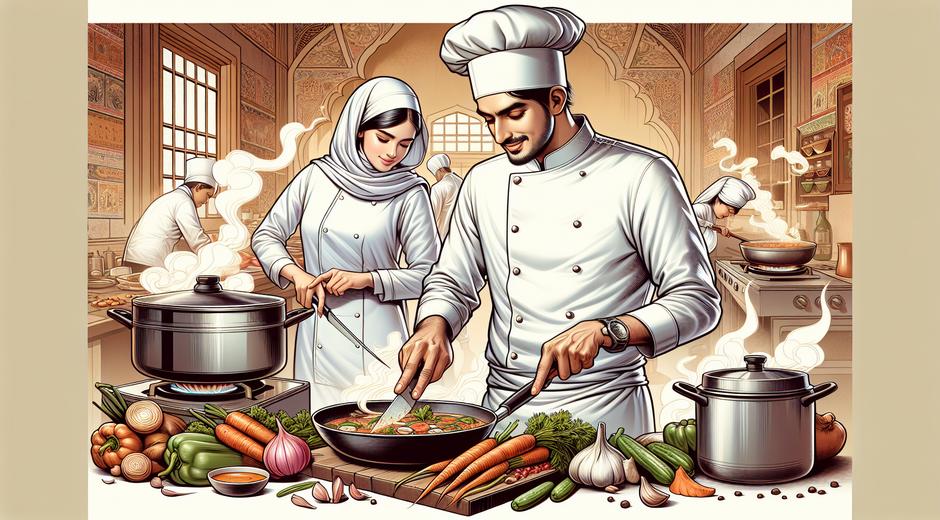
Cooking confidence is the quiet power that turns a pile of raw ingredients into a meal that delights the senses and nourishes the body. Whether you are a complete beginner or someone who has been in the kitchen for years but wants to feel more sure of choices and techniques, building cooking confidence changes how you approach food. This article explains practical ways to boost that inner certainty, simple mindset shifts that work, and reliable habits you can adopt today. For more recipe ideas and step guides visit tasteflavorbook.com to explore a wide range of dishes and methods that build skill with every try.
Why cooking confidence matters
Confidence in the kitchen helps you improvise when an ingredient is missing, adjust flavors when a dish tastes flat, and present a meal that feels intentional. It reduces stress around meal time and saves money by encouraging home cooking. People with strong cooking confidence are more likely to try new cuisines, welcome guests, and maintain healthier eating habits. That sense of ease also turns cooking into a creative outlet rather than a chore.
Core elements that create cooking confidence
There are a few core elements that consistently help people feel confident when they cook. First is basic knowledge of techniques like searing, simmering, roasting, and seasoning. Second is familiarity with a handful of reliable recipes that you can modify. Third is an organized space where tools and ingredients are easy to find. Finally, a willingness to learn from mistakes and view each attempt as practice rather than a final judgment will accelerate progress.
Five practical ways to build cooking confidence
1. Master foundational techniques. Focus on learning three to five methods such as sautéing vegetables, cooking rice, roasting proteins, and making a simple sauce. These techniques form the backbone of many dishes. Practice them until they feel routine and you will gain freedom to combine them in new ways.
2. Learn basic seasoning. Salt, acid, fat, and heat are often enough to create balance. Taste as you cook and add a little salt at multiple stages. Use a splash of lemon juice or vinegar to brighten a heavy dish. A final drizzle of quality oil or butter can add gloss and mouthfeel. These small adjustments make food sing.
3. Keep a small repertoire. Choose a handful of go to recipes you enjoy and prepare them until you can make them from memory. Once a core set feels comfortable you can start modifying them by adding seasonal produce, different herbs, or alternate proteins. A reliable repertoire reduces decision fatigue and builds trust in your ability to execute a meal.
4. Organize your workflow. Set the countertop with ingredients and tools before you begin. Pre chop vegetables and measure spices. When steps are clear and visible you will move faster and feel less anxious. This habit makes even complex recipes feel manageable because you can see the path forward.
5. Practice creative substitution. Learn which ingredients are interchangeable. Know that Greek yogurt can replace cream in many sauces, or that canned beans can replace dried beans for time saving. When you know which swaps work you can adapt recipes to what you have and still produce excellent results.
Kitchen tools that support confident cooking
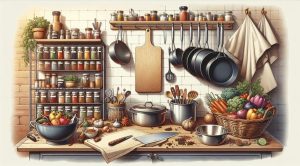
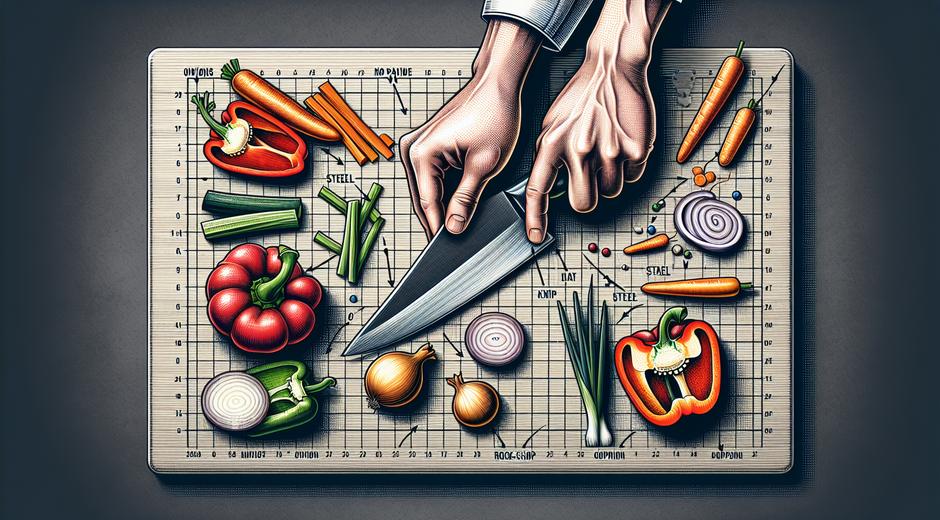
You do not need every gadget on the market to cook well. A few quality tools will offer the most return on investment. A sharp chef knife and a sturdy cutting board speed prep and make it safer. A heavy skillet and a medium sized saucepan allow you to handle most recipes. A reliable oven thermometer helps ensure your baking and roasting hit the right temperature. A basic set of measuring spoons and cups is essential for consistent outcomes. Investing in a few well chosen items reduces friction and makes practice more productive.
How to practice without pressure
Building cooking confidence is more about repetition than perfection. Set aside a weekly practice session that focuses on a single technique or recipe. Invite a friend to join for a low stakes kitchen session or cook for a small family meal where feedback will be gentle. Use failures as data points. If a sauce breaks or meat is overcooked, note the cause and try again with a small tweak. Over time you will see patterns and learn to prevent the same errors.
Simple recipes to build skills
Start with approachable recipes that teach transferable skills. Try a roast chicken to learn oven timing and resting. Make a classic tomato sauce to practice reducing and balancing acid with sugar or salt. Prepare a pan seared fish with a quick pan sauce to learn heat control and finishing. A well executed omelet teaches timing and gentle folding. Each recipe builds muscle memory that applies to many other dishes.
Mindset tips to sustain cooking confidence
Mindset is as important as technique. Replace the inner critic with a curious observer. Ask what you learned from a dish rather than what went wrong. Celebrate small wins such as achieving a nice crust or making a balanced salad dressing. Limit comparisons to others and focus on your own progress. Keep a simple cooking journal where you note times, temperatures, and tweaks. This record becomes a personalized resource that reinforces growth and reduces uncertainty.
Where to find reliable guidance and inspiration
Use trusted sources to learn methods and discover recipes that match your skill level. Video demonstrations can be especially useful because they show timing and motion. For high quality resources on tools and supplies that support confident cooking visit Fixolix.com to explore curated options and expert picks that simplify decision making. Pair these resources with practice and you will see steady improvement.
Measuring progress and staying motivated
Track progress with simple metrics. Note how often you cook at home, the variety of dishes you can prepare without a recipe, or how often you feel comfortable hosting a meal. Set small challenges such as learning one new technique each month or hosting a themed dinner that uses three new recipes. Reward yourself when milestones are reached to keep momentum. The sense of growth from small, consistent wins fuels continued improvement.
Final thoughts on cooking confidence
Cooking confidence develops through curiosity, repetition, and a willingness to learn from every meal. Focus on mastering a few core skills, build a small collection of reliable recipes, and cultivate an organized kitchen practice that reduces stress. Use trusted resources and tools to shorten the learning curve. With time you will find that cooking transforms from an obligation into a joyful act of creation. Embrace each attempt as progress and watch your confidence grow plate by plate.