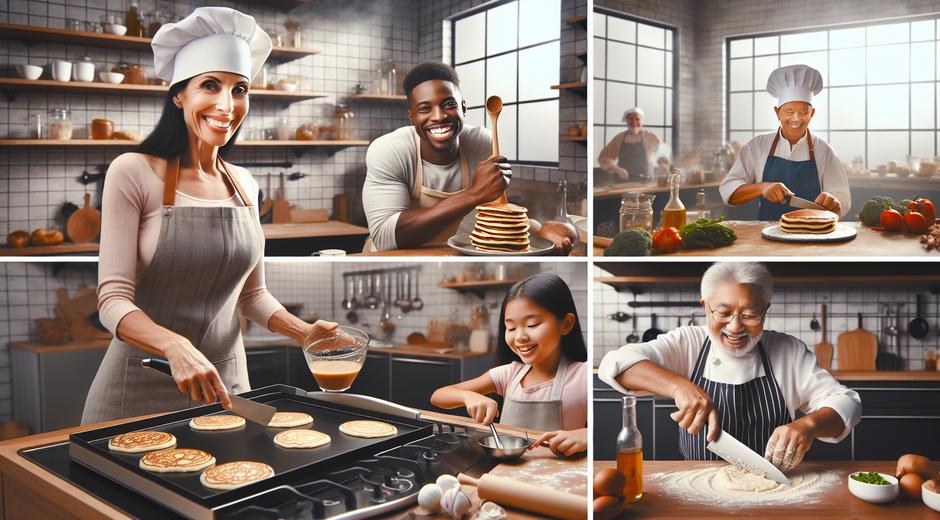


Cooking Confidence A Complete Guide to Mastering the Art of Home Cooking
Developing Cooking Confidence transforms how you approach meals and creates lasting joy in the kitchen. Whether you are a complete beginner or someone who cooks occasionally, building skills and trust in your abilities will make cooking faster easier and more enjoyable. This guide will walk you through practical steps mindset shifts and simple techniques to help you feel sure of yourself each time you step near the stove.
Why Cooking Confidence Matters
Cooking Confidence is more than feeling good about a single dish. It affects your daily choices your health and the way you share food with family and friends. People who have confidence in the kitchen are more likely to try new ingredients plan balanced meals and save money by preparing food at home. Confidence also reduces anxiety about entertaining and opens the door to creative expression through flavor and presentation.
Start with Fundamentals to Build a Strong Base
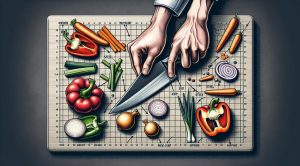
The fastest route to Cooking Confidence is to master a handful of fundamentals. Learn basic knife skills simple cooking methods and how to season food properly. Practice chopping onions slicing tomatoes and cutting herbs in a safe comfortable way. Learn how to pan sear roast bake and steam. When these core skills feel natural you will find it easier to adapt recipes and fix problems as they arise.
Choose Reliable Recipes and Make Them Your Own
At first follow recipes closely to understand timing proportion and method. After you make the same recipe a few times you can begin to adjust flavors swap ingredients and shorten or extend cooking time based on what you learn. This process of small controlled changes is a key part of building Cooking Confidence. Keep a simple notebook or a digital note where you record what worked and what you would do differently next time.
Essential Tools That Boost Confidence
You do not need a lot of gear to cook well but a few reliable tools make a big difference. A sharp chef knife a cutting board a sturdy pan and an oven safe dish are good starting points. A thermometer helps you avoid undercooking or overcooking meats and large roasts. Investing in a few items that last will reduce frustration and make you feel more prepared for new recipes.
Meal Planning and Prep That Reduce Stress
Simple meal planning builds momentum. Decide a few meals for the week and prepare components in advance. Chop vegetables wash and store them cook a grain ahead of time and portion proteins so that assembly on busy days feels easy. This kind of planning supports steady growth in Cooking Confidence because it removes last minute panic and allows you to focus on technique and taste.
Learn to Taste and Adjust with Simple Rules
Taste frequently as you cook. Salt enhances flavors acid brightens dishes and fat carries flavor. If a sauce tastes flat try a pinch of salt a splash of citrus juice or a touch of butter or oil. These simple adjustments are cornerstone moves when you want to rescue a dish and a great way to build Cooking Confidence. Over time you will learn how a little tweak at the right moment transforms a meal.
How to Turn Mistakes into Learning Moments
Everyone makes mistakes in the kitchen. Overcooked vegetables a sauce that breaks or spices that overwhelm happen to the best cooks. The difference is the ability to troubleshoot calmly. Keep extra stock on hand to thin sauces recover a salty soup by adding acidity or starch and practice rescue techniques until they feel routine. Embracing mistakes as data rather than defeat is a powerful mindset for building Cooking Confidence.
Use Flavor Building Blocks to Create Balance
Think of every dish as a balance of savory sweet bitter salty sour and texture. Learning a few flavor building blocks such as caramelized onions roasted garlic toasted spices and bright finishing herbs lets you layer taste with intention. When you understand how these elements interact you will be able to improvise with confidence and create satisfying meals without strict reliance on recipes.
Practice Mise en Place to Stay Organized
Mise en place means having everything measured prepped and ready before you begin cooking. This practice reduces mistakes and helps you move through a recipe calmly. When ingredients and tools are organized your sense of Cooking Confidence will rise because you will know what comes next and avoid frantic searching for an item mid preparation.
Learn from Others and Use Trusted Resources
Watching videos attending a class or cooking with a friend accelerates learning. Seeing techniques in action clarifies timing and tool use in a way written instructions sometimes do not convey. For recipes inspiration and tips you can rely on resources that match your learning style. Explore articles and guides that focus on technique flavor pairing and simple weeknight meals. For a steady supply of ideas visit tasteflavorbook.com where you can find diverse recipes clear instructions and helpful tips that support your journey to stronger Cooking Confidence.
Make Time for Play and Creative Exploration
Schedule time to experiment without pressure. Choose a new ingredient or a cuisine you have not tried and allow yourself to taste and adjust freely. Play builds confidence because it shifts the focus from perfect results to learning and discovery. Keep experiments simple so you can focus on flavor and technique rather than elaborate presentation.
Mindset Shifts That Strengthen Confidence
Adopt a growth mindset. Accept that skill comes from repetition and that small steady practice compounds over time. Celebrate progress even when it is modest. Track successes such as a sauce you nailed or a family favorite you made from scratch. These wins reinforce the belief that you can improve and expand your repertoire with consistent practice.
Smart Safety Habits for Peace of Mind
Food safety helps you cook with calm. Keep surfaces clean avoid cross contamination and use a thermometer when cooking proteins. Knowing basic safety rules will remove a layer of worry and allow you to focus on flavor and presentation which contributes directly to Cooking Confidence.
When to Invest in Professional Help
At certain points taking a short class or consulting with a chef can provide a major boost. A few focused hours on knife skills or sauce making can transform how you handle tasks in the kitchen. If you need equipment advice or want curated solutions for specific kitchen challenges consider reputable services and suppliers. For a selection of products and solutions that help modern cooks visit Fixolix.com and explore options that match your goals.
Measure Progress and Keep Momentum
Set small achievable goals such as mastering a new recipe each week trying a new vegetable or hosting a dinner once a month. Track your progress in a journal or an app and revisit past notes to see how far you have come. Momentum is built by regular action and reflection which is the essence of long term Cooking Confidence.
Conclusion Embrace the Journey
Cooking Confidence grows through mindful practice small experiments and a few smart habits. Focus on fundamentals organize your time and equipment learn to taste and adjust and treat mistakes as learning points. Use trusted resources keep safety front of mind and allow time for playful exploration. With these steps you will build a reliable skill set that makes cooking a source of pleasure and pride.
Start today with one simple recipe choose a technique to practice and return to it until it feels comfortable. Over time your kitchen will become a place of creativity nourishment and confidence.