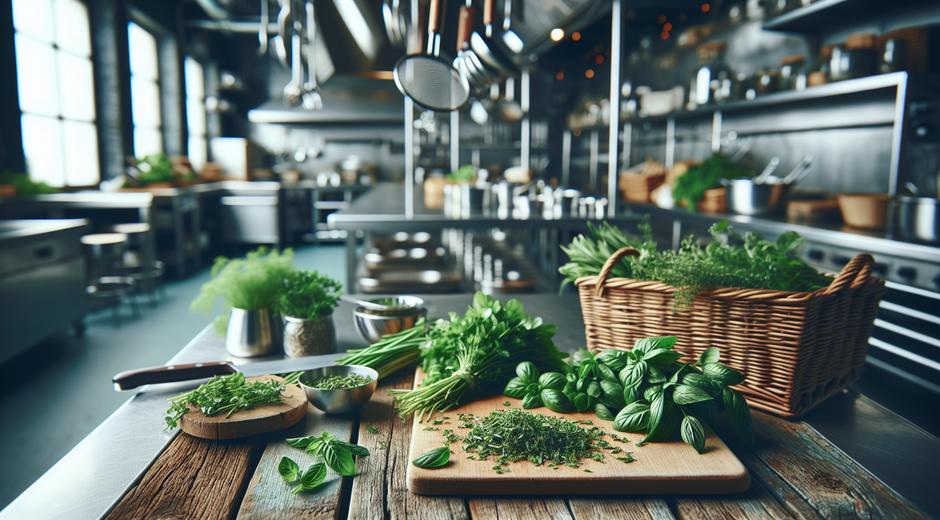


Cooking with herbs: Elevate flavor and transform meals
Cooking with herbs is one of the simplest ways to upgrade everyday meals into memorable plates that appeal to taste and health. Herbs bring aroma texture and a complexity that is hard to achieve with salt alone. Whether you garden on a small balcony or pick fresh stems from a local market the goal is the same: use herbs with intention to enhance flavors not mask them. This article covers practical tips for selecting storing and using herbs plus pairing ideas and simple methods that will improve results in the home kitchen.
Why cooking with herbs matters
Herbs add layered flavor depth and often deliver nutritional benefits such as antioxidants vitamins and trace minerals. When you learn to combine herbs with cooking techniques like roasting grilling simmering and finishing you create dishes that taste balanced and vibrant. Beyond taste many herbs such as basil parsley and cilantro brighten heavy dishes while rosemary and thyme hold up well in long cooks. Learning to think about herbs as active collaborators in a recipe will produce more consistent satisfying results.
Fresh versus dried herbs
Choosing between fresh and dried herbs depends on the dish cook time and desired intensity. Fresh herbs provide bright aromatic top notes and are ideal for finishing salads soups and grilled proteins. Dried herbs concentrate flavor so use them early in the cooking process so their oils can bloom. A common rule of thumb is that one part dried equals three parts fresh though you should taste and adjust because potency varies. Keep dried herbs in a cool dark place in sealed jars to preserve flavor. Store fresh herbs wrapped in a damp paper towel inside a perforated bag in the refrigerator or place stems in water at room temperature for brief storage.
Core herbs every kitchen should have
Start with a small set of versatile herbs and expand as your palate grows. Essential herbs include:
Basil: bright sweet notes excellent with tomatoes pasta and fresh cheeses.
Parsley: clean and slightly peppery perfect for chimichurri salads and garnishes.
Rosemary: pine like robust flavor great for roasted vegetables poultry and potatoes.
Thyme: subtle earthy notes that pair with long simmers in stews and braises.
Cilantro: citrusy bold flavor common in Latin and South Asian cuisines.
Dill: soft anise like notes for fish potatoes and pickles.
With these basics you can approach most global flavor palettes and learn how each herb behaves in heat and oil.
Flavor pairing and how to think in combinations
Successful cooking with herbs relies on pairing logic. Match herbs with main ingredients that share complementary flavor families. For example rosemary and thyme pair well with lamb and potatoes due to their earthy robust profiles. Basil cilantro and parsley pair beautifully with tomatoes citrus and olive oil because of their brighter leaf oils. Consider texture as well. Leafy herbs are best added at the end to preserve freshness while woody herbs can endure oven time.
Experiment with small combinations like parsley plus lemon plus garlic for a classic bright sauce or rosemary plus orange zest for a fragrant roast. Keep notes on what works for dishes you enjoy and slowly expand combinations that appeal to your taste.
Techniques for using herbs in cooking
There are simple techniques that maximize herb impact. Finishing means adding chopped fresh herbs just before serving to preserve aroma. Sweating involves cooking herbs gently in oil to release aromatic oils without browning. Infusing is steeping herbs in fats liquids or vinegars to carry herbs through a dish. For example infuse olive oil with garlic and basil to use in dressings or brush herb infused oil on toasted bread. Use dried herbs early in stews to let flavors develop and fresh herbs late for an aromatic lift.
Chopping matters. Larger rough chops release different notes than a fine chiffonade. When you need a subtle presence use whole sprigs that you can remove after cook time. When you want integrated flavor chop well and add at the appropriate stage.
Preserving herbs for all year use
Preserve excess fresh herbs by freezing drying or making compound butters and oils. To freeze herbs chop them and pack into ice cube trays with olive oil then pop cubes into a sealed container for quick use. Dry herbs in a warm low airflow place on screens or use a dehydrator and store in jars away from light. Herb butters with parsley chives or tarragon are easy to freeze in logs and slice for finishing proteins and vegetables.
A common question is about preserving oil based preparations. Store herb infused oils in the refrigerator and use within a week for safety. Label and date preserved items so you use them while they are freshest.
Simple recipe ideas to put herbs to work
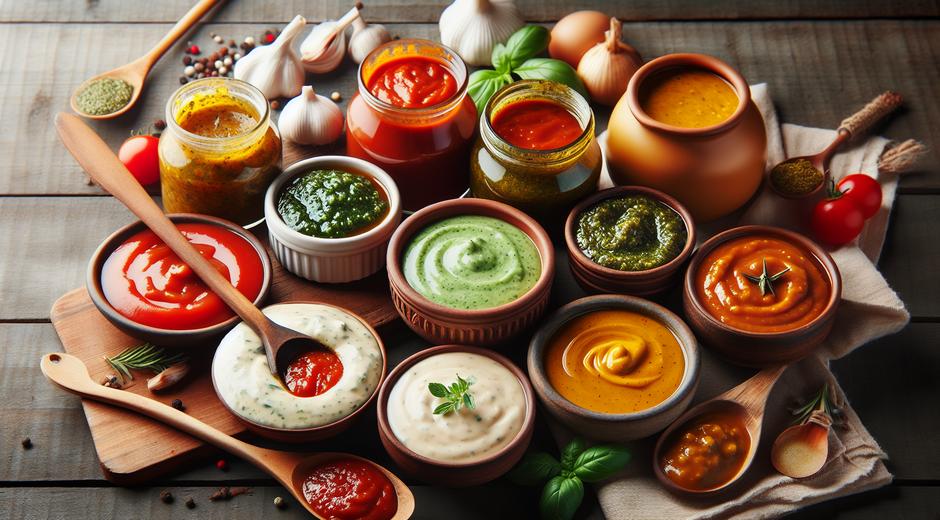
Pesto is a classic that showcases fresh basil with nuts cheese and olive oil. Try variations that swap basil for parsley or cilantro and use walnuts or almonds for a change in texture. Chimichurri is a raw sauce built from parsley garlic vinegar and oil that elevates grilled meats and vegetables. Herb vinaigrette combines minced herbs lemon or vinegar and oil for salads or marinated vegetables. For soups add a bouquet garni to simmering stocks or a final sprinkle of chives and parsley to add brightness.
Small changes like finishing a bowl of pasta with lemon zest and chopped parsley or folding basil into ricotta make an ordinary meal feel intentional.
Health and safety notes when cooking with herbs
Herbs are powerful. Some herbs interact with medications so check with a health professional before consuming large amounts for therapeutic purpose. Pregnant nursing or immune compromised individuals should consult an expert about herbs used in botanical form. When foraging or purchasing unfamiliar herbs ensure correct identification and source quality. Wash herbs gently to remove dirt and small insects and use clean surfaces and utensils to prevent cross contamination.
For more on safe sourcing and quality herb products consider resources that focus on clinical and product standards such as BodyWellnessGroup.com which can guide you toward reputable suppliers and useful information.
Growing herbs at home for best flavor
Growing herbs is rewarding and often easy. Most herbs thrive in containers or small garden beds with good drainage and regular sunlight. Basil thrives in warm bright spots while mint prefers a bit more shade and can spread aggressively so keep it contained. Water consistently but avoid waterlogged soil. Harvest by cutting just above a leaf node to encourage bushy growth. Freshly picked herbs offer the brightest oils so a small step like having a pot of parsley near the kitchen window can transform daily cooking.
Start with a few pots and learn their watering needs and sunlight preferences. Over time you will learn to harvest at the right stage for the best aroma and flavor.
Bringing it together with mindful seasoning
Cooking with herbs is part intuition part technique. Taste as you cook and add herbs incrementally so you control the balance. Consider texture and timing and treat herbs as another seasoning layer that can be used to contrast or harmonize flavors. Keep a small herb reference list for combinations that work for you and a few preserved versions of favorite herbs for the months when fresh harvests are not available.
For more recipes tips and guides explore resources focused on food flavor and technique at tasteflavorbook.com where you will find ideas that help you bake roast and plate with confidence.
Conclusion
Embracing cooking with herbs means paying attention to timing form and pairing. Start small choose a few herbs to master and practice simple techniques like finishing infusing and preserving. Over time using herbs will become second nature and your meals will feel more vibrant and thoughtful. The most valuable tool is habit: taste often and adjust. With a little knowledge and a few fresh stems you can make ordinary dishes feel special again.