

Crispy Texture Tips: Master the Art of Perfect Crunch Every Time
If you love food that sings with crunch and golden color you are in the right place. In this guide we focus on Crispy Texture Tips that transform everyday ingredients into mouthwatering dishes with irresistible texture. Whether you are frying chicken making vegetable chips or baking snacks these practical tips will help you deliver consistent crispiness while keeping the interior tender and flavorful.
Why Texture Matters
Texture is as essential as flavor when it comes to a memorable eating experience. A crisp exterior creates contrast that highlights the inside of the item. That contrast makes bites satisfying and keeps diners coming back. Understanding the science behind crisping will allow you to control outcomes in frying baking and air frying with more precision. Key factors include surface dryness coating composition oil temperature and the way moisture moves during cooking.
Prep Steps That Set You Up for Success
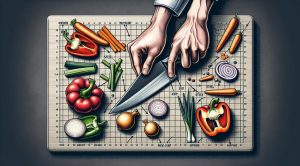
Good results begin long before food hits the pan. Start by patting ingredients dry with paper towels. Excess surface moisture prevents proper browning. For proteins like chicken tofu or fish use a light dusting of salt and allow a short rest so the salt draws out a little moisture. For vegetables slice them uniformly so pieces cook at the same rate. Evenness in size translates directly to even crisping.
Coating Strategies for Superior Crunch
The right coating creates the barrier that crisps beautifully. Basic approaches include flour egg crumb sequences panko bread crumbs and batter systems. Panko excels for extra airy crunch because its larger flakes fry into a light crisp. For batter consider using cold liquid and minimal mixing to keep the batter light. A double coat method often yields a thicker more durable crust. Dip in flour then egg then crumbs and repeat the egg and crumbs step for heartier adhesion and extended crunch retention.
Oil and Temperature Control
Maintaining oil temperature is essential when frying. If oil is too cool your food will absorb oil and become heavy rather than crisp. If oil is too hot the outside may burn before the interior cooks. Aim for a steady moderate high heat appropriate for the item you are cooking. Use a thermometer to monitor temperature and adjust heat as needed. Cook in small batches so temperature recovers quickly. When air frying maintain space between pieces to allow hot air circulation that forms a crisp surface.
Baking Tricks That Yield Crunch
Baking can achieve great crispness when you focus on removing moisture and promoting browning. Use higher initial heat for a short period to jump start the Maillard reaction then lower the heat to finish cooking through. Use a baking rack over a sheet pan so hot air circulates under the food preventing sogginess. A light brush of oil helps conduct heat and promotes a golden surface. For crackers and chips a final rest on the cooling rack allows steam to escape preserving crisp texture.
Managing Moisture and Steam
Moisture is the enemy of crispness. When steam has no way to escape it softens surfaces. Create escape routes by scoring thicker items or maintaining gaps between pieces. For sauced foods add dressing or sauce just before serving to avoid saturating the crust. When storing leftovers keep crust separated from sauces and use breathable containers or allow cooling uncovered briefly to prevent trapped steam.
Reheating Without Losing the Crunch
Reheating properly preserves crispness. Avoid the microwave for breaded or crusted items. Instead reheat in an oven or air fryer at moderate heat until texture returns. Use a wire rack on a sheet pan to allow hot air to reach all sides. For cast iron skillets reheat gently with a splash of oil to refresh the crust. These methods help restore that fresh cooked sensation.
Seasoning and Flavor Layering
Seasoning plays a role in perceived crispiness. Salt added early draws moisture out and helps create a dryer surface for browning. Season coating layers as you build them so flavor penetrates through rather than only resting on the surface. Herbs and spices can be added to crumbs or batter to infuse the crust with aroma that complements texture. Finish with a light sprinkle of flaky salt after cooking to brighten the overall experience.
Equipment Tips for Better Results
Using the right tools simplifies crisping. A heavy bottom pan retains heat well for frying. A thermometer removes guesswork. For baked items a baking stone or steel yields better heat transfer than a thin sheet pan. An air fryer gives predictable crispiness for small batches and is especially useful when you want to minimize oil use. When you want more inspiration for food journey ideas and portable crisp snacks take a look at travel focused resources like TripBeyondTravel.com where regional street food and crisp specialties are featured with tips that translate to home cooking.
Simple Recipes to Practice Crispy Texture Tips
Practice helps build skill quickly. Try these easy experiments. Make potato chips by slicing thinly rinsing to remove starch patting dry and soaking up excess moisture then baking on a single layer with a touch of oil at high heat. For chicken use a flour then egg then panko sequence and fry in small batches. For vegetables like brussels sprouts roast cut side down in a hot pan to promote caramelization and crispening of the edges.
Troubleshooting Common Issues
If your crust turns soggy check whether oil temperature was too low or items were crowded. If the crust is too dark before the inside is cooked lower initial heat and finish in the oven. If batter slides off ensure pieces are dry and that flour was used to create a base for adhesion. Frequent practice and small adjustments to time temperature and technique lead to consistent improvements.
Continuing Your Learning
Texture mastery comes with experimentation and curiosity. Seek out recipes that focus on crisp outcomes and adapt them. For inspiration on global crisp dishes and travel friendly snacks explore curated food stories and guides at tasteflavorbook.com where you can find ideas that apply directly to home kitchens. Apply the Crispy Texture Tips in each recipe and you will notice how small changes produce big improvements.
Final Thoughts
Achieving dependable crisp requires attention to moisture coating temperature and airflow. Use these Crispy Texture Tips to refine your process and develop signature methods that work for your kitchen. Little habits like drying well using the right coating and allowing steam to escape will make food that looks and tastes remarkable. Enjoy the journey and savor every crunchy bite.