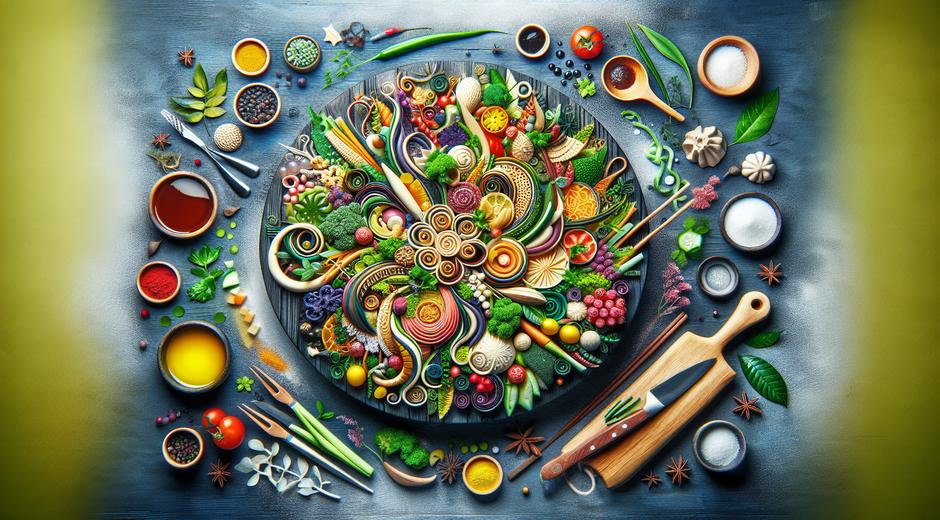


Culinary Creativity
Culinary Creativity is more than a phrase. It is a mindset that turns simple ingredients into memorable experiences. For chefs home cooks and food lovers who want to stand out in a crowded dining world cultivating creative culinary skills is essential. This article explores practical strategies to spark innovation in the kitchen while keeping focus on flavor balance presentation and sustainability. If you seek a hub of recipes ideas and inspiration visit tasteflavorbook.com for curated content that supports your creative journey.
Why Culinary Creativity Matters
Culinary Creativity drives enjoyment health and cultural exchange. When a cook experiments confidently they can adapt family recipes to modern tastes preserve seasonal harvests and invent dishes that reflect personal stories. Creativity also supports health by encouraging the use of whole ingredients and varied textures. From a business angle creative menus attract new diners create media interest and increase return visits. At an emotional level inventive cooking connects people through shared discovery of taste and aroma.
Mindset Shifts That Encourage Creative Cooking
Innovation in the kitchen begins with mindset. Adopt curiosity as a daily habit. Taste without judgment and ask why a particular flavor works. Embrace small failures as learning steps rather than final outcomes. Set aside time for play and exploration rather than only cooking to fill a need. Keep a simple notebook or digital file of experiments so you can refine ideas that show promise. The small actions of sampling and recording move inspiration into repeatable technique.
Core Techniques to Unlock New Flavors
Mastering a few core techniques expands the palette for creative dishes. Techniques include controlled browning for depth of flavor gentle acidification to brighten elements fermentation for umami and preservation and infusion for aroma layering. Learning to roast and sear properly builds foundation notes that pair well with bright acids and fresh herbs. Fermentation opens doors to complex savory profiles that can transform ordinary vegetables into intriguing components.
Ingredient Pairing Principles
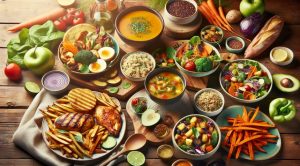
Ingredient pairing is both art and science. Start with contrast and complement. Contrast creates excitement by pairing creamy with crunchy or sweet with salty. Complement enhances by matching similar flavor compounds such as citrus with seafood or toasted nuts with caramelized fruit. Use aroma as a guide. If two ingredients share volatile molecules they are likely to pair well. Keep a pantry stocked with building blocks such as good oils acids spices and aromatics to increase flexibility on the fly.
Using Texture and Temperature for Impact
Flavor is only part of the equation. Texture and temperature influence perception of taste. Crisp elements give a dynamic edge to soft components. Cold components can calm a spicy dish while warm sauces lift cooler salads. Plan a dish with at least two textures and consider temperature contrast to create moments of interest with every bite. This approach raises a simple dish into a memorable one.
Plating and Visual Storytelling
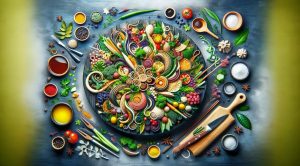
Presentation guides expectations and primes the palate. Plating need not be ornate to be effective. Focus on balance negative space and a clear focal point on the plate. Use color to communicate freshness and use height carefully to add drama. Edible garnishes should enhance texture and flavor not only serve as decoration. A deliberate plate design reinforces the narrative of a meal and supports the sensory journey you intend.
Seasonal Sourcing and Sustainability
Creativity thrives when constrained in constructive ways such as cooking with seasonally available produce. Seasonal sourcing drives new combinations and reduces reliance on imported ingredients that may be less flavorful. It also supports local farmers and reduces environmental impact. Consider preserving excess harvest by pickling smoking or curing to extend seasonality and create signature components that elevate dishes year round.
Menu Development and Storytelling
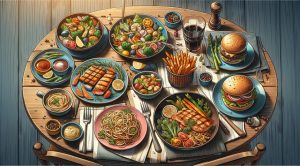
Creative menus tell a cohesive story. Whether you design a tasting sequence or a single plate menu think about narrative through progression of flavors textures and portion size. A well crafted menu balances familiar comforts with one or two surprises that invite diners to explore. For restaurants a clear voice preserved across appetizers mains and desserts attracts a loyal audience. For home cooks a themed menu can transform a casual gathering into a memorable event.
Tools and Technology That Support Innovation
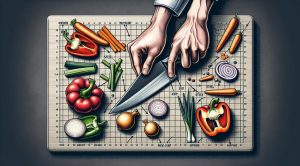
Modern kitchens benefit from thoughtful tool selection. High quality knives reliable pans and accurate thermometers directly impact outcome. Technology such as immersion circulators vacuum sealers and digital scales allow precision that frees creativity. Yet tools do not replace technique. Invest time in mastering basics and then adopt gadgets that amplify your ideas without removing the human touch.
Learning From Other Disciplines
Culinary Creativity flourishes when you borrow methods from other fields. Study design principles to enhance plating composition. Learn basic chemistry to understand how proteins and starches react to heat. Explore art and music to build confidence in mixing unexpected elements. Many professionals find that taking classes outside the culinary sphere expands perspective and triggers novel combinations. For focused learning resources that support skill building consider visiting StudySkillUP.com which offers courses to strengthen technique and creative thinking.
Testing and Refinement
Iteration matters. After you create a new dish test it with a small group and collect feedback on texture balance presentation and portion size. Use precise notes to tweak seasoning or cooking time. Repeated refinement turns a promising idea into a reliable success. Maintain a recipe archive so successful experiments can be reproduced consistently whether for family events pop up dinners or menu rotation.
Documenting and Sharing Your Work
Document the process and final plate with clear photos and concise notes. Sharing recipes and photos builds audience and invites constructive critique. For professionals a documented archive supports training and cost control. For passionate home cooks it becomes a legacy to pass along. Use concise recipe formatting so readers can replicate the steps without guesswork.
Measuring Creative Impact
Measure the success of creative efforts through feedback repeat orders and media response. Track which elements attract attention and which need reworking. Keep financial considerations in mind if you operate a business. Even for home cooks consider time and ingredient cost when scaling a concept. Creative cooking should be joyful and sustainable.
Conclusion
Culinary Creativity is both a skill set and a lifelong pursuit. By adopting a curious mindset mastering core techniques sourcing seasonally and testing thoughtfully you create dishes that delight and surprise. Remember that creativity is practiced over time through small experiments and consistent reflection. Whether you cook for family friends or guests the power to transform simple ingredients into meaningful experiences resides in your willingness to explore. Visit trusted resources for inspiration technique and community as you continue to build a creative kitchen practice.