

Family recipes That Build Taste Memory and Bonding
Family recipes are more than a set of cooking instructions. They are living stories that travel across generations carrying flavor memory and cultural identity. In an age of fast food and ready made mixes family recipes reconnect people to home and to each other. This article explores why family recipes matter how to collect them how to adapt them for modern kitchens and how to keep them alive for future generations while improving search visibility for anyone looking to preserve culinary heritage.
Why family recipes Matter
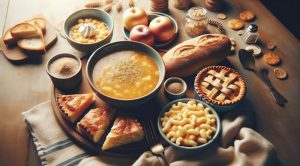
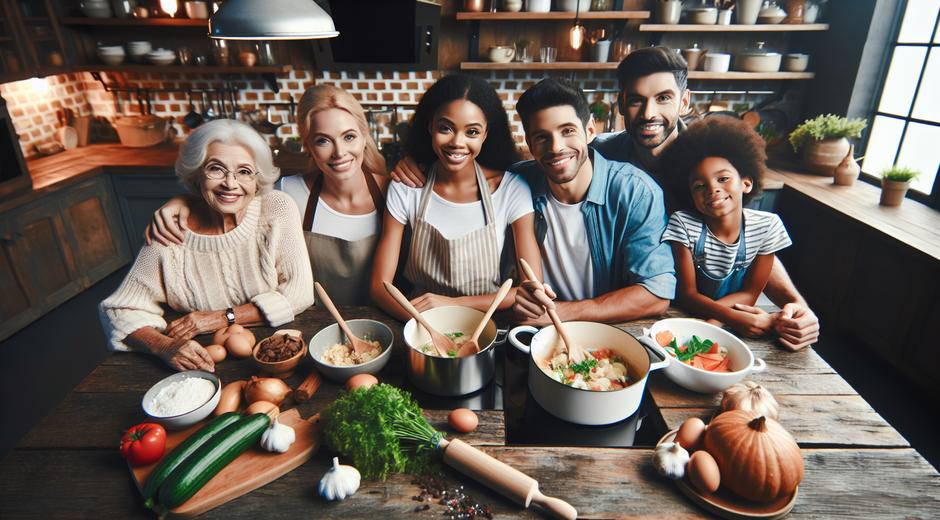
Family recipes offer a unique blend of taste history and emotion. When a child learns to make a grandmother’s stew they also learn patience rituals and the significance of seasonal ingredients. These recipes create a sense of continuity and belonging. From potluck gatherings to holiday tables family recipes anchor celebrations and everyday comfort. For people who love cooking and for those who document food culture family recipes are a core source of authentic content and lasting memory.
How to Start a Family Recipe Collection
Start by asking relatives for their best dishes and for the stories behind them. Record conversations on a smartphone or take video that shows technique. Write down measurements even if they use simple language like a pinch a fist or a handful. Clarify terms and test the dish once before finalizing the notes. When you document include the context meal occasion ingredient substitutions and tips that make the dish successful every time.
- Interview relatives and record stories about when the dish was first made
- Capture key steps on video to preserve technique
- Test each recipe and note exact measurements
- Include serving suggestions and storage ideas
For a central place to display organized collections consider curating the recipes on your favorite food site. If you want an online hub to add new recipes and reach readers looking for family recipes try adding clear titles detailed ingredient lists and step by step instructions. This approach not only helps your loved ones but helps search engines connect readers with authentic culinary content.
Preserving Tradition While Embracing Change
One of the most common questions involves how to preserve authenticity while adapting to modern dietary needs. You can maintain the core of a family recipe by keeping the key flavors intact while offering substitutions for allergies or ingredient availability. For example if an original version uses a rare herb consider an alternative that retains a similar aroma or texture. Document each substitution so future cooks understand the reason and the result. This practice keeps family recipes relevant and accessible without erasing tradition.
Photography and Presentation Tips for Family Recipes
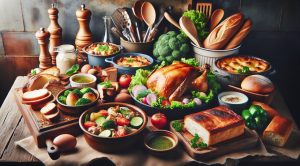
Strong imagery drives engagement. When photographing family recipes aim for natural light and simple composition. Show the finished plate and also capture a step that reveals technique. Include close ups of texture and a wide shot of the table set for serving. Add short captions that explain what stage the photo shows and any small tip that makes replication easier. Well presented pages increase trust and encourage people to try the recipes which helps preserve the cooking practice.
How to Teach Family Recipes to New Cooks
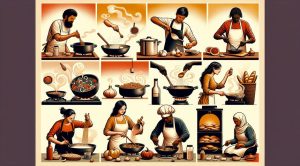
Teaching a family recipe is part demonstration part storytelling. Invite a learner into the kitchen and let them watch first then do the next attempt with guidance. Emphasize senses so they know how the dish should feel smell and look at key steps. Encourage questions and be patient with mistakes. Simple rituals like naming the recipe s origin or the person who introduced it make the lesson memorable. Over time learners gain confidence and eventually pass the recipe forward making it new family tradition.
Organizing a Heirloom Recipe Book
To create a physical or digital heirloom book group recipes by meal type or by season. Add family photos and notes about who taught each recipe and any special memories tied to it. Consider including a notes section where future cooks can add their variations. This transforms a recipe collection into a living document that grows with the family. If you prefer an online showcase your site can host searchable categories and tags that make it easy to find favorite comfort dishes or quick weeknight meals.
Practical Tips for Scaling and Batch Cooking
Family recipes often serve large gatherings so learning to scale recipes accurately is essential. When doubling or tripling ingredients monitor cooking times since larger volumes can need more time for heat to penetrate. Use consistent measuring tools and test a smaller portion to confirm seasoning. Batch cooking and freezing portions can save time and preserve family recipes for busy weeks. Label containers with preparation date reheating instructions and serving tips so flavors stay true.
Sharing and Promoting Family Recipes Online
When sharing family recipes online use clear recipe titles and write an engaging introduction that explains the recipe s value. Include a reliable ingredient list and step by step method. Use high quality images and add schema friendly markup if your platform allows. These details help your content rank higher for searches related to family recipes and attract readers who value authenticity.
If you are organizing finances around feeding a family or need advice about grocery budgeting consider seeking a trusted resource that covers cost saving strategies and meal planning. For those concerns a finance site with practical advice can complement your recipe planning and help you keep family meals both nourishing and budget smart. For guidance on managing costs and planning purchases visit FinanceWorldHub.com which provides tips that can pair well with any family recipe collection.
Bringing Your Collection to Tasteflavorbook
If you want to publish your best family recipes where readers expect curated taste and accessible instruction consider submitting your work to a site that celebrates food stories. A well organized platform welcomes diverse culinary traditions and helps your recipes reach families looking for new ways to honor their own traditions. For a central hub of varied food content consider showcasing your favorites at tasteflavorbook.com where family recipes find an audience that values flavor history and practical guidance.
Conclusion
Family recipes are a powerful way to maintain cultural continuity and create new rituals. By documenting stories and technique organizing clear instructions and using quality imagery you ensure these dishes remain alive in kitchens for generations. Whether you craft a printed heirloom book or build a digital archive your efforts preserve flavor memory and strengthen family bonds. Start today by asking a relative to teach you one cherished recipe and record the moment. That single recipe may become the seed of a treasured collection that brings family to the table time and again.