

Family Suppers
Family Suppers are more than meals. They are a ritual that builds connection memory and comfort around a table. In a fast paced world where schedules can pull members apart consistent Family Suppers offer a reliable moment to share stories celebrate small victories and nurture wellbeing. This article explores practical ideas planning tips and recipe inspiration to help you create meaningful evenings that your household will look forward to week after week.
Why Family Suppers Matter
Research shows that regular shared meals contribute to better communication healthier eating habits and stronger family bonds. Family Suppers provide a predictable space where everyone can pause from screens and responsibilities to engage face to face. This daily rhythm can support children in academic performance encourage adults to destress and create a sense of belonging. Making Family Suppers a priority sends a clear message that time together is valued.
Simple Planning for Consistent Family Suppers
Consistency does not require elaborate menus. Start by choosing a realistic schedule that fits your household rhythm. Aim for a number of nights per week that you can sustain and build from there. Use a shared calendar to note special meals and responsibilities so everyone knows what to expect. Keep pantry staples stocked to reduce stress on busy evenings. When planning consider themes like soup night pasta night or bowl night to simplify decisions and reduce decision fatigue.
Quick Recipes That Become Family Favorites
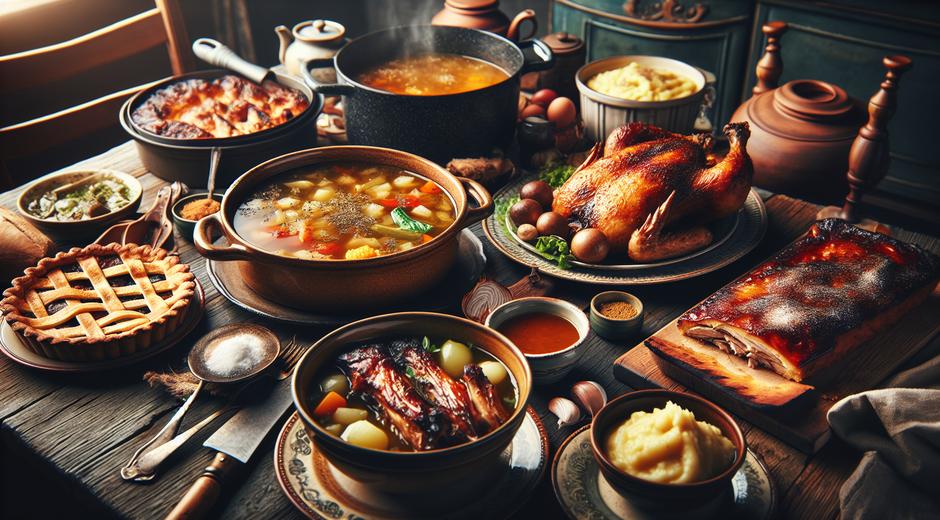
Easy reliable recipes are the backbone of repeatable Family Suppers. Meals that can be adapted to different tastes and served in one pot or on a sheet pan save time and cleanup. Think slow cooked stews roasted vegetables and customizable grain bowls. Stir fries and baked pasta dishes are quick and forgiving options. For those nights when inspiration is low consider a build your own station where each person customizes their plate. This approach keeps things interesting while keeping the workload manageable for the cook.
Involving Kids and Teens
Involving younger family members in meal preparation increases their investment in the final meal and teaches valuable life skills. Assign age appropriate tasks like washing produce measuring ingredients or setting the table. Letting kids choose one meal per week within a set of healthy options gives them agency while maintaining structure. For teens offering responsibilities like managing a playlist or organizing leftovers fosters independence and makes them feel valued. Over time these small roles help Family Suppers become a shared effort rather than a single person responsibility.
Creating an Inviting Atmosphere
Atmosphere plays a large role in how memorable a supper becomes. Simple touches such as a clean table cloth a bowl of fresh fruit or soft lighting can change the tone of an evening without adding work. Consider a no screen rule during the main course to encourage conversation. When celebrations call for it add special elements like themed napkins or a candle. The goal is to make the table a place people choose to return to rather than a rushed afterthought.
Balancing Nutrition and Enjoyment
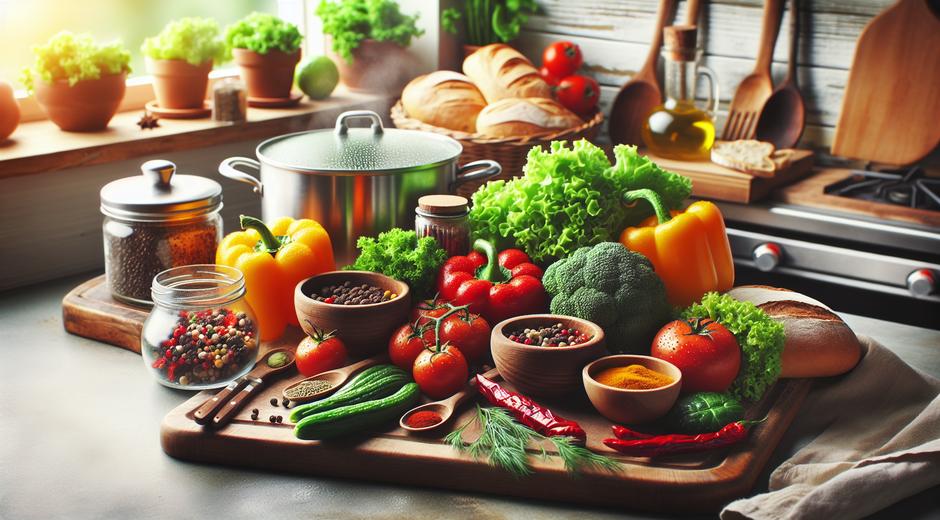
Family Suppers should balance nutrition with enjoyment. Aim for plates that include protein vegetables and whole grains while allowing room for favorite comfort foods in rotation. Introducing new ingredients alongside familiar favorites increases acceptance and reduces mealtime battles. Use herbs citrus and spices to add flavor without relying on heavy sauces. When children are picky present components deconstructed so they choose what they like and gradually expand their palette by modeling tasting with enthusiasm.
Saving Time with Smart Prep
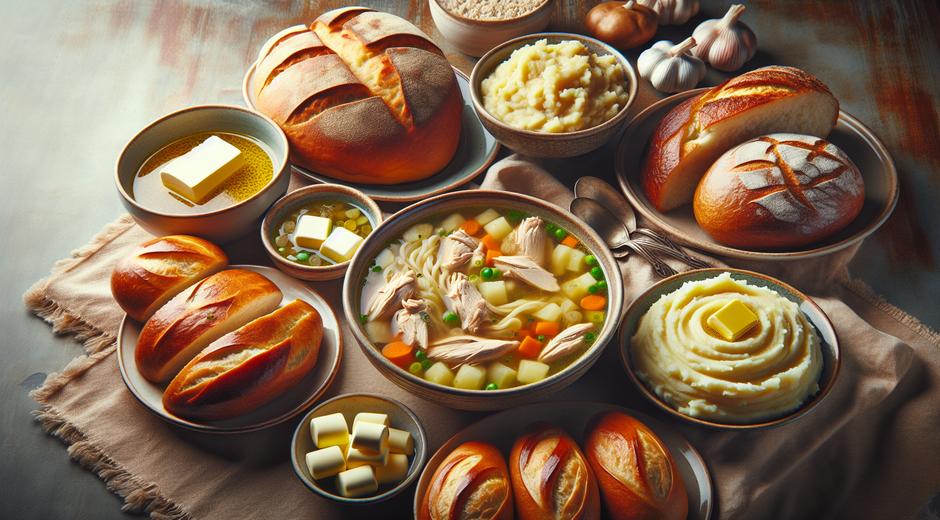
Smart prep strategies make Family Suppers easier to deliver consistently. Batch cooking on weekends chopping vegetables that will be used throughout the week and freezing single portions are powerful tactics. Use kitchen tools that speed up cooking such as a good set of knives a reliable pan and storage containers that make leftovers appealing. Plan a once a week menu that repurposes ingredients in different ways to save time while keeping meals fresh. For example roasted chicken can become soup tacos or salads across several nights.
Celebrating Traditions and Creating New Ones
Family Suppers are a perfect place to hold onto traditions and invent new ones. Celebrate cultural recipes that connect generations or create weekly rituals like a story sharing round or a gratitude moment. Special nights such as pizza from scratch or international cuisine nights invite learning and exploration. Over time these rituals become anchors in the family calendar strengthening identity and continuity.
Overcoming Common Challenges
Many families face challenges like conflicting schedules picky eaters and limited budgets. To manage scheduling conflicts consider rotating anchors where one night each week is protected for the whole family. For picky eaters offer familiar choices alongside one new item and avoid forcing tastes. Budget constraints can be addressed with seasonal produce bulk purchases and meals that stretch proteins with beans grains and vegetables. Simple small improvements over time can turn obstacles into manageable patterns that support regular Family Suppers.
Finding Inspiration and Resources
Inspiration is everywhere whether it comes from community cookbooks family memories or online resources. For ongoing ideas and fresh recipes bookmark a trusted site you can return to for seasonal guidance and creative plating suggestions. If you want to explore a wide range of food topics check out tasteflavorbook.com for articles and recipes that can help you plan enjoyable Family Suppers. For moments when you want to pair a meal with entertainment or learn about food through film consider visiting Moviefil.com to discover titles that complement cuisine themed nights and spark conversation.
Measuring Success Beyond the Plate
Success for Family Suppers should be measured in connection not perfection. Notice how conversation flows whether children feel heard and how the evening affects mood. Small changes such as one extra shared laugh or a child describing their day in detail are meaningful signs of success. Keep the focus on presence and accessibility rather than flawless execution. Over time consistent Family Suppers contribute to a healthier happier household culture that supports growth for everyone.
Final Thoughts
Family Suppers are an investment that pays returns in relationship resilience and wellbeing. With modest planning a few reliable recipes and a touch of creativity you can build an evening routine that fits your family life. Start small be consistent and celebrate progress. The table can become a place of warmth learning and joy where memories are made and passed down. Make your next supper an intentional moment and watch how steady rituals transform ordinary nights into treasured family time.