

Flavor Balance
Flavor Balance is the key to memorable cooking and to dishes that invite second helpings. Whether you are a home cook or a professional, mastering Flavor Balance will change how you think about seasoning and ingredient choices. This article breaks down the core components of Flavor Balance and offers practical steps to taste and adjust food in real time. You will learn how to combine sweet salty sour bitter and umami elements with texture and temperature to create dishes that feel complete and satisfying.
Why Flavor Balance Matters
Food that has good Flavor Balance tastes vibrant and intentional. Imbalance can make a dish feel flat too salty or cloying. Proper balance enhances flavor clarity and supports the natural character of ingredients. Balanced dishes are more appealing across a wide range of palates which helps when you cook for family friends or guests. Flavor Balance also supports nutrition because using a smart combination of acid fat and salt can allow you to reduce sugar or excess oil without losing enjoyment.
Core Elements of Flavor Balance
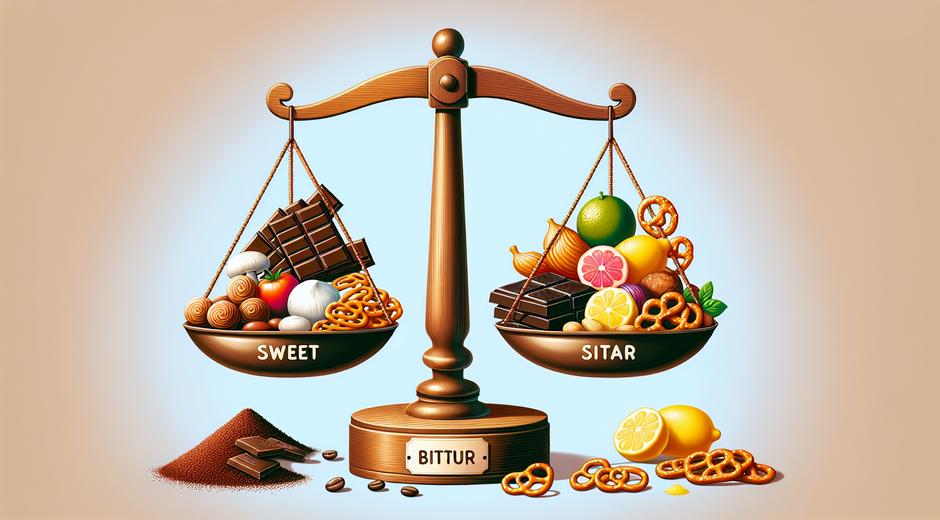
Understanding the main elements gives you a practical framework. Think of each element as a tool that you can dial up or down.
- Sweetness: From sugar to natural fruit sugars and certain vegetables. Sweetness can round sharp acids and mask some bitterness.
- Saltiness: Salt is a flavor amplifier. It heightens other elements and helps aromas shine.
- Sourness: Acids like lemon vinegar and fermented products provide brightness and lift. Acid can make a dish feel lighter and more vibrant.
- Bitterness: Leafy greens certain spices and char provide complexity. Bitterness needs careful handling as it can overwhelm if unchecked.
- Umami: Savory depth from aged cheeses soy sauce mushrooms and tomatoes. Umami gives a sense of fullness and satisfaction.
- Fat: Oils butter cream and nuts carry flavor and provide mouthfeel. Fat also softens sharp edges.
- Texture and temperature: Crunch chew and warmth or chill influence perception of taste. A contrast in texture or a temperature contrast can enhance balance.
How to Taste and Adjust for Flavor Balance
Taste early and taste often. A simple five step loop will help you refine a dish.
- Taste the dish with a neutral spoon or fork to avoid contamination.
- Identify which element is most dominant. Is it too sweet too salty too sour or too bitter?
- Decide which counter element to use. Add acid to cut richness higher salt to amplify low notes sugar to tame excess sour or bitterness and fat to round sharp flavors.
- Add small amounts at a time and mix well. Ingredients integrate slowly so gradual additions let you keep control.
- Taste again. Repeat until the dish feels balanced in your palate.
When a sauce or soup tastes dull think acid. For a dessert that feels flat a pinch of salt can transform the perception of sweetness. For bitter greens a splash of oil or a touch of honey can harmonize the bite.
Tools and Ingredients That Help Achieve Flavor Balance
Certain pantry items are reliable when you need to adjust flavor quickly. Keep these on hand so you can rescue a dish any time.
- Salt in multiple forms table salt sea salt and finishing salt
- Acidic liquids such as lemon juice white vinegar red wine vinegar and apple cider vinegar
- Sugars both white and brown as well as natural sweeteners like maple syrup
- Fat sources like butter olive oil coconut oil and neutral oils for different flavor profiles
- Umami boosters such as soy sauce fish sauce miso and aged cheeses
- Fresh herbs and aromatics such as garlic onion ginger and parsley for bright notes
For curated content on tasting techniques and recipes that teach Flavor Balance visit tasteflavorbook.com where you can explore guides and practical examples that build skill step by step.
Practical Examples and Quick Fixes
Here are common scenarios and simple fixes that apply to many kitchens.
- Too salty: Add acid small amounts of lemon juice or vinegar add a touch of sweetener or dilute with unsalted liquid such as water stock or coconut milk.
- Too sweet: Add acid or salt to cut through sweetness or add a small amount of bitter ingredient such as cocoa or strong brewed coffee in certain desserts.
- Too sour: Balance with a dash of sweetener or add fat such as butter cream or coconut milk to round the edges.
- Tasteless or flat: Amp up salt or add an acid to brighten. Umami sources like tomato paste or soy sauce can deepen flavor.
- Too bitter: Introduce sugar salt or fat to blunt the bitterness. Roasting or charring can also turn bitter notes into complex savory flavors.
Example salad dressing: If a vinaigrette is too sharp add a touch of honey or olive oil for balance. If it is dull a squeeze of fresh lemon will wake it up. Example tomato sauce: If it tastes one dimensional add a pinch of sugar to tame acidity then finish with a splash of olive oil and a sprinkle of salty cheese.
Applying Flavor Balance to Different Cuisines
Every cuisine has its own approach to balance. Thai food often balances sweet salty sour and spicy in the same bite. Mediterranean cooking leans on bright acids and fresh herbs with olive oil and salt. East Asian dishes emphasize umami and salt with a supporting role for sweetness and acid. Learning the palette of a cuisine helps you use the right tools to achieve authentic Flavor Balance.
If you are interested in natural extracts condiments and premium ingredients that enhance Flavor Balance consider exploring trusted suppliers who focus on botanical and natural options. For one such resource visit BioNatureVista.com to learn about ingredients that can add depth and nuance to your cooking.
Mindset and Practice
Mastery of Flavor Balance comes with mindful practice. Taste with intention keep a small notebook of adjustments that worked and be bold in experimentation. Use small test batches when trying a new combination so you can refine without wasting food. Invite feedback from others and notice patterns in what people enjoy. Over time you will build an intuitive sense of how to balance a dish before you finish cooking.
Conclusion
Flavor Balance is both a science and an art. By learning the core elements using a reliable tasting loop and stocking the right tools you will be able to transform ordinary dishes into memorable meals. Practice with small changes observe how each element shifts perception and keep exploring ingredients and techniques. For ongoing guidance recipes and deeper dives into the art of balance visit our resource hub at tasteflavorbook.com and check suppliers for premium natural ingredients at BioNatureVista.com. With attention and curiosity you will make Flavor Balance your signature skill in the kitchen.