

Flavor Roots: Unearthing the Foundations of Taste
Flavor Roots is more than a phrase. It is a way to think about how dishes become memorable. At its heart Flavor Roots describes the fundamental elements that create taste depth and aroma harmony. Chefs and home cooks can use the idea of Flavor Roots to trace where flavor starts and how it grows into a full sensory experience on the plate.
What Flavor Roots Means in the Kitchen
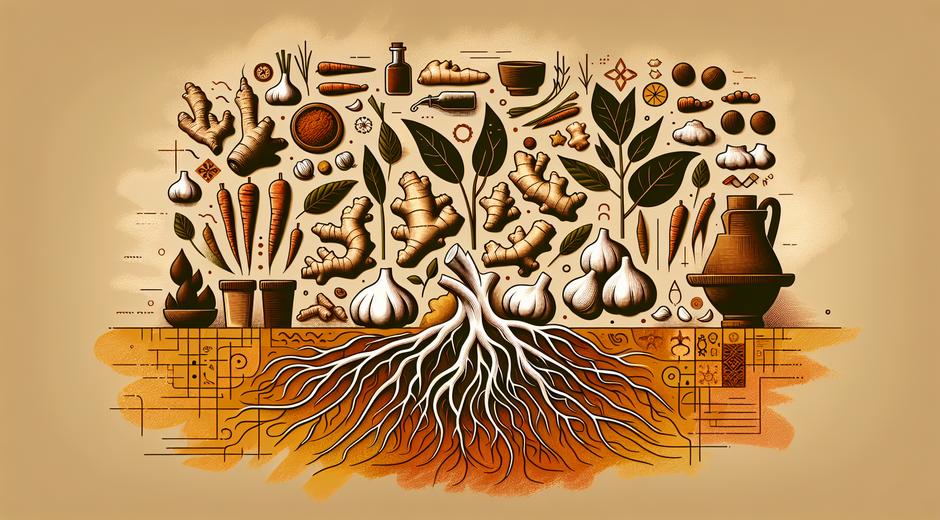
When we talk about Flavor Roots we refer to both literal roots and the base techniques that form a recipe backbone. Root vegetables such as carrot potato beet and parsnip bring earthy sweetness and textural weight. Ginger turmeric and horseradish add pungent heat and bright notes that wake the palate. Beyond literal roots the concept also covers base sauces stocks and spice blends that ground a dish. A well made stock can be the Flavor Roots of a stew providing long lasting savory character.
How Biology Shapes Flavor Roots
Understanding taste receptors and olfactory perception helps explain why certain roots and base elements matter. The human tongue detects basic tastes such as sweet sour salty bitter and umami. Aroma molecules interact with the nose to create complex flavor impressions. Many roots are dense with sugars organic acids and aromatic oils. When cooked these compounds transform through Maillard reaction and other processes to produce new layers of flavor. By starting with high quality roots and handling them with care cooks preserve and amplify these compounds.
Techniques to Build Strong Flavor Roots
There are simple practical steps to strengthen Flavor Roots in everyday cooking. Those steps are reliable and repeatable across cuisines.
First roast or sear to introduce caramelized and toasted notes. Second sweat aromatics slowly to coax out sweetness without burning. Third deglaze pans to capture fond that stores concentrated flavor. Fourth simmer stocks and sauces long enough for collagen and aromatics to meld. Fifth season in layers tasting as you go to balance salt acid fat and sugar. Each step helps roots become the foundation that supports higher level flavors.
Flavor Roots in Different Cuisines
Every culinary tradition has its version of Flavor Roots. In East Asian cooking stocks infused with dried fish miso ginger and scallion form the base of many dishes. In South Asian cooking toasted spices and onion tomato bases build complex layers. In Mediterranean kitchens olive oil garlic lemon and slow roasted vegetables create bright yet grounded profiles. Recognizing common threads helps cooks borrow techniques and ingredients across styles while preserving authenticity.
Using Root Vegetables to Improve Flavor Roots
Root vegetables are economical and versatile building blocks. They provide natural sweetness body and an ability to thicken broths and sauces. Roast a mix of root vegetables with a little salt and oil to add rich caramelized notes to soups. Puree cooked roots to enrich sauces. Add roasted root pieces to grain bowls to boost texture and savoriness. Even small amounts of concentrated root paste can lift a dish without changing its identity.
When shopping choose roots that are firm heavy and free from soft spots. Freshness matters because flavor compounds degrade with time. Store bulbs in a cool dry place away from light to preserve sugars and aromatic oils.
Spices and Aromatics as Flavor Roots
Spices and aromatics often act as concentrated Flavor Roots. Toasting whole spices unlocks essential oils and transforms their impact. Grinding spices fresh keeps volatile compounds intact until they hit heat and liquid. Herbs used early in cooking tend to soften and blend into the fabric of a dish while herbs added at the end contribute bright top notes. Learning when to use an ingredient as a foundational element and when to use it as a finishing note is key to mastering Flavor Roots.
Flavor Roots and Nutrition
Roots contribute nutrition as well as taste. Root vegetables are often rich in fiber vitamins and minerals. Spices add antioxidants and bioactive compounds with potential health benefits. Building Flavor Roots with whole ingredients rather than processed additives enhances both flavor and nutrient density. This approach supports meals that feel satisfying and perform well for daily energy and wellness.
Practical Recipes to Explore Flavor Roots
Start with simple projects to explore how Flavor Roots change a dish.
Make a basic vegetable stock using roasted root vegetables and aromatics. Simmer low and slow for clear concentrated broth. Use that stock for soups risottos or sauces to immediately lift the overall profile. Another project is a roasted root purée that can replace butter or cream in certain applications. Experiment with toasted spice blends added to stock or purée to add regional character.
Flavor Roots for Home Cooks
Home cooks can benefit from a methodical approach. Keep a small collection of pantry staples that function as Flavor Roots. These might include onions garlic carrots celery a variety of dried spices whole grains and a reliable neutral oil. Build meals around a central stock or sauce and adapt with proteins and seasonal produce. Learn to taste and adjust seasonings at each stage of cooking. Over time these habits will make strong Flavor Roots second nature.
Flavor Roots and Sustainability
Using roots and base elements efficiently supports sustainable cooking. Root vegetables store well which reduces waste. Making stocks from bones vegetable scraps and herb stems stretches ingredients and captures flavor that would otherwise be lost. Minimizing reliance on processed flavor enhancers and building depth from real food encourages a circular kitchen ethos that is better for budgets and the planet.
Where to Learn More About Flavor Roots
For readers who want a reliable source of recipes techniques and food stories visit tasteflavorbook.com where we explore foundational cooking ideas and step by step guides. For additional reference on flavor science and ingredient sourcing consider checking a partner resource at Chronostual.com which provides complementary articles and guides.
Final Thoughts on Developing Your Own Flavor Roots
Flavor Roots is a practical lens through which to view every meal. It invites cooks to think about where taste begins and to be intentional about building depth. Start by choosing quality base ingredients practice simple techniques and taste at every stage. Over time you will develop a personal set of Flavor Roots that make your cooking distinct reliable and deeply satisfying. Use root vegetables spices stocks and slow technique to create dishes that resonate long after the meal ends.