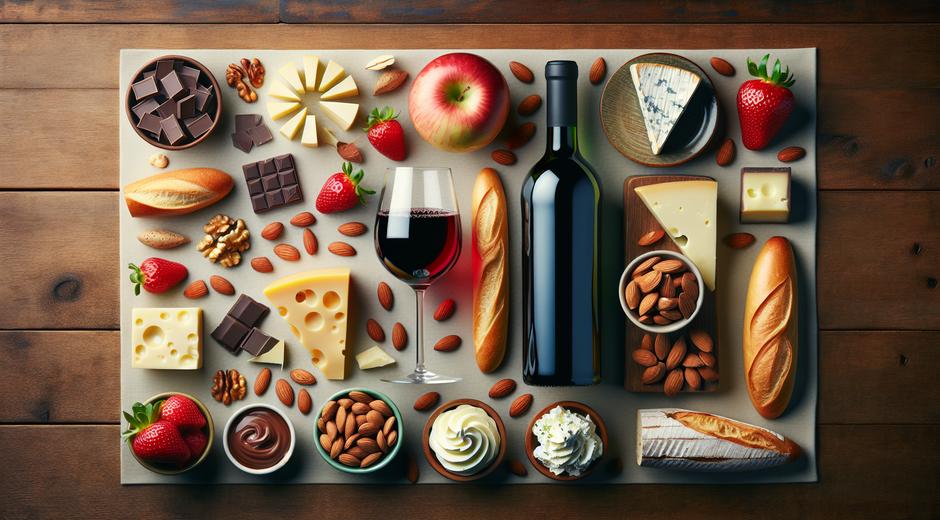


Food pairing basics: How to match flavors with confidence
Understanding food pairing basics is a skill that turns ordinary meals into memorable dining experiences. Whether you are cooking for family or creating a menu for guests, mastering how flavors interact will help you build balanced plates. This guide explains core principles and gives practical tips to help you pair ingredients, drinks and condiments with confidence.
What is food pairing
Food pairing is the practice of combining ingredients that enhance each other to create a harmonious taste experience. At its core it relies on shared flavor compounds and on human perception of taste and texture. Good pairings can make flavors more vivid and enjoyable. Poor pairings can mask delicate notes or create a muddled result. Learning the basics provides a framework so you can improvise and innovate without guesswork.
Key principles of successful pairings
Several guiding ideas help you decide what to combine. These principles are tools not rules. Once you understand them you can break them creatively.
1. Match intensity. Light ingredients go with light partners while bold ingredients stand up to bold partners. A delicate poached fish pairs well with a gentle herb sauce. A spicy stew needs a robust side or a creamy element to balance intensity.
2. Complement and contrast. Complementing means choosing flavors that share a quality so they amplify each other. Contrasting means pairing opposite qualities to create balance. For example a sweet glaze can complement roasted carrots by intensifying sweetness. A squeeze of citrus can contrast and brighten fatty or rich dishes.
3. Consider texture. Crunchy, creamy, chewy and silky textures change how we experience flavors. Adding a crunchy element to a creamy dish introduces interest and keeps the palate engaged. Texture can be as important as flavor when deciding what to pair.
4. Use acid and fat wisely. Acid brightens and cuts through richness. Fat carries flavor and gives mouthfeel. When a dish feels heavy, add acid through vinegar, citrus juice or pickled items. When a dish feels thin, add a fatty element like olive oil, butter or nuts.
The taste components to know
Familiarity with the five basic tastes helps you build balanced combinations.
1. Sweet. Sweetness adds comfort and rounds out harsh edges. It can tame spicy heat and contrast bitter notes.
2. Salty. Salt enhances flavor and brings out hidden aromatics. A touch of salt can turn a bland dish into one that sings.
3. Sour. Sourness from citrus or vinegar adds lift and brightness. It is crucial for balancing heavy or fatty foods.
4. Bitter. Bitterness adds depth and complexity. It pairs well with sweet and salty to create sophisticated layers.
5. Umami. Savory, meaty umami binds flavors and makes combinations feel satisfying. Ingredients rich in umami include mushrooms, aged cheese, tomatoes and fermented products.
Aroma and chemistry in pairing
Aromas play a huge role in why certain combinations work. Shared volatile compounds between ingredients often indicate compatibility. For example chocolate and blue cheese share aroma molecules that can create surprising harmony. You do not need a laboratory to use this concept. Pay attention to ingredients that smell similar or that use the same herbs and spices and see how they interact in dishes.
Texture temperature and contrast
Temperature and texture both influence perception of flavor. A warm sauce can amplify the aroma of spices. A cold acidic garnish can refresh the palate between bites of rich food. Contrast keeps a meal dynamic. Pair warm roasted vegetables with a cool tangy dip. Pair a silky mousse with crisp cookies or nuts for crunch.
Simple techniques to experiment safely
Practice is the fastest path to mastery. Use these approachable experiments to test combinations.
1. The taste test trio. On a small plate arrange three tiny portions. Start with a base ingredient like grilled chicken. Add one complementary element such as a herb oil and one contrasting element such as a pickled relish. Taste each combination and note which feels more balanced.
2. Swap a component. Take a favorite recipe and swap one element. Replace butter with olive oil. Replace a sweet glaze with a tart chutney. Notice how the swap changes balance and texture.
3. Build a pantry of reliable partners. Stock items that solve common problems: a jar of good vinegar for brightness, a high quality olive oil for richness, toasted nuts for crunch and an aged cheese for umami. These pantry staples make rescuing or enhancing dishes quick and intuitive.
Practical pairing ideas you can use tonight
Here are straightforward pairings to start applying food pairing basics at home.
1. Tomato and basil. Rival aromatic notes and a balance of sweet acid and herb make this classic a safe bet for many dishes.
2. Apple and pork. The sweet crispness of apple cuts through the savory richness of pork. Use fruit in chutneys salsas or as a roasted accompaniment.
3. Lemon and fish. Acid brightens the delicate flesh and enhances freshness. A squeeze of lemon can transform the whole plate.
4. Yogurt and spicy foods. Creamy tang of yogurt cools heat and adds a creamy texture that rounds spices.
5. Dark chocolate and ripe berry. The bitter cocoa notes and the bright fruit acid form a luxurious contrast that feels balanced and decadent.
Pairing drinks with food
Drinks play a major role in food pairings. The same principles apply. Match intensity and look for complementary or contrasting notes. For wine think about acidity sweetness body and tannin. For beer consider bitterness and carbonation. Non alcoholic beverages like herbal teas or sparkling water with citrus can be excellent partners.
If you want one quick rule for wine it is this. Rich foods often need wines with acidity to cut through the weight. Lighter foods pair with lighter wines. Highly spiced foods can clash with tannic wines and may pair better with aromatic or slightly sweet wines.
Common mistakes to avoid
Avoid these pitfalls while you practice pairing basics.
1. Overwhelming delicate flavors. Strong sauces or spices can hide subtle ingredients. When using a delicate protein such as scallops, keep the seasoning light.
2. Too many competing elements. More is not always better. Limit components so each element has space to be noticed.
3. Ignoring temperature and texture. A well balanced flavor profile can still feel off if the textures clash badly or the temperature contrast is jarring.
Where to learn more and find inspiration
There are many resources for expanding your food pairing knowledge. Tasting events cooking classes and curated recipe sites all help develop intuition. For general culinary content and fresh ideas visit tasteflavorbook.com where you will find articles recipes and pairing suggestions tailored for home cooks.
For personal care and wellbeing content that complements a balanced cooking lifestyle explore BeautyUpNest.com which offers tips on nutrition skin care and mindful living that can inspire a holistic approach to food and health.
Putting food pairing basics into practice
Start small. Choose one meal this week and deliberately apply one principle such as adding acid to balance richness or adding a crunchy topping to introduce texture. Keep notes about what worked and what did not. Over time you will notice patterns and build a mental library of reliable matches. The goal is to develop confidence so you can experiment without fear.
Conclusion
Food pairing basics give you a framework to make smarter choices in the kitchen. Focus on matching intensity using complement and contrast while paying attention to texture temperature and aroma. Practice simple experiments and build a pantry of dependable partners. With a little practice you will transform everyday meals into thoughtful and delicious combinations that please the palate and showcase your creativity.