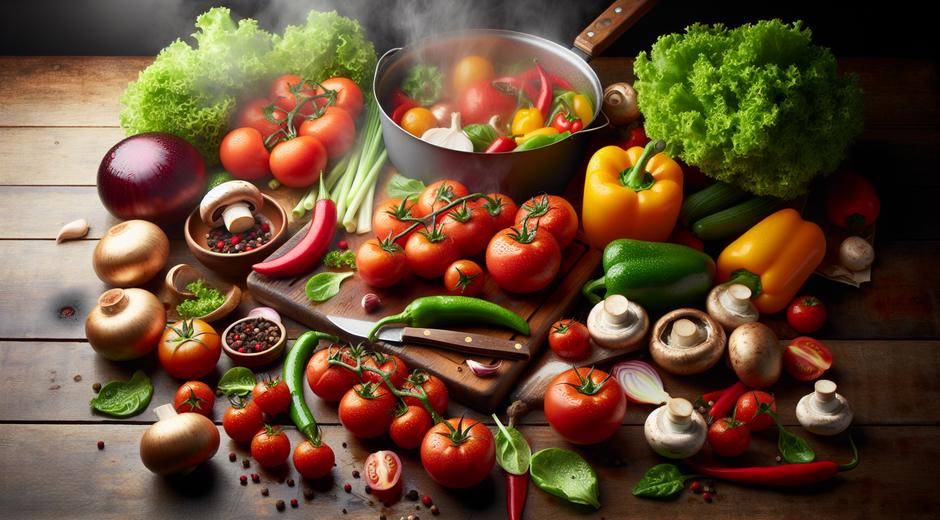


Fresh Produce Cooking: Mastering Flavor and Nutrition
Why Fresh Produce Cooking Matters
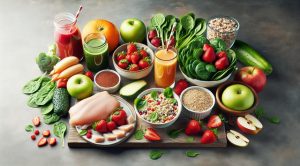
Fresh produce cooking transforms simple ingredients into meals that are vibrant in flavor and packed with essential nutrients. When you prioritize fresh fruits and vegetables you get better texture and deeper aroma in every bite. That matters for health and for enjoyment at the table. Learning how to cook with fresh produce also helps you reduce waste and stretch your food budget by using whole items from root to leaf.
Selecting Quality Fresh Produce
Start with a plan for meals you will actually want to eat. Choose seasonal items because they tend to be fresher and more affordable. Look for firm texture and bright color. Smell can tell you a lot so give produce a gentle sniff for earthiness or sweetness depending on the item. If you want local markets or farmers events try checking travel and local guides for tips on where to find the best vendors like TripBeyondTravel.com which sometimes highlights regional markets and food experiences that pair well with fresh produce cooking adventures.
Essential Tools and Pantry Items
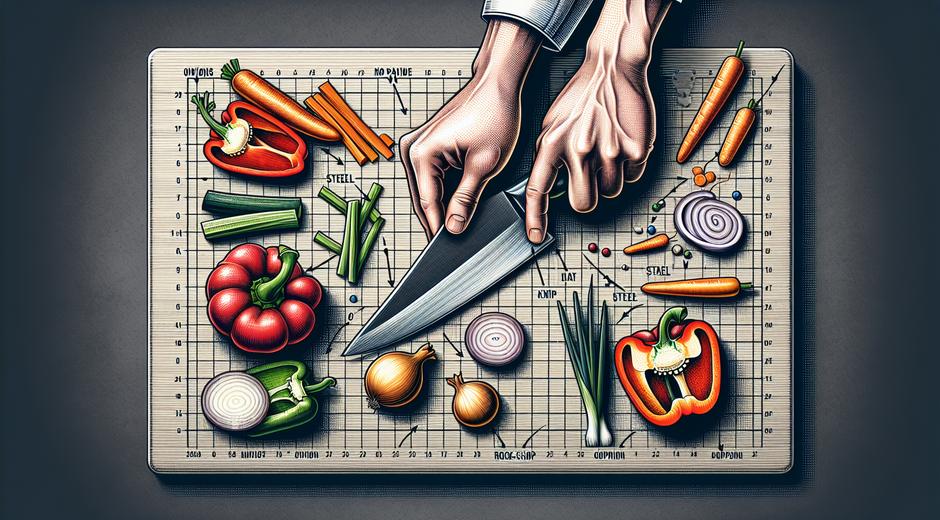
You do not need a lot of equipment to cook great produce but the right tools make a difference. Keep a sharp chef knife for clean cuts, a sturdy cutting board, and a good skillet for searing vegetables. A steamer basket or a simple pot with a lid is excellent for quick gentle cooking. Stock your pantry with quality olive oil, neutral oil for high heat, sea salt, fresh ground pepper, a variety of vinegars, and a handful of herbs. These basics let you enhance natural produce flavors without covering them up.
Techniques to Elevate Flavor
Fresh produce cooking relies on simple techniques that highlight natural taste. Here are core methods to practice.
Braising brings out concentrated flavor in heartier vegetables like carrots and beets by slow simmering them with aromatic liquids. Roasting adds caramelized sweetness and texture contrast. Try roasting a mix of seasonal root vegetables with a light drizzle of oil and a sprinkle of salt until edges are golden. Quick sautéing keeps crispness in leafy greens and tender stems. Blanching then shocking in ice water preserves color and texture for vegetables you will finish in a sautée or salad. Grilling adds complex smoke notes that complement sweet items such as peaches or corn.
Seasoning and Pairing
When seasoning fresh produce use restraint. Salt enhances natural sugars and helps draw out water so apply it thoughtfully. Acid brightens flavors so a squeeze of citrus or a splash of vinegar often makes a dish pop. Fresh herbs bring lift. Basil works wonders with tomatoes and zucchini while cilantro pairs with tomatoes and peppers in warm cuisine. Aromatics like garlic and onion form a base for many vegetable dishes. For balanced texture add something crunchy like toasted nuts or seeds.
Meal Ideas That Showcase Fresh Produce
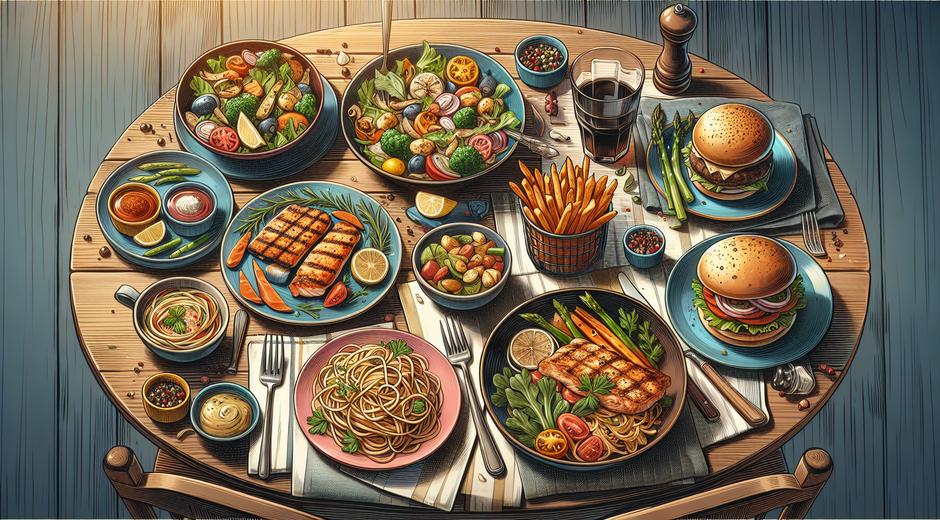
Create simple meals that celebrate produce rather than mask it. A grain bowl with roasted seasonal vegetables, a scoop of legumes, and a lemon herb dressing is comforting and nourishing. A hearty salad with mixed greens, roasted squash, toasted seeds, and a warm vinaigrette works well for a main meal. Stir fries are a fast way to combine crisp vegetables with a punchy sauce and a side of rice or noodles. For breakfast try a vegetable frittata packed with peppers spinach and fresh herbs. For dessert consider grilled stone fruit with a dollop of yogurt and a sprinkle of toasted oats.
Storage Tips to Keep Produce Fresh Longer
Proper storage helps maintain quality for home cooks who buy in bulk or like to shop weekly. Keep some items like tomatoes and stone fruit at room temperature until ripe then move to cool storage if needed. Leafy greens last longer when washed then spun dry and stored in a container lined with a paper towel to absorb excess moisture. Root vegetables store well in a cool dark place. Herbs can be treated like fresh flowers by placing stems in water with a loose bag over the leaves and storing in the refrigerator for several days. Always separate ethylene producing items such as apples from ethylene sensitive items like leafy greens to prolong shelf life.
Seasonal Planning for Balanced Menus
Design weekly menus around what is in season. Seasonal planning helps you enjoy higher value produce and encourages variety across weeks and months. Spring offers tender greens and early asparagus. Summer brings tomatoes peppers and sweet corn. Fall is perfect for squash apples and brassica. Winter provides sturdy root vegetables and citrus in many regions. Rotate through seasonal choices to keep meals exciting and to capture the best flavor each period has to offer.
Sustainable Choices and Food Waste Reduction
Fresh produce cooking can be sustainable by design. Use stems and leaves that are often discarded for stocks or pesto. Vegetable scrap broths are a pantry friendly base for soups and grains. Compost what cannot be used at home to return nutrients to soil if you have local access for that. Buying imperfect produce from local markets reduces waste throughout the supply chain and often saves money. For inspiration on local food culture and market visits you can explore resources like tasteflavorbook.com for ideas on seasonal produce uses and simple recipes that maximize yield.
Recipes That Are Easy to Master
Start with foundational recipes and then adapt them to what is fresh. A simple sautéed greens dish uses chopped garlic a splash of oil and finished with lemon. Roasted vegetables need only oil salt and moderate oven time until edges caramelize. A basic vegetable soup uses a mirepoix style base of aromatic vegetables then adds stock and simmered seasonal items. Once you master those templates you can change spices herbs and finishing touches to match cuisine preferences and what is available at the market.
Final Thoughts on Fresh Produce Cooking
Fresh produce cooking is an accessible path to healthier meals and more flavorful plates. It rewards attention to seasonality, simple techniques and thoughtful seasoning. By choosing quality produce and applying core methods you can create satisfying daily meals and memorable dishes for guests. Practice how to store ingredients and use all parts of the plant to build sustainability into your kitchen routine. If you want to explore more recipes shopping tips and seasonal guides visit resources and communities that celebrate produce based cooking to keep learning and to stay inspired.