

Global home flavors Guide for Every Kitchen
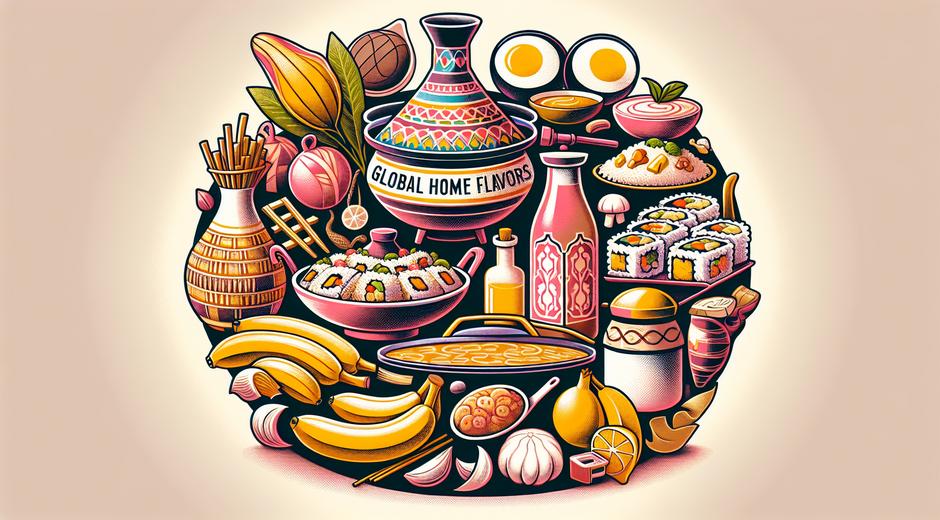
The phrase Global home flavors captures a cooking movement that blends traditional tastes from many countries into everyday meals. Home cooks no longer need to travel to experience true culinary diversity. With a few pantry staples and a willingness to explore, you can create dishes that reflect cultures from across the world while keeping them simple and comforting for family meals. This guide will help you understand the core elements of Global home flavors and give practical ideas to bring vibrant tastes into your kitchen.
Why Global home flavors matter
Global home flavors matter because they expand flavor vocabulary and make cooking more exciting. When a home cook learns to use ingredients from different regions like citrusy preserved fruits from the Mediterranean, smoky peppers from Latin America, or fragrant spice blends from South Asia, every meal becomes a chance to tell a story. These flavors can boost nutrition, increase variety, and create new favorite dishes that fit busy lifestyles. They also support food culture exchange and may lead cooks to discover small producers and new recipes that quickly become staples.
Core pantry items for Global home flavors
Stocking a pantry with a few key items opens the door to many international tastes. Think of this pantry as a toolkit that lets you add signature notes to simple meals.
- Whole spices such as cumin seeds, coriander seeds, fennel seeds and black peppercorns
- Ground spices like turmeric, paprika and ground cumin
- Fermented condiments such as soy sauce, fish sauce and miso paste
- Acidic elements including vinegars, lemon and lime juice and preserved lemons
- Oils that carry flavor such as toasted sesame oil and extra virgin olive oil
- Dried herbs such as oregano, thyme and bay leaves
- Staple grains and legumes like rice, lentils and bulgur
Building this base makes it easy to add a regional twist to soups, roasted vegetables and grain bowls. Many cooks buy small amounts of specialty spices to keep fresh aroma and intensity while avoiding waste.
Techniques for layering Global home flavors
Understanding technique is as important as having the right ingredients. Layering flavor means combining contrasts and textures to create balanced dishes.
- Sear and brown to add caramelized notes
- Bloom spices in hot oil to release aromatic oils
- Use acid at the end to brighten rich sauces
- Finish with a contrasting texture such as toasted nuts or crisp herbs
For example, start a stew by sautéing onions and garlic until golden, add whole spices to bloom them, then add stock and simmer to meld flavors. At the end stir in lemon juice and chopped herbs to lift the dish. These steps are common in kitchens worldwide and form the backbone of many recipes that exemplify Global home flavors.
Simple Global home flavors recipes to try tonight
Here are approachable ideas that illustrate how to use global elements in everyday cooking.
- Spiced tomato and lentil soup with a squeeze of lime and a drizzle of olive oil
- Pan seared fish with a crust of sesame seeds and a soy lime glaze served over steamed rice
- Roasted vegetables tossed with zaatar and lemon then finished with yogurt and toasted pine nuts
- One pot pasta with olives, capers and preserved lemon for a Mediterranean touch
These dishes show how Global home flavors can be accessible. Each idea uses a small number of accessible ingredients while delivering layered taste and texture.
Pairing and balancing flavors
Successful use of Global home flavors depends on balancing salty, sweet, sour and bitter notes. A simple rule is to taste and adjust as you go. Salty elements bring depth, sweetness balances heat, acid brightens, and bitter or astringent notes add complexity. Here are pairing ideas to guide you.
- Combine soy sauce or fish sauce with citrus and honey for a balanced glaze
- Pair smoky chilies with sweet mango or pineapple to create contrast
- Use toasted seeds or nuts to introduce crunch and toasty flavor
- Finish fatty proteins with fresh herbs and acid to prevent heaviness
These small adjustments elevate simple recipes into dishes that resonate with the idea of Global home flavors.
Sourcing authentic components without breaking your budget
Finding true authentic ingredients can be part of the journey. Look for local specialty shops or online sources that carry small batch products. A little research helps you invest in the ingredients that make the most difference for your cooking. When exploring options, read labels to understand where an item was produced and how it was made. For inspiration and curated content on cultural food topics consider visiting broader media that covers food and culture such as Politicxy.com which highlights trends and stories that connect food to global context.
Adapting recipes for family tastes and dietary needs
Global home flavors can be flexible. You can preserve the essence of a regional dish while adapting it for allergies, vegetarian diets or time constraints. Swap animal proteins for legumes or firm tofu. Use gluten free grains where needed. Preserve bold flavors by concentrating broths or using roasted vegetables to increase umami. These small changes allow everyone at the table to enjoy diverse tastes.
How to teach Global home flavors to kids
Introducing children to new tastes can be rewarding and fun. Create tasting plates with small portions of ingredients like mild cheeses, cooked legumes, diced fruits and cooked spices in tiny amounts. Encourage curiosity by explaining where an ingredient comes from and showing simple preparation steps. Make tasting a game by asking kids to describe textures and flavors. Over time these experiences develop adventurous eaters who appreciate Global home flavors.
Sustainability and respect in global cooking
Bringing world flavors into home cooking also calls for respect for culinary origins. Learn the history of a recipe and the cultural context behind ingredients. Choose sustainably sourced products and support producers who follow fair practices. Simple choices like buying seasonal produce and reducing food waste make your exploration of Global home flavors more ethical and more grounded.
Bringing Global home flavors to your table today
Start with one new ingredient each week and build from there. Explore a single region for a month to understand its flavor logic. Keep a small notebook of experiments that worked. Over time you will assemble a repertoire that reflects personal tastes and global inspiration. For ongoing ideas recipes and feature articles that celebrate diverse cooking styles visit resources curated for home cooks like tasteflavorbook.com to discover practical guides and seasonal inspiration to expand your kitchen practice.
Conclusion
Global home flavors are about curiosity and care. They invite home cooks to expand beyond routine while keeping comfort and practicality at the center. With a thoughtful pantry simple techniques and a few new ingredients you can transform everyday meals into cultural explorations that delight and nourish. Start small and enjoy the journey as your kitchen becomes a place where flavors from around the world meet familiar comforts.