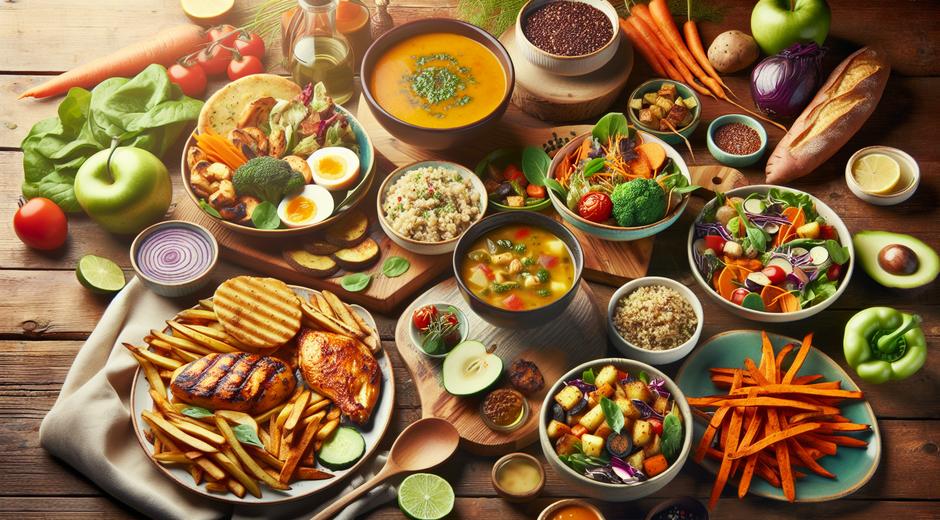


Healthy Comfort Food That Nourishes Body and Soul
Comfort food often brings memories of warmth and care. When people think of comfort dishes they may picture creamy soups rich casseroles and soft baked goods. Healthy Comfort Food takes that familiar feeling and adds nutrition purpose and balance. This guide explores how to transform classic favorites into nutrient dense meals that soothe while supporting wellbeing. For more ideas and recipes for every appetite visit tasteflavorbook.com where you can find practical tips and inspiration.
Why Choose Healthy Comfort Food
Choosing Healthy Comfort Food is not about strict rules or deprivation. It is about preserving the soul soothing qualities of comfort dishes while improving the nutritional profile. That means focusing on whole foods lean proteins fiber rich vegetables and smart cooking methods. Benefits include improved energy stable mood and better digestion. Over time swapping heavy ingredients for lighter alternatives can support weight management heart health and immune function without losing the pleasure of a cozy meal.
Core Principles for Healthy Comfort Food
Start with a simple framework that keeps comfort and health in balance. Use these principles when adapting recipes or creating new meals.
- Choose whole ingredients over highly processed items
- Add vegetables for color texture and fiber
- Prioritize lean proteins such as poultry fish legumes and tofu
- Replace refined grains with whole grains like brown rice quinoa or barley
- Use herbs and spices to boost flavor without excess salt
- Opt for healthy fats from olive oil avocado nuts and seeds
- Control portion sizes while enjoying every bite
How to Make Classic Comfort Dishes Healthier
Comfort meals can be reimagined with minimal effort. Here are step by step swaps that preserve taste and texture while improving nutrition.
Mashed potatoes are classic. Make them with a mix of potatoes and cauliflower to reduce calories and add fiber. Use olive oil or a small amount of Greek yogurt instead of large amounts of butter and cream to create a creamy mouthfeel with better fat quality.
Macaroni and cheese can stay indulgent without excess processed cheese. Choose whole grain or legume based pasta and make a sauce from pureed butternut squash or cauliflower blended with a small amount of real cheese and mustard for tang. Add roasted vegetables for color and nutrient boost.
Chicken pot pie can be remade as a pot bake with a whole grain crust or a simple vegetable topping. Increase the ratio of vegetables to sauce and use a light roux or cornstarch slurry instead of heavy cream to thicken. Baking rather than deep frying keeps textures satisfying without extra oil.
Five Easy Healthy Comfort Food Recipes to Try
Below are five adaptable recipes that combine comfort and health. Each one is flexible so you can tailor ingredients to seasonal produce and personal preferences.
- Hearty Lentil Stew Cook lentils with carrots celery tomatoes and herbs simmer until tender. Finish with a splash of balsamic vinegar for brightness. Serve over brown rice or with crusty whole grain bread.
- Oven Baked Salmon with Creamy Herb Sauce Roast salmon fillets tossed in olive oil lemon and pepper. Make a sauce from Greek yogurt chopped herbs and lemon zest. Pair with roasted sweet potatoes and steamed greens.
- Vegetable Shepherds Pie Use a base of lentils mushrooms and diced vegetables in a light tomato gravy. Top with a mixed root vegetable mash and bake until golden. This is full of fiber and plant protein.
- One Pot Chicken and Farro Sear seasoned chicken thighs then simmer with farro broth mushrooms and spinach until the grain is tender. Finish with a sprinkle of Parmesan or nutritional yeast.
- Warm Fruit Crumble Toss apples or pears with cinnamon and a touch of maple syrup. Top with oats chopped nuts and a small amount of coconut oil. Bake until bubbly and serve with a spoonful of ricotta or yogurt.
Meal Planning Tips for Comfort and Health
Meal planning helps keep comfort meals aligned with health goals. Try these strategies to save time and make mindful choices.
- Batch cook staples such as whole grains legumes and roasted vegetables
- Prep sauces and dressings in advance to add fast flavor
- Keep a list of favorite swaps for quick reference when you crave comfort food
- Plan one classic comfort meal per week with healthier ingredients so satisfaction does not lead to overindulgence
- Use seasonal produce to keep dishes fresh and budget friendly
Pairing Comfort Food with an Active Lifestyle
Healthy Comfort Food supports an active lifestyle when portion sizes and macronutrient balance are considered. Meals that include protein complex carbohydrates and healthy fats help recovery energy levels and muscle maintenance. For athletes and active people finding comfort meals that replenish glycogen and provide anti inflammatory nutrients is important. Explore expert guidance on performance nutrition and recovery strategies at SportSoulPulse.com where you can learn how to sync comforting meals with training demands.
Mindful Eating and Emotional Satisfaction
Comfort food often fills an emotional need. Mindful eating practices enhance satisfaction and reduce the tendency to overeat. Try these simple steps.
- Pause before you eat and notice your level of hunger
- Savor each bite by chewing slowly and appreciating flavors
- Choose a small portion and wait a few minutes to assess fullness
- Include a balance of textures and temperatures to enhance enjoyment
- Share meals with loved ones to boost feelings of connection
Common Questions About Healthy Comfort Food
How do I keep comfort meals simple during a busy week The key is to focus on one pot or sheet pan recipes that require minimal hands on time. Use time saving tools such as pressure cookers and slow cookers to deepen flavor without extra effort.
Will healthier swaps ruin the taste Not usually. Small changes like using roasted garlic for depth reducing salt but increasing herbs and adding a splash of acid can preserve deliciousness while improving nutrition.
Can I still enjoy desserts Yes. Choose desserts that use whole fruit nuts oats and moderate amounts of natural sweeteners. Portion control and mindful enjoyment make dessert a positive part of a healthy eating plan.
Conclusion
Healthy Comfort Food brings balance to the table. It allows you to enjoy the familiar textures and flavors that soothe while supporting long term health. By using whole ingredients leaning on vegetables and choosing mindful cooking methods you can create meals that comfort and nourish. Whether you are looking for weeknight solutions or weekend treats this approach makes comfort food a sustainable part of a healthy lifestyle.
For ongoing ideas meal plans and seasonal recipes visit our collection at tasteflavorbook.com and explore tips for combining comfort food with performance and recovery at SportSoulPulse.com.