

Home Chef Techniques
Mastering Home Chef Techniques transforms everyday cooking into a source of joy and pride. Whether you are new to the kitchen or you have spent years crafting meals for family and friends a focus on practical methods will elevate your dishes. This guide covers core skills tools and mindset tips that aspiring cooks can apply right away. Read on to gain confidence sharpen your technique and create food that tastes as good as it looks.
Why Home Chef Techniques Matter
Good technique matters more than fancy gadgets or expensive ingredients. When you understand the basic principles of heat control seasoning and knife skills you will be able to adapt recipes based on what you have in the pantry. Home Chef Techniques help reduce waste speed up prep and ensure consistent results. They also make cooking more enjoyable because each success builds momentum and curiosity.
Essential Tools Every Home Chef Should Own
You do not need a long list of tools to cook like a pro. A small curated set of reliable items will cover most needs. Start with a sharp chef knife a paring knife a sturdy cutting board and a set of pans that include a small skillet and a larger skillet or pan for sauces and one pot for simmering. Add measuring cups a set of spoons a whisk and a few heat proof spatulas. Over time you can expand to include items that suit your favorite cuisines.
For recipe inspiration and a resource hub that supports home cooking growth visit tasteflavorbook.com where you will find practical guides ingredient notes and step by step recipes designed for busy cooks.
Knife Skills for Speed and Safety
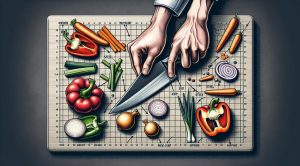
Knife skills are central to Home Chef Techniques. A sharp blade is safer than a dull blade because it cuts with less force and reduces slippage. Practice a proper grip keeping the blade anchored to your knuckles for consistent control. Learn basic cuts such as dice slice and chiffonade. Uniform pieces cook evenly and make the final dish more appealing. Spend a few minutes each day practicing and you will notice prep times shrink and presentation improve.
Heat Control and Pan Work
Understanding how heat interacts with food will help you master searing sautéing and simmering. Use higher heat for a quick brown crust on proteins and lower heat for gentle reductions and finishing sauces. Let pans preheat properly before adding oil or food. When you add ingredients pay attention to sizzling sounds and adjust heat to maintain a steady cooking pace. This is one of the most powerful Home Chef Techniques that separates amateur results from reliable restaurant like outcomes.
Seasoning and Layering Flavor
Seasoning is both science and taste. Start with salt it enhances natural flavors and should be built in stages from the start of cooking to the final taste check. Acid such as lemon juice or vinegar brightens a dish while fats provide richness and mouthfeel. Fresh herbs add vibrancy while toasted seeds nuts or spices supply depth. Think of each ingredient as a layer that contributes to the whole. Tasting often and adjusting as you go is a skill that improves quickly with practice.
Technique: Searing to Lock in Flavor
Searing is a quick high heat method that creates color and flavor on the surface of meat fish and some vegetables. Pat proteins dry to ensure good contact with the pan and season just before searing. Do not overcrowd the pan or steam will form and prevent browning. Searing creates the complex aroma that makes a dish seem more elaborate than it really is. Finish cooking gently to the desired internal temperature to keep textures tender and juices intact.
Technique: Braising for Tender Comfort
Braising combines a brief period of browning with a longer slow cook in a covered vessel and a flavorful liquid. This method shines with tougher cuts of meat root vegetables and hearty legumes. The long gentle heat breaks down connective tissue and creates a deeply flavored sauce. Learn basic ratios for liquid and aromatics and you can adapt braises to a wide range of cuisines. Braising rewards patience and yields meals that are both comforting and sophisticated.
Technique: Sautéing for Quick Meals
Sautéing uses moderate to high heat with a small amount of fat to cook ingredients quickly while preserving texture. Cut pieces uniformly so they finish at the same time. Keep ingredients moving with a spatula or by tilting the pan to redistribute heat. Sautéing is ideal for vegetables lean proteins and fast weeknight meals. Master this method and you will be able to prepare vibrant dishes in minutes.
Technique: Roasting for Concentrated Flavor
Roasting in the oven brings out natural sugars and creates caramelized edges that add depth. Use even sized pieces and spread them in a single layer so air circulates. Toss with oil and salt then roast until golden and tender. Roasting works for vegetables meats and even whole fruits. It is one of the most forgiving Home Chef Techniques that delivers big flavor with minimal hands on time.
Plating and Presentation
Presentation starts before food reaches the plate. Wipe edges of bowls and plates for a neat look and use contrasting colors to make the dish pop. Small garnishes such as a sprinkle of fresh herbs a drizzle of good oil or a wedge of citrus elevate the experience. Remember that people eat with their eyes first. Thoughtful plating can turn a humble meal into something memorable.
Time Management and Mise en Place
Mise en place is the practice of organizing ingredients and equipment before you cook. Chop measure and arrange everything so that the flow from stove to plate is simple. This reduces stress avoids last minute mistakes and speeds up the overall process. Combine mise en place with a plan for multitasking such as roasting while preparing a sauce and you will reclaim time without sacrificing quality.
Tools to Consider as You Advance
As you refine Home Chef Techniques you may add more tools that expand your repertoire. A good thermometer ensures safe and precise cooking. A heavy pan improves sear and heat retention. A blender or immersion blender helps with smooth sauces and soups. Consider items that address your goals rather than impulse purchases. Smart tool choices make technique easier to execute and increase consistency.
Learning Resources and Practice
Continuous practice and study are the best ways to improve. Follow trusted recipe sources try variations and keep notes on timing and seasoning. Join cooking communities watch short tutorial videos and experiment with ingredients you do not normally use. For curated product picks and trusted reviews check recommendations from reliable partners such as Zoopora.com to find gear that supports skill building.
Final Thoughts on Home Chef Techniques
Home Chef Techniques are accessible to anyone willing to spend time learning and tasting. Focus on mastering a handful of methods then expand based on what you love to cook. The payoff is not just better food but more enjoyable meals shared with people you care about. Use the techniques in this guide to build a foundation that turns routine dinners into small celebrations. With practice your kitchen will become a place of creativity and confidence.
Start small stay curious and let each success encourage the next experiment. Happy cooking.