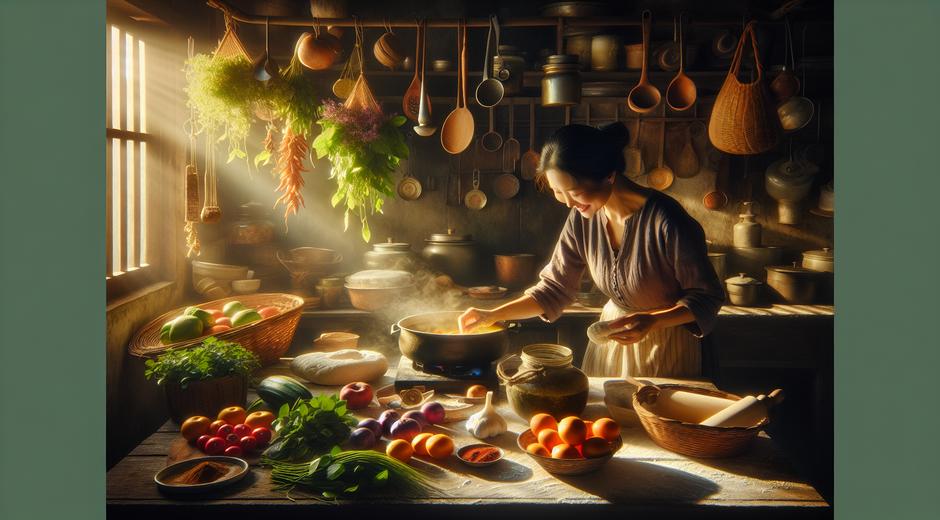


Home Kitchen Rituals: Create Nourishing Routines That Transform Daily Cooking
Why Home Kitchen Rituals Matter
Home Kitchen Rituals are more than a series of tasks. They shape how we relate to food and to each other. When you turn cooking into a ritual you slow the pace and bring intention to preparation, eating, and cleanup. That intention can improve mood, boost health outcomes, and create memories that last from one season to the next. For anyone who wants to cook with more presence the smallest adjustments in routine make the biggest difference.
Principles Behind Lasting Rituals
Rituals work because they are repeated with purpose. A good kitchen ritual includes three elements: consistency, simplicity, and delight. Consistency helps create habit. Simplicity removes friction so the ritual is sustainable. Delight keeps you coming back. Build rituals around natural parts of your day such as waking, returning from work, or gathering for a meal. Over time these rituals anchor your food life so cooking becomes less a task and more a nourishing practice.
Morning Rituals to Start the Day Intentionally
Start with small morning rituals that set a calm tone. One simple approach is to begin with water and light prep. Pour a glass of water with a wedge of citrus. While the kettle heats tidy one small area of the counter. Wash a single dish from last night so the sink looks inviting. These tiny wins send a message to your brain that your kitchen is a place of care.
Another morning ritual is mise en place for breakfast. Lay out your bowl, spoon, and a cloth. Assemble ingredients for a quick warm grain bowl or smoothie. Preparing these items in advance saves decision energy and invites you to eat nourishing food without stress. If you want ideas or recipes to match your morning habits check resources like tasteflavorbook.com for inspiration and simple menus.
Midday Rituals for Energy and Focus
Midday rituals help maintain focus and energy. A short ritual can be as simple as a five minute tea break with a timer. Choose a cup you love and steep a mindful blend. Use the pause to breathe and scan how your body feels. If you work at home consider a light prep ritual that makes dinner easier. Chop one vegetable, marinate a protein, or heat a batch of grains to use for later. These acts reduce evening chaos and make healthy dinners more likely.
Evening Rituals to Wind Down and Nourish
Evening rituals are where Home Kitchen Rituals become family traditions and personal comfort. Designate a guided sequence that turns meal time into a ritual. For example, set the table with a cloth or placemats, light a candle or play a short playlist, and invite everyone to wash hands together. When you pair food with a small set of gestures the meal feels important even on ordinary weeknights.
Another powerful evening ritual is communal cooking. If you live with others create roles so cooking is shared. Even young children can rinse herbs or tear lettuce. Shared tasks reduce burden on one person and build a sense of teamwork. If you are solo cooking create a ritual of gratitude before serving. Take a deep breath and name one thing you appreciate about the day. Rituals like this make each bite more meaningful.
Weekly Rituals for Planning and Prep
Incorporate weekly rituals to keep the kitchen in flow. Choose one day to plan meals, compile a shopping list, and do prep work. This could include batch cooking grains, roasting a tray of vegetables, or making a jar of pickled onions. These acts shorten weekday cooking and make healthy choices automatic. Treat this time as a ritual rather than a chore. Put on music, open a window for fresh air, and move mindfully as you work.
For many households a weekend ritual becomes the anchor for the whole week. Set aside an hour to review schedules and align menus with activities. If you prefer digital planning use a simple checklist app or a paper calendar kept in the kitchen. Resources that offer seasonal recipes and menus can be helpful when you need fresh ideas. Visit trusted recipe collections such as TasteFlavorBook.com to discover recipes suited to your weekly rhythm.
Rituals Around Sourcing and Storing Food
Sourcing and storing practices can become quiet rituals that shape quality and waste. Make a ritual of shopping intentionally. Bring a reusable bag, shop for what looks vibrant and smells fresh, and buy a few ingredients you have not used before. Back at home treat storage as part of the ritual. Label jars with dates, portion leftovers into meal sized containers, and arrange your fridge so the most perishable items are front and center.
Another helpful ritual is a weekly inventory. Before you shop open the fridge and pantry and note what needs using. This reduces duplicate purchases and encourages creativity. With small rituals like this you build a kitchen that supports your goals whether they are health or saving time.
Tools and Habits to Support Your Rituals
Rituals are easier when your space and tools are set up for success. Keep essential items within reach and designate a spot for frequently used utensils. A few reliable tools remove decision fatigue. A good knife, a wooden spoon, and one versatile pot go a long way. Clean as you cook to preserve the flow of your ritual. When cleanup is part of the process rather than the end you maintain momentum and enjoy the satisfaction of a tidy space.
Habits also matter. Commit to one ritual at a time rather than trying to change everything. When a ritual becomes second nature add another. Track small wins with a simple checklist or a note on the fridge. Over weeks and months these small practices compound into a meaningful kitchen life.
Mindful Eating as a Food Ritual
Eating itself can be ritualized. Turn off screens for the duration of a meal. Notice the colors textures and aromas. Chew slowly and pause between bites. Invite conversation if you share the table. These adjustments transform nourishment into a full sensory experience. Mindful eating can improve digestion and deepen enjoyment so you feel satisfied with less food.
Adapting Rituals to Your Lifestyle
Every household looks different. Rituals should be flexible and adaptable. If you travel often build rituals that travel with you, such as a morning tea ritual or a five minute tidy routine. If you have limited time focus on rituals that reduce stress like a simple prep step or a one pot dinner plan. The goal is not perfection. The goal is rituals that support wellbeing and taste rather than add pressure.
How to Start Today
Beginning is simple. Choose one small ritual for the next seven days and commit to doing it each day. It could be washing one dish after every meal, planning one meal ahead, or lighting a candle for dinner. Notice how it changes the experience of cooking and eating. If you want inspiration and seasonal recipes to match your new rituals explore curated collections at sites that celebrate food culture and practical tips. A resource hub can help you find recipes that fit your time and taste, while offering ideas for rituals you might enjoy.
Conclusion
Home Kitchen Rituals reconnect you to food pleasure community and rhythm. They do not need special ingredients or a lot of time. With intention small acts transform ordinary cooking into a source of calm and creativity. Start small stay consistent and invite delight into the process. Over time your kitchen rituals will shape a food life that feels nourishing and sustainable.