

Ingredient Pairing Guide That Transforms Everyday Cooking
Ingredient Pairing is the art and science of combining foods in a way that enhances flavor balance texture and aroma. Whether you are a home cook or a professional chef understanding how ingredients interact will lift your dishes from good to memorable. This guide explores the principles behind successful ingredient pairing gives practical examples and offers tips you can use in the kitchen today.
Why Ingredient Pairing Matters
Ingredient Pairing matters because it influences how flavors are perceived. Taste is complex and depends on the interplay of sweet salty sour bitter and umami. Texture aroma and temperature also shape the eating experience. When two ingredients pair well they amplify positive qualities and minimize any discord. Great pairing makes a dish feel cohesive and satisfying.
Beyond taste a smart pairing strategy can help you use ingredients more efficiently reduce food waste and experiment with confidence. Learning pairing principles also helps with menu planning beverage matching and adapting recipes to what you have on hand.
Core Principles of Ingredient Pairing
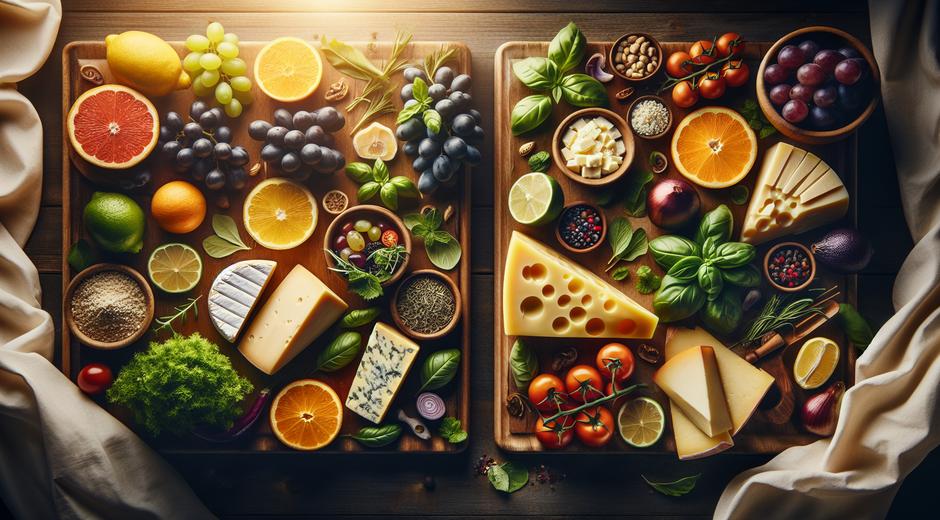
1. Complementary flavors: Pair ingredients that share similar flavor notes. For example creamy cheeses and honey both offer a mellow sweetness that works well together.
2. Contrasting elements: Balance richness with acidity or salt with sweetness. A bright vinaigrette can cut through fatty protein creating harmony.
3. Shared aroma compounds: Some ingredients pair well because they contain similar volatile compounds. For instance strawberries and basil share esters that make their combination feel naturally right.
4. Textural balance: Think beyond flavor. Add crunch to a soft dish or a silky sauce to a crisp protein. This contrast keeps every bite interesting.
5. Cultural context: Classic combinations from global cuisines are often proven through generations. Exploring those can teach reliable pairing rules.
Ingredient Pairing Techniques You Can Use Now
Experiment with one principle at a time. Here are simple techniques that yield big results.
– Build bridges with herbs: A handful of fresh herbs can link main components. For example parsley can lift roasted fish while mint brightens lamb.
– Use acid to lift: A squeeze of lemon or a splash of vinegar brightens stews and balances fat.
– Add one aromatic to define: Toasted spices like cumin or fennel seed will steer the entire dish in a clear direction.
– Match cooking methods to ingredients: Grilling brings smoke that pairs with honey or citrus. Poaching preserves delicate flavors so pair with gentle herbs.
Classic Ingredient Pairings and Why They Work
Tomato and basil: Tomatoes are high in natural acidity and umami while basil offers sweet aromatic notes. Their shared volatile compounds make this a classic.
Pork and apple: Pork has natural sweetness and mild fat. Apples add bright acid and a complementary fruity note.
Chocolate and coffee: Both share roasted aromatic compounds which deepen flavor when combined.
Citrus and seafood: Acid from citrus brightens and cuts through ocean flavors creating a clean finish.
Mushrooms and thyme: Earthy mushrooms and resinous thyme both occupy the same savory space creating depth without conflict.
Pairing by Flavor Family
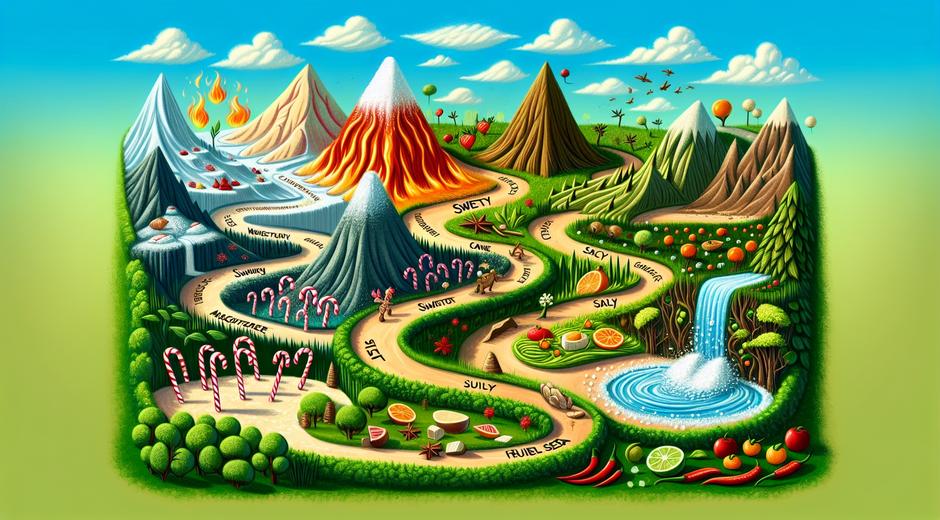
Grouping ingredients by dominant flavor families helps create new pairings.
Sweet: Fruits certain vegetables and some root crops. Sweet ingredients can be balanced by acid or salt.
Sour: Citrus vinegars fermented elements. Sour works as a brightener and a binder for complex flavors.
Salty: Cured items soy sauce sea salt bring out umami and contrast with sweetness.
Bitter: Leafy greens dark chocolate and certain herbs. Bitterness can be softened with fat or paired with bright sweet elements.
Umami: Aged cheeses mushrooms soy and tomatoes. Pair umami rich elements with mild starches or sweet components to amplify savory depth.
Ingredient Pairing for Different Cuisines
Italian: Think tomato garlic olive oil herbs and aged cheese. Pairings focus on fresh aromatic balance and savory depth.
Japanese: Subtle umami elements like kombu miso and soy are paired with fresh seasonal produce. Clean textures are prized.
Mexican: Bold spices chiles corn beans and citrus create vibrant layers. Pairings emphasize contrast and texture.
Middle Eastern: Herbs spices citrus and nut pastes like tahini create complex savory and sweet interactions.
Practical Pairing Examples for Everyday Meals
Weeknight salad: Combine roasted beets goat cheese walnuts and a citrus vinaigrette. Beef up texture and balance with sweet and acidic notes.
Pasta night: Pair a rich ragout with a squeeze of lemon and fresh parsley to lift the sauce and add aromatic clarity.
Simple fish plate: Serve pan seared fish over a bed of sautéed spinach with a lemon caper sauce for acid and brininess that complements the fish.
Vegetarian bowl: Roast sweet potato chickpeas and kale then finish with tahini lemon dressing and toasted seeds for cream contrast and crunch.
How to Use Ingredient Pairing When You Have Limited Items
Start with what you have and identify the dominant taste. Is it fatty is it acidic is it sweet? Then choose one balancing element and one texture element. For example if you have a fatty protein add an acidic component like vinegar or citrus and a crunchy element like toasted nuts. This three part approach transforms leftovers into composed meals.
Ingredient Pairing and Beverage Matching
Pairing drinks follows many of the same rules. Match weight with weight so a full bodied dish pairs with a fuller wine or beer. Use acidity to refresh the palate and sweetness either to complement or to balance spicy foods. When in doubt a crisp dry beverage will often cut through richness and bring clarity.
Testing and Evolving Your Palate
Taste intentionally. Start with small adjustments and compare. Keep a notebook of pairings that surprised you. Over time patterns will emerge and you will gain confidence to invent new combinations.
Ingredient Pairing is part technique part experimentation. The more you practice the easier it becomes to spot a winning combination before you start cooking.
Resources and Next Steps
If you want to explore more recipes and pairing ideas visit tasteflavorbook.com for curated guides and seasonal suggestions. Practical examples and step by step builds make it simple to apply principles at home.
For inspiration from other lifestyle categories consider checking a partner resource that showcases curated home ideas and design tips at MetroPropertyHomes.com which pairs well with culinary content for entertaining and hosting.
Final Thoughts
Mastering Ingredient Pairing unlocks creativity and leads to more enjoyable meals. Focus on balance contrast and shared flavor notes. Use texture aroma and cooking method as tools. Keep experimenting and documenting results. With time you will build an intuitive sense for which ingredients pair well and why. That knowledge will empower you to cook with freedom and create dishes that resonate with anyone sitting at your table.