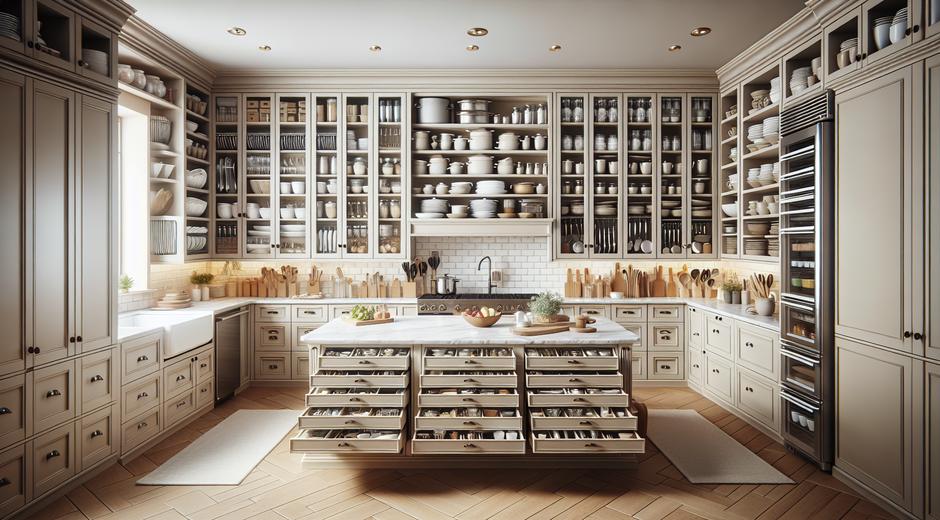


Kitchen organization: The Ultimate Guide to a Streamlined Cooking Space
An organized kitchen transforms the way you cook eat and store food. Good Kitchen organization saves time lowers stress and helps you make better use of ingredients. Whether you have a roomy chef style kitchen or a compact apartment nook the right plan will unlock more ease and more joy in daily life. For ideas on recipes and tools that pair well with a tidy space visit tasteflavorbook.com and explore tips that match your style.
Why Kitchen organization matters
Kitchen organization matters beyond neatness. It improves safety reduces food waste and speeds up meal prep. When every item has a place you spend less time searching and more time cooking. A clear layout also makes cleaning faster which keeps surfaces hygienic. For families the right organization supports routines and reduces daily friction around meals and snack time.
Start with a plan
Before buying containers or racks take a moment to plan. Walk through a typical cooking session and note what you use most and where bottlenecks appear. Identify hot zones such as near the stove and sink and cold zones such as the fridge and freezer. Measure cabinet depth and shelf height so that new storage fits without surprises. Prioritize changes that will have the biggest impact on speed and ease.
Create functional zones
Design your kitchen around function. Common zones to create
- Cooking zone near the stove with pots pans utensils and oils
- Prep zone with cutting boards knives bowls and small appliances
- Cleaning zone near the sink with dish supplies trash and recycling
- Pantry zone for dry goods snacks and bulk items
- Cold storage for perishables in the fridge and freezer
- Service zone for plates glassware and serving tools
Group items by task rather than by type alone. For example keep spatulas and tongs near the stove even if you have a separate drawer for measuring spoons. This task based approach makes workflows smoother.
Optimize pantry and cupboard storage
Pantry organization starts with decluttering. Toss expired items then group similar foods together such as grains legumes baking items and snacks. Use clear containers for staples so you can see remaining quantities at a glance. Stackable containers make use of vertical space and keep packages tidy. Reserve eye level shelves for frequently used items and lower shelves for large bulky containers.
Consider lazy Susan trays for corner cabinets and pull out shelves for deep cupboards. Clear labeling speeds up retrieval and reduces duplicate purchases. Labels can be simple and consistent so that every family member knows where things belong.
Organize the fridge and freezer
Fridge organization helps extend freshness and reduce waste. Store raw meat on the lowest shelf to prevent cross contamination. Use drawers for produce and adjust humidity settings when available. Keep dairy items together and place ready to eat foods at eye level. Use clear bins to corral small items such as condiments and snack packs.
In the freezer use flat stacking to maximize capacity and label packages with date and contents. Rotate older items to the front to ensure they are used first. A small whiteboard on the door or a simple list helps track meal ready items at a glance.
Make drawers work harder
Drawers can be a major asset if organized with intent. Use dividers for utensils and adjustable trays for small tools. Reserve one drawer for prep tools such as peelers graters and measuring cups. Keep a junk drawer to a minimum by clearing it regularly and relocating items that do not belong in the kitchen.
Deep drawers are ideal for pots and lids. Store lids vertically with a rack or in a shallow bin to avoid clutter. Nest pots by size and keep daily fry pans in the most accessible spot.
Small kitchen tips that pack big impact
Small kitchens require clever use of every inch. Vertical storage is your ally. Install hooks to hang mugs pots and pans. Use the back of cabinet doors for spice racks or small tools. Slim rolling carts can stash baking sheets or pantry goods and slide out when needed. Choose multi function appliances that save counter space and consider fold away surfaces for extra prep area when guests arrive.
Choose the right storage products
Not all storage feels equal. Favor durable clear containers for bulk goods and airtight options for items that lose crispness. Drawer dividers that adjust to fit are more useful than fixed trays. Magnetic strips for knives free up counter space and increase safety. If you are shopping for new organizers search for products that match your cabinet dimensions and that are easy to clean.
If you want a curated selection of storage items check the curated catalog at Chronostual.com for ideas that combine style and function. Choosing organizers that match the look of your kitchen will encourage consistent use and make the space feel cohesive.
Labeling and maintenance routines
Labels are a cornerstone of lasting organization. Use the same label style across the kitchen for a tidy appearance. Include the name of the item and the purchase or open date for perishable goods. Set a weekly tidy session to return items to their home wipe surfaces and check for expired foods. A quick daily reset of five minutes keeps clutter from reappearing and helps maintain a calm functional kitchen.
Meal prep and grocery planning support organization
Meal prep benefits from clear storage and prep zones. Keep meal prep containers and lids together and store them near the food prep zone. Pre portion snacks and ingredient kits for easy weekday meals. Use a running grocery list that is stored in the kitchen so it is easy to add items as they run low. When planning shopping think about packaging that stores well in your current setup to avoid overhauling the pantry after every shop.
Safety and hygiene tips
Organized kitchens are safer kitchens. Keep sharp tools stored safely and out of reach of small children. Ensure heavy items are on lower shelves to prevent injury. Clean spills promptly and have a designated cloth or sponge for each task. Regularly check for leaks or mold that can hide behind appliances and replace outdated containers that no longer seal properly.
Measure results and tweak for life
After you implement changes give the new arrangement a trial period. Pay attention to what still feels slow and which items are not being used. Small tweaks over time will produce an optimized flow that matches how you cook and how your household functions. Periodic audits help maintain order and prevent clutter from creeping back in.
Final thoughts on Kitchen organization
Strong Kitchen organization is a mix of planning smart storage and simple daily habits. Start small focus on high impact areas and build routines that support the system. By creating zones optimizing storage and choosing durable organizers you will spend less time searching more time creating and enjoy a kitchen that serves your lifestyle. Return to this guide when you need fresh ideas and remember that consistent small changes deliver big rewards over time.