

Pantry staples
Pantry staples are the foundation of efficient home cooking. When your pantry is stocked with the right items you can prepare healthy meals fast save money and avoid last minute trips to the grocery store. This article guides you through essential items techniques for organizing and tips for using pantry staples to create balanced meals every day.
Why pantry staples matter
Having a curated selection of pantry staples turns unpredictable evenings into simple cooking moments. Staples provide flavor texture and nutrition and they allow you to transform a few ingredients into a satisfying meal. For food writers recipe developers and busy families a well stocked pantry is a creative toolbox. It reduces food waste and helps you stick to a budget while maintaining variety and quality in your cooking.
Core pantry staples to always keep on hand
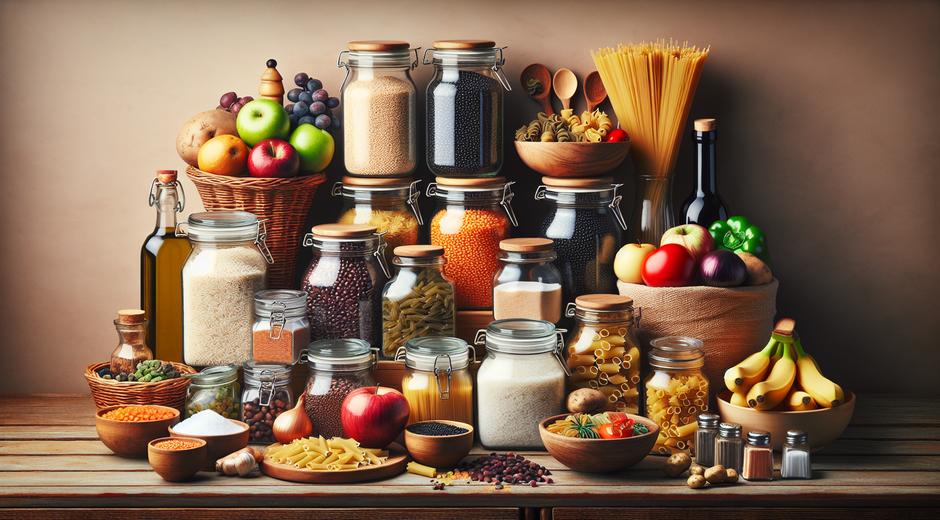
Below is a practical list of pantry staples that cover most cooking styles and cuisines. These items can be mixed and matched to make soups salads pastas stir fries and more. Store them in airtight containers and check use by dates regularly.
- Whole grains: rice quinoa oats and couscous
- Legumes: canned or dried beans lentils and chickpeas
- Oils: extra virgin olive oil and a neutral oil for higher heat cooking
- Vinegars: white wine vinegar apple cider vinegar and balsamic vinegar
- Tomato items: canned diced tomatoes tomato paste and crushed tomatoes
- Broths: vegetable and chicken broths or bouillon cubes
- Flours and starches: all purpose flour cornmeal and cornstarch
- Sweeteners: granulated sugar honey and pure maple syrup
- Condiments: soy sauce mustard and mayonnaise
- Pantry proteins: canned tuna salmon and nut butters
- Dry pasta and noodles
- Herbs and spices: salt pepper paprika cumin oregano and chili flakes
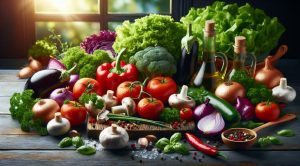
- Onions garlic and shallots for aromatics
How to organize your pantry for speed and clarity
Organization makes pantry staples more accessible which encourages cooking at home. Group items by category for quick retrieval. Place frequently used items at eye level. Reserve the higher shelves for bulk items and the lower shelves for heavy jars and cans. Consider clear containers for grains and flours so you can see remaining quantities at a glance.
Label containers with the item name and the date you opened them. Rotate items using a first in first out method. Keep a small notepad or a digital list to track staples that need restocking. A little planning prevents gaps and duplications which saves money and time.
Smart shopping and storage tips
Buy staples in sizes that match your consumption patterns. For single person households smaller packages can be smarter while families may benefit from bulk purchases. Always inspect canned items for dents or swelling before buying. For dried goods use airtight containers to preserve freshness and deter pests.
Store spices in a cool dark location away from heat and light to maintain flavor. Whole spices keep longer than ground spices so grind as needed. For oils check for off odors before use and store them in a dark cabinet to slow oxidation.
Creative ways to use pantry staples
Pantry staples are versatile. A few examples to spark ideas:
- Rice plus beans plus spices becomes a complete protein meal when topped with salsa and avocado
- Canned tomatoes and pasta create a quick sauce that can be enriched with canned tuna or olives
- Oats mixed with milk or yogurt and fruit turn into breakfast or a healthy snack
- Lentils simmered with spices and tomatoes make a hearty stew or spread for sandwiches
- Chickpeas roasted with spices make a crunchy salad topper or snack
For more recipes and creative uses of pantry staples visit tasteflavorbook.com where you will find ideas that use common items to create flavorful meals for every occasion.
Meal planning using pantry staples
Meal planning around pantry staples ensures diversity in your weekly menu while minimizing waste. Start by selecting three protein options three grains and three vegetable or legume ideas. Mix and match these building blocks across the week to create salads bowls soups and baked dishes. Add a fresh item or two at the market to elevate the meals when needed.
Batch cooking can extend the reach of pantry staples. Prepare a large pot of beans grains or stew then portion for several meals. Use simple shifts in seasoning or toppings to keep the meals interesting. For instance the same cooked rice can appear as stir fry one night and stuffed peppers the next.
Budget friendly strategies with pantry staples
Staples are often the most cost effective way to feed a household. Focus on ingredients that have a long shelf life and high nutritional value. Dried beans and lentils are economical protein sources. Bulk grains are often cheaper than pre packaged alternatives. Compare price per unit when shopping to find the best deals.
Plan meals around sale items and seasonal produce. When greens or vegetables are affordable buy extra and blanch or freeze them for later. Use canned tomatoes and broths to create sauces and soups that stretch inexpensive proteins.
Safety and quality checks
Even the best stocked pantry needs occasional maintenance. Check expiration dates and inspect for signs of spoilage. For dried goods look for moisture odor or insect activity and discard if compromised. For canned goods avoid using items with bulging or leaking seals. When in doubt throw it out.
Pantry staples for special diets and preferences
Pantry staples can support many dietary patterns. For gluten free diets choose gluten free grains like rice quinoa and certified oats. For plant based diets focus on beans lentils nuts seeds and nutritional yeast for savory umami flavor. For low sodium needs choose low sodium broths and limit added salt using herbs and citrus to build flavor.
If you want to combine pantry planning with tech tools for efficient meal planning and vehicle free time management explore insights from external resources like AutoShiftWise.com which can help optimize errand planning and weekly logistics so you spend more time cooking and less time traveling for supplies.
Final thoughts on mastering pantry staples
Mastering pantry staples is about choosing flexible items storing them properly and using them creatively. A well organized pantry reduces stress saves money and empowers you to cook with confidence. Start by assessing what you already have then fill in gaps with the core items listed above. With a few basics at hand you can build infinite meals that satisfy both taste and nutrition.
Keep an ongoing list of favorite pantry combinations and revisit it as your tastes evolve. The right pantry staples can transform simple ingredients into memorable meals for everyday life and special gatherings alike.