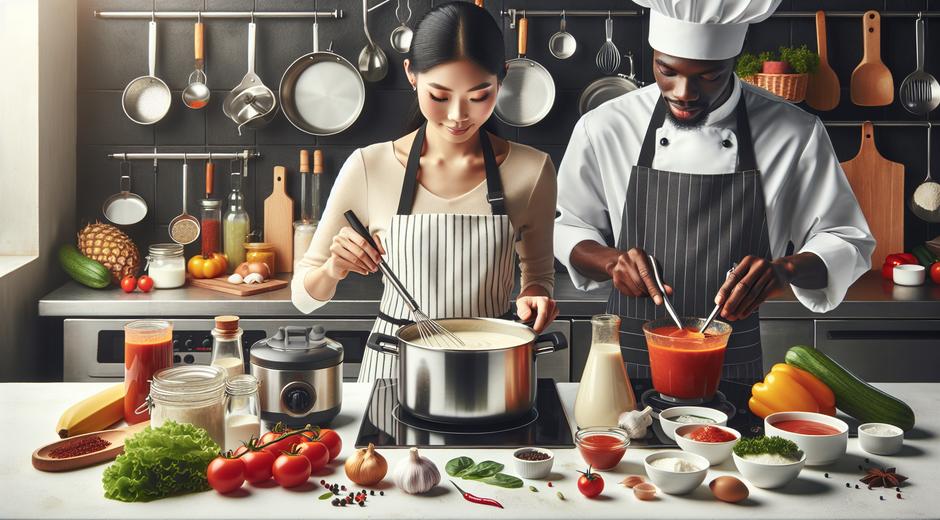


Sauce Mastery: Elevate Every Dish with Homemade Sauces
Sauce Mastery is the skill that transforms simple ingredients into memorable meals. Whether you are a home cook aiming to impress family or a budding chef preparing for a professional kitchen, learning how to create balanced and versatile sauces will raise the flavor profile of every plate you serve. This guide explores the core techniques, essential recipes, flavor building tips and practical advice you need to practice true Sauce Mastery.
Why Sauce Mastery Matters
Sauces do more than add moisture. They create contrast, tie multiple components together, bring texture and carry aromatic notes that deepen the overall taste. Mastering sauces gives you control. You can lighten a rich dish with a bright vinaigrette or add depth with a slow reduced stock. Good sauce skills also encourage creativity. A base technique can become the blueprint for dozens of variations. If you want ideas and meal inspiration check trusted recipe hubs like tasteflavorbook.com for approachable recipes that build technique and confidence in the kitchen.
Core Sauce Techniques to Learn
Start with a few foundational methods that unlock many possibilities. Practice these regularly until you feel confident controlling texture and flavor.
Reduction
Reduction concentrates flavors by simmering liquids until some water evaporates. Typical liquids include stock wine tomatoes cream and vinegar. Watch carefully so you do not burn. A proper reduction will coat the back of a spoon and taste more intense than the original stock.
Emulsification
An emulsion binds two liquids that normally separate such as oil and vinegar. Classic examples include vinaigrette and mayonnaise. Slow addition of oil while whisking or blending creates a stable glossy sauce. Room temperature ingredients and steady motion are keys to success.
Roux and Thickening Agents
Roux is cooked flour and fat used to thicken many sauces from classic white sauce to gravy. Other thickeners include cornstarch slurry arrowroot and pureed vegetables. Choose the one that suits the flavor and clarity you want. For delicate sauces a light slurry retains translucency while roux gives body and a toasty note.
Pan Sauce
After browning protein the browned bits left in the pan are flavor gold. Deglaze with wine stock or even water then add butter herbs and a touch of acid to balance. This quick sauce is one of the fastest ways to add professional polish to a weeknight meal.
Staple Sauce Recipes to Practice
Turn technique into practice by mastering a handful of reliable recipes. These bases can be adapted to many cuisines.
Tomato Basil Sauce
Simple simmered tomatoes garlic olive oil and fresh basil can be made from canned or fresh tomatoes. Reduce to concentrate sweetness and season with salt and a splash of good quality vinegar or lemon juice to brighten the finish.
Classic White Sauce
A smooth bechamel is made with roux and warmed milk. Use it as a base for cheese sauces gratins and creamy soups. Season with nutmeg and white pepper if you want to preserve a light color and delicate aroma.
Brown Sauce or Demi Glace
Brown sauces start with roasted bones and vegetables reduced into a stock and then further reduced into a concentrated essence. While time intensive the result is a rich complex sauce that pairs well with beef game and robust vegetables.
Vinaigrette
Basic vinaigrette is a simple mix of oil and acid with salt and aromatics. Adjust the ratio for your taste and add mustard honey or fresh herbs to change the profile. A good vinaigrette is an instant way to lift a salad roasted vegetable or grain bowl.
Flavor Building and Balancing
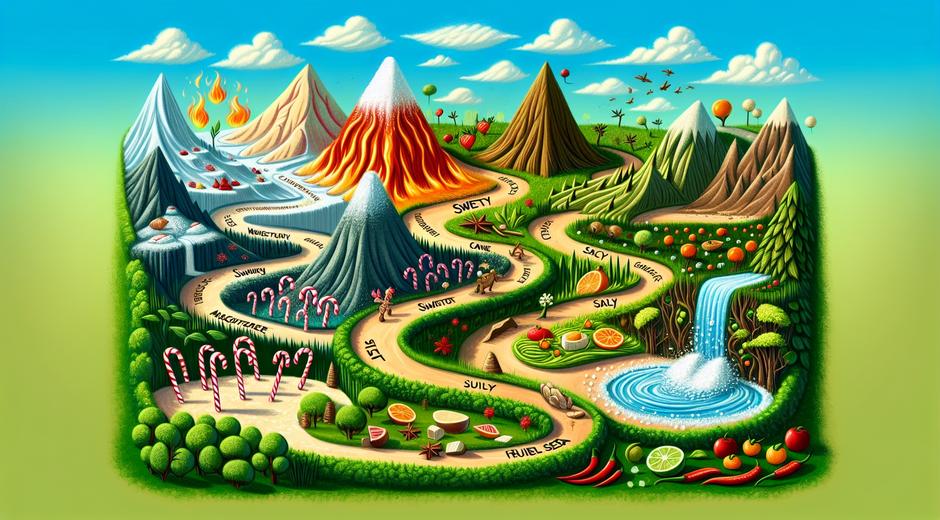
Flavor balance is at the heart of Sauce Mastery. Think in terms of four elements: acid salt fat and sweetness. Too much of any one component will throw a sauce out of harmony. Use these ideas when tasting and adjusting.
Start with Salt
Salt is the easiest lever to pull. Add in small increments tasting as you go. Salt enhances existing flavors rather than creating them so seasoning thoughtfully is essential.
Add Acid to Brighten
A splash of vinegar citrus or verjuice can wake a flat sauce. Acid lifts richness and helps separate flavors so each ingredient is clearer on the palate.
Control Fat for Texture
Fat delivers mouthfeel and helps carry flavor. Butter added at the end whitens and glazes sauces while cream provides a smooth roundness. If a sauce feels heavy add acid or a small amount of aromatic herb to balance.
Use Sweetness as a Counterpoint
Natural sweetness from vegetables fruit and some wines can balance bitter or acidic notes. Avoid overt sugar unless the recipe calls for it. A small addition often does the trick.
Storage Safety and Practical Tips
Storing sauces correctly keeps flavors intact and avoids waste. Cool quickly before refrigerating and use airtight containers. Dairy based sauces are best used within three to four days while clear stock based sauces can last longer. Freeze in small portions for convenience. Label containers with dates so you know how long they have been stored.
Reheating gently is important. Avoid boiling cream based sauces as they can break. Warm them slowly over low heat stirring frequently or use a double boiler to protect texture.
Sauce Mastery for Different Cuisines
Once you master basic principles applying them across cuisines opens many doors. Italian sauces rely on olive oil tomatoes and herbs. French technique emphasizes mother sauces and careful balance. Asian sauces often use fermentations like soy fish sauce and pastes that bring umami and complexity. Latin American sauces showcase chiles citrus and toasted seeds. Learning the primary flavor components of each cuisine lets you create authentic yet personal variations.
For inspiration on global flavor combinations and style guides consider visiting an external resource like StyleRadarPoint.com which highlights culinary trends and useful pairing ideas for modern cooking.
Tools and Ingredients to Keep on Hand
Building a small dependable collection of tools and pantry items speeds up the path to Sauce Mastery. Essentials include a good chef knife whisk fine mesh strainer wooden spoon and a heavy bottom saucepan. Pantry staples that pay dividends are quality olive oil neutral oil vinegars soy sauce good stock canned tomatoes dry herbs and whole spices. Fresh aromatics such as garlic onions and citrus are inexpensive ways to boost flavor quickly.
Final Thoughts and Next Steps
Sauce Mastery is reachable with focused practice and curiosity. Start by learning a few techniques then build a short list of go to sauces you can prepare without thinking. Taste critically and learn to adjust seasonings. As you become comfortable experiment with texture and ingredients keeping the fundamentals of balance in mind. With time you will rely on sauces not as an afterthought but as a central part of your cooking identity.
Make a habit of practicing one new technique each week. Keep notes on what worked and what you changed. Over months you will accumulate a personal library of sauces that match your taste and the meals you love to serve. Happy cooking and may your culinary journey be flavorful and confident.