

Seasonal Cooking A Practical Guide to Fresh Flavor All Year
Why Seasonal Cooking Matters
Seasonal Cooking is more than a trend It is a return to eating fresh ripe produce at the peak of flavor and nutrition By choosing ingredients that are in season you support local growers reduce food miles and enjoy better taste and value Seasonal produce is often harvested at full maturity which means higher nutrient content and more intense flavor compared to out of season items that travel long distances
Health and Sustainability Benefits
When you adopt Seasonal Cooking you naturally eat a wider variety of fruits vegetables and proteins across the year This variety helps provide a broader range of vitamins minerals and phytonutrients Eating local seasonal food also lowers carbon footprint because it reduces the need for refrigerated transport and energy intensive storage Seasonal Cooking supports biodiversity and smaller farms which tend to use more sustainable practices
How to Start Planning Your Seasonal Menus
Begin by learning what grows in your region each season Make a simple chart for spring summer autumn and winter listing fruits vegetables and herbs that peak within those months Connect with a farmers market community supported agriculture program or a local produce co op Visiting a farm stand can spark new recipe ideas and help you understand how freshness changes flavor Once you know what is in season plan weekly menus around those items
Smart Shopping Tips for Seasonal Success
Choose produce that looks vibrant firm and free from soft spots Smell fruits when appropriate to check for aroma which often signals ripeness Buy slightly less perishable items first and save delicate herbs and greens for later in the week Freeze or can excess to avoid waste If you want inspiration and reliable seasonal recipes visit tasteflavorbook.com where you can find ideas for each season and practical steps to build a rotating menu
Simple Techniques to Elevate Seasonal Ingredients
The right technique can make a seasonal ingredient sing Roast hearty root vegetables to deepen sweetness Lightly grill summer stone fruit to caramelize sugars Blanch and shock greens to keep vivid color and crisp texture Slow simmer a seasonal tomato sauce to concentrate natural sweetness and add a splash of vinegar or citrus to balance richness Herbs are essential Use them fresh at the end of cooking or make a quick herb sauce to drizzle on grilled fish or roasted vegetables
Preserving Seasonal Produce for Year Round Enjoyment
Preserving lets you enjoy seasonal favorites beyond their harvest window Try freezing berries for smoothies making quick refrigerator pickles with cucumbers or cucumbers and onions or canning tomatoes into sauces for winter stews Fermenting cabbage into sauerkraut or quick kimchi not only extends shelf life but also adds probiotic benefits Batch cook and freeze soups stews and sauces so that you can rely on homemade convenience during busy days
Budget Friendly Seasonal Shopping
Seasonal items are often less expensive when in abundance Buy in bulk and preserve for later To save money plan meals to use similar ingredients across the week For example a bag of greens can become a salad a saute and a base for soup Buying whole poultry or larger cuts of meat and learning basic butchery saves cost and offers versatile meal building blocks For ideas that connect food culture and lifestyle trends check editorial partners like GamingNewsHead.com which sometimes cover local food events and digital gatherings that celebrate seasonal food communities
Menu Ideas by Season
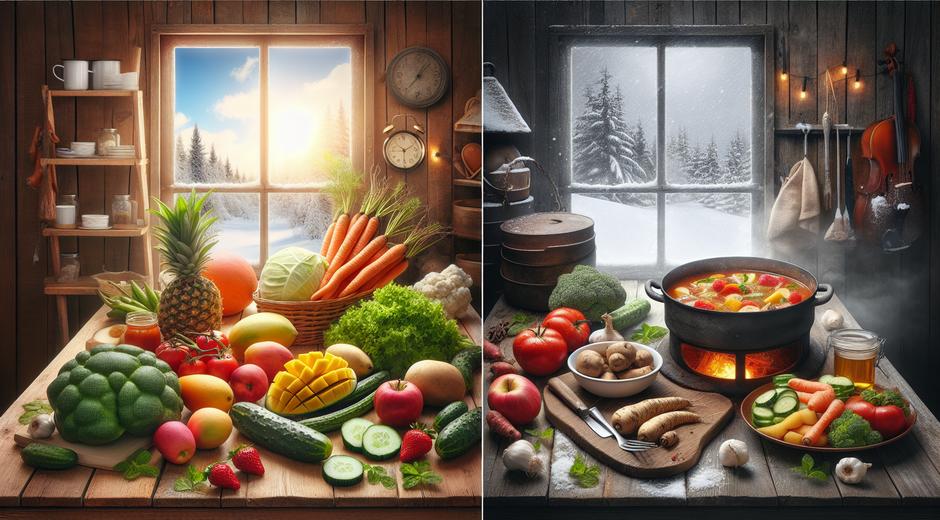
Spring menus focus on tender greens peas young asparagus and light citrus dressings Think simple preparations that highlight freshness A spring dinner might include a pea soup with mint and a lemon vinaigrette salad Summer calls for grilled vegetables stone fruits tomatoes and fresh herbs Emphasize quick cooking methods like grilling stir fry and quick roasts to preserve texture and brightness Autumn brings squashes apples pears and root vegetables Hearty roasts braises and warming soups work well Winter favors storage crops cabbage beets carrots and citrus Use braising slow roasting and stewing to extract deep savory flavors
Building a Seasonal Pantry
A seasonal pantry supports quick meals Keep staples like good olive oil vinegars dried beans lentils rice and a selection of preserved items such as jarred tomatoes or frozen fruit Basics like garlic onions and citrus retain versatility across seasons Add shelf stable condiments that you enjoy and rotate them as trends change Storing a few specialty items related to the current season keeps meals lively while reducing the need for long shopping lists
Creative Ways to Use Leftovers
Leftovers are a key part of mindful Seasonal Cooking Transform roasted vegetables into a savory frittata toss chilled grains and roasted veg into a salad or shred cooked chicken into a spicy wrap Leftover soups can become sauces for pasta or bases for stews Stretching ingredients reduces waste and sparks creativity in the kitchen
Seasonal Cooking for Entertaining
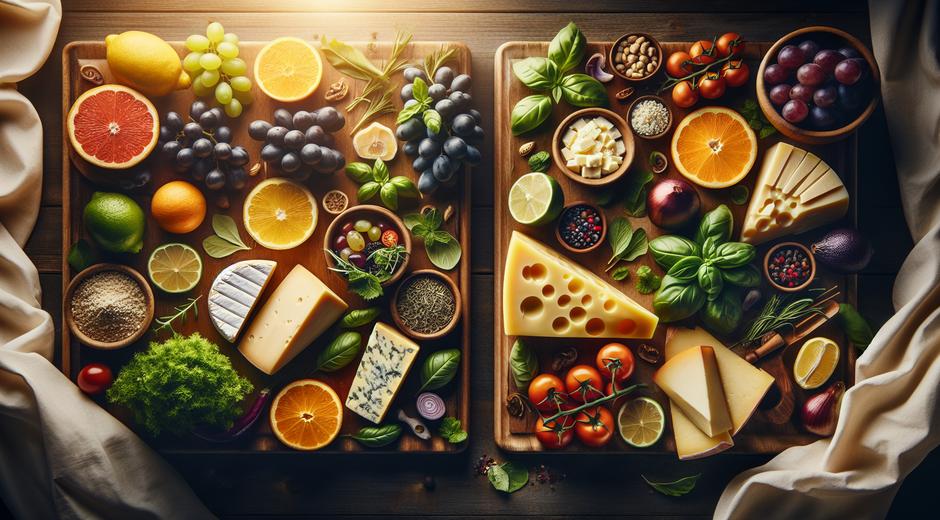
Seasonal menus make hosting easier Choose a small number of standout items and cook them simply A summer gathering might be a spread of grilled vegetables fresh cheeses crusty bread and a fruit based dessert An autumn dinner could feature roasted squash a whole baked fish and a spiced pear galette Celebrating the season through menu choices creates a memorable shared experience
Tips for Flavorful Seasonal Pairings
Balance is essential Match sweet produce with acidic elements like vinegar or citrus to brighten richness Pair bitter greens with sweet roasted beets and tangy cheeses Use crunchy textures to contrast soft cooked grains Add herbs and spices that complement rather than compete Fresh basil parsley and cilantro are powerful finishers while toasty spices like cumin or smoked paprika can ground richer winter dishes
Practical Calendar for Seasonal Success
Keep a simple seasonal calendar on your phone or fridge Note harvest windows for your area Mark market days and plan meals around what is available Weekly planning saves time and reduces impulse purchases Start small by committing to Seasonal Cooking two days per week and expand as you learn what resonates with your household
Final Thoughts
Seasonal Cooking reconnects us with the rhythm of nature and rewards us with better taste nutrition and sustainability By planning menus around seasonal availability preserving excess and mastering a few key techniques you can create vibrant food every week For ongoing recipes and seasonal guides visit our main site at tasteflavorbook.com and explore how simple changes can transform your meals into fresher more flavorful experiences