

Seasonal cooking A practical guide to fresh flavor all year
Seasonal cooking is a timeless approach that brings fresh flavor to every meal while supporting local growers and lowering food waste. Embracing the rhythm of the seasons transforms everyday cooking into a creative practice that highlights peak quality and nutrition. Whether you are a busy home cook or a passionate food lover, learning how to plan menus around what is fresh helps you save money and enjoy better tasting meals. For more inspiration and recipe ideas visit tasteflavorbook.com where seasonal guides and tips live in one place.
Why Seasonal cooking matters
Choosing seasonal ingredients gives you better flavor because produce harvested at peak ripeness has more natural sugars and fuller aroma. Seasonal cooking also often means lower cost. When fruits and vegetables are abundant they are priced more competitively. Beyond price and taste there are environmental benefits. Local seasonal produce travels shorter distances which lowers fuel use and emissions. For home cooks the reward is a simpler pantry. Menus become guided by what is fresh which reduces the need for long ingredient lists and complicated substitutions.
How to shop for seasonal ingredients
Start by learning what is in season in your region. Local markets and farm stands are the best places to learn because vendors can tell you what just came in. Farmer markets are a goldmine for seasonal items and offer an opportunity to ask about growing methods. Join a farm share or community supported agriculture box to receive a curated selection of seasonal produce each week. When you grocery shop look for items that are firm and fragrant. Avoid selecting produce that looks dull or soft which is often a sign it was harvested too early or stored too long.
Meal planning for Seasonal cooking
Planning meals around seasonal items reduces food waste and streamlines shopping. Start by choosing one or two star ingredients for the week like peaches in summer or squash in fall. Build meals around those stars and pair them with pantry staples such as rice beans and whole grain pasta. Use a simple rotation of proteins and vegetables to keep dinners interesting. Batch cook a few components such as roasted vegetables or a pot of soup so you have flexible building blocks for quick lunches and dinners.
Techniques that highlight seasonal produce
Simple techniques are often the most effective when working with high quality seasonal ingredients. Roasting concentrates flavor in root vegetables and squash. Searing and quick sauteing preserve texture in greens and tender summer produce. Light pickling elevates cucumbers and onions and creates a tangy condiment that lasts for weeks. Grilling adds a smoky note to stone fruit and corn. Steaming and blanching are great for preserving bright color and nutrients in green vegetables. Allowing produce to rest for a few minutes after cooking lets flavors settle which improves the final dish.
Recipe ideas by season
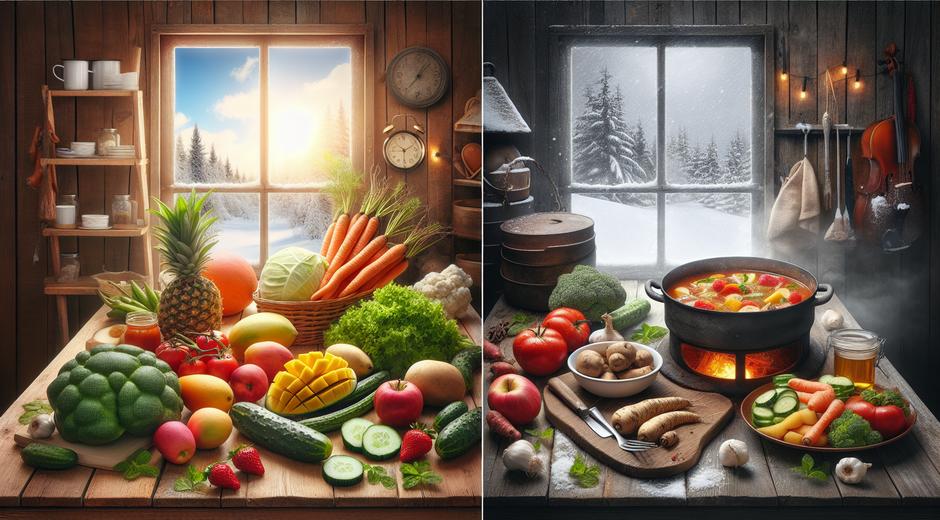
Spring offers tender greens asparagus and early strawberries. Try a warm grain bowl with roasted asparagus fresh peas a soft boiled egg and a herb vinaigrette. Summer is the moment for tomatoes sweet corn and peaches. A fresh tomato tart or simple corn salad with fresh herbs will showcase natural sweetness. Autumn brings apples pears winter squash and hardier greens. Prepare a roasted squash and apple hash with sage for a cozy dinner. Winter is perfect for citrus root vegetables and slow cooked stews. Braise seasonal roots with beans and robust spices for a satisfying meal.
Preserving seasonal bounty for later
Preserving methods stretch seasonal flavor into the weeks when fresh items are less available. Freezing is ideal for summer berries and chopped tomatoes. Canning preserves peaches and tomatoes in a shelf stable form that is convenient in winter months. Fermenting creates tangy krauts and pickles that add depth to simple sandwiches and bowls. Drying herbs and citrus zest captures aroma for year round use. Even simple techniques like freezing portions of soup or sauce save time and maintain flavor quality when you need a quick meal. Learning a few preserving methods pays off when seasonal produce is at its peak.
Health and eco friendly benefits
Seasonal cooking often leads to a more nutrient dense diet. Produce picked at peak ripeness retains more vitamins and antioxidants. Eating seasonally also encourages a varied diet across the year which introduces a broader range of nutrients. From an eco friendly perspective seasonal and local food reduces transportation and storage energy. Choosing seasonal items supports local economies and strengthens connections between communities and food producers. Small choices at the market add up to meaningful environmental impact.
Simple tips to get started today
Make a plan to try one new seasonal ingredient each week. Visit a farmers market once a month and talk to growers about what they recommend. Keep a small list of pantry items that pair well with seasonal produce like grains nuts and a few versatile spices. Start a simple preserve project such as pickled cucumbers or a batch of frozen berries for smoothies. If you want to explore seasonal recipes and seasonal pairing ideas check out curated content and guides at GamingNewsHead.com which highlights seasonal trends and seasonal cooking resources that help home cooks grow their skill set.
Bringing seasonal cooking into everyday life
Seasonal cooking is not a strict rule set. It is a flexible approach that invites experimentation. Start small and adapt based on taste and schedule. Over time you will notice better tasting meals and a smaller grocery bill. Seasonal cooking reconnects you to the natural rhythm of food and encourages mindful eating. It also makes cooking more fun because each season introduces new colors textures and flavors to explore. Embrace what is fresh and let the seasons inspire your next meal.
Seasonal cooking is an accessible way to improve flavor save money and support the environment. With a few simple habits you can make seasonal ingredients the foundation of your kitchen life. Enjoy the taste of each season and build a repertoire of recipes that celebrate peak quality and natural freshness.