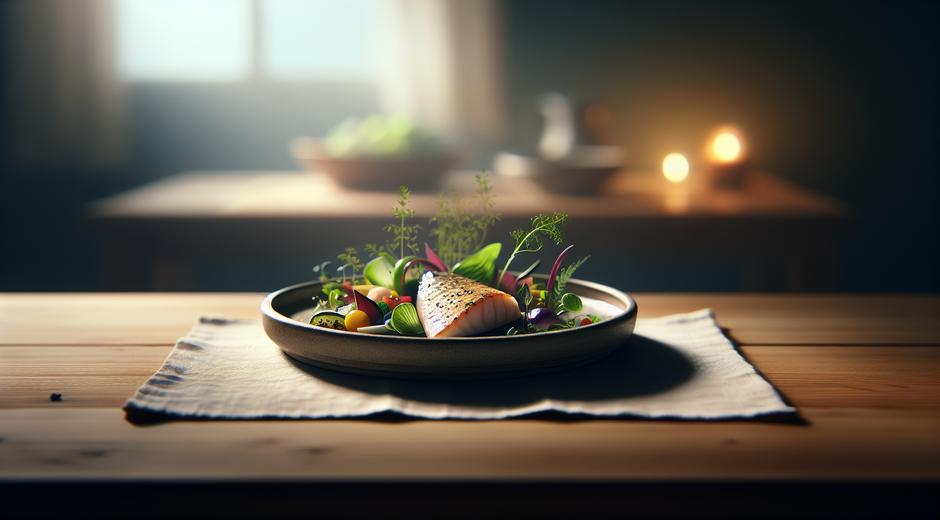


Simple plating: Elevate everyday meals with easy design
Simple plating is a powerful way to make food feel special without adding complexity to cooking. Whether you are serving a quick weeknight dinner or hosting friends, learning a few basic ideas will help you present dishes that look intentional and inviting. In this article you will find practical tips and creative cues that focus on balance color texture and ease. These ideas work for home cooks of every level and will help your meals look as good as they taste.
Why simple plating matters
Good plating transforms a plate into an experience. Simple plating does this with minimal tools and a clear sense of purpose. Plates that are clutter free feel more refined and let each ingredient shine. When you learn to arrange food with attention to scale color and negative space you change how people perceive a meal. A modest dish can feel gourmet with just a little care in placement and a small garnish that ties everything together.
Core principles to guide your plating
Focus on a few core principles that make simple plating effective. First think about contrast. Contrast can be in color like bright green against warm brown or in texture like crisp against creamy. Second think about scale. Keep portions and shapes varied so dishes do not look flat. Third think about negative space. Leaving some empty area on the plate frames the food and makes the presentation cleaner. Finally think about balance. Visual balance is not always symmetrical. You can place a main component to one side and balance it with a sauce or garnish on the other side.
Choose the right plate
Plate choice matters but it does not have to be elaborate. A plain white plate remains a favorite because it enhances color and simplifies composition. Dark plates can add drama and are great for pale foods. Round plates are classic while square plates add a modern touch. Whatever you choose make sure the plate size fits the portion. Too much empty space can look odd and too small a plate can feel crowded. A simple rim can add structure but avoid highly patterned plates that compete with the food.
Start with the main element
Always start by placing the main element. This might be a piece of fish a portion of protein or a composed salad. Set it slightly off center rather than smack in the middle for a natural modern look. If you want a more formal feel you can center the main element but for everyday simple plating an off center approach often reads as more relaxed and modern.
Add complements with purpose
Once the main element is in place add supporting items. Arrange vegetables grains or sauces so they complement shape and color. Group items instead of scattering them. Small piles or neat rows feel purposeful. Use height to create visual interest by stacking or leaning elements against each other. Keep sauces controlled. A simple swipe a few dots or a small ring around the main element will look deliberate. Too much sauce poured around the plate can obscure design and confuse texture.
Use color and texture to create contrast
Color is one of the most immediate cues on a plate. Bright herbs pick up flavors and add visual freshness. Roasted vegetables bring warm tones while citrus and pickled elements add bright pops. Texture contrast matters as well. Crisp elements like toasted nuts or fried herbs can lift a creamy dish. A crunchy component also gives a pleasing mouthfeel which reinforces the visual promise you set with plating.
Garnish with intent
Garnish is not mere decoration. It should taste good with the main dish and highlight a flavor note. Use herbs citrus zest edible flowers or micro greens sparingly. A single thoughtfully placed sprig or grated zest over the top often has more impact than a heavy scatter. Avoid garnish that is purely decorative with no connection to flavor. The best garnishes hint at what is on the plate.
Master simple techniques
Practice a few simple techniques that support elegant presentation. A sauce swipe can be done with the back of a spoon across the plate before you place the main element. Use a spoon to place dots of puree for a modern feel. Use tongs for delicate placement of small components so the layout stays tidy. Use a spoon to glaze a protein with a glossy finish that catches the light. These small gestures are easy to learn and scale up quickly for entertaining.
Pay attention to lighting and cleanliness
Presentation does not end at the plate. Good lighting will highlight color and texture so choose a well lit space when possible. Clean the rim of the plate before serving. A small smear or a drop of sauce on the rim can distract from the overall image. Use a paper towel to wipe edges and make final adjustments to the layout. Serving food that looks tidy communicates care and quality.
Simple plating for specific dishes
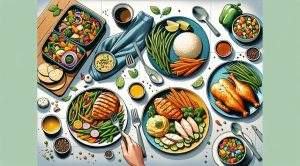
Different dishes benefit from different approaches. For soup place a swirl of cream or flavored oil on top and add a few herb leaves for contrast. For pasta twirl a nest in the center and top with grated cheese and a small herb sprig. For a composed salad place ingredients in sections so each component remains visible. For grilled protein place the protein on one side and arrange vegetables or a grain to the other side. These small adjustments let the eye travel and appreciate each element.
Tools that help without adding clutter
You do not need professional tools to do simple plating but a few items can help. A small offset spatula helps spread sauces elegantly. Tweezers or kitchen tongs allow precise placement of small items. A ladle and a squeeze bottle make it easier to control sauce application. If you want a tidy look a ring mold can help shape grains or stacks. These tools support your intent while keeping the process efficient.
Practice and build your own style
Plating is both skill and expression. Start with the ideas here then practice. Photograph plates to see what reads best on camera as well as on the table. Over time you will develop a style that fits your tastes and the types of food you cook. Keep notes on combinations that work so you can repeat them with confidence.
Use simple plating to tell a story
Think about the story each dish tells. Simple plating is especially effective when each element has meaning and purpose. A tiny pile of pickles hints at acidity a bright herb suggests freshness a scattering of seeds suggests texture. These cues set expectations for the first bite. When the senses align with the visual message the dining experience becomes memorable.
Where to find more inspiration
If you want to explore ideas and gather inspiring images you can browse a variety of food and design sources. For curated content that covers food presentation and related lifestyle topics visit tasteflavorbook.com where you will find guides recipes and visual examples focused on everyday cooking and presentation. For tools and products that help with home food styling check resources and shopping guides at Techtazz.com where you can find options that fit a home kitchen budget.
Final thoughts on simple plating
Simple plating is about clarity and intention. It helps make meals feel considered without adding time or complexity. By focusing on contrast scale texture and negative space you can lift ordinary plates into something special. Use a few gentle techniques keep your plates tidy and choose garnishes that belong to the dish. With a little practice simple plating will become part of your routine and will make the act of serving food feel more rewarding for you and your guests.