

Slow cooking methods
Slow cooking methods are a timeless approach to transforming humble ingredients into rich and tender meals full of depth and comfort. Whether you are new to gentle heat based cooking or a seasoned home chef looking to refine technique, slow cooking rewards patience with flavors that develop over time. In this guide we cover why these methods work well for many types of food, which equipment to choose, and practical tips to help you consistently deliver the best results.
Why choose slow cooking methods
Adopting slow cooking methods changes how proteins and vegetables respond to heat. Long gentle cooking allows connective tissue in tougher cuts to break down into gelatin. This creates a silky mouthfeel and natural thickening without added thickeners. Slow heat also gives aromatic compounds time to mingle and deepen. For busy households slow cooking can be a time saver because many recipes require minimal active attention once they are set up. The result is satisfying comfort food with minimal fuss.
Essential equipment for successful slow cooking methods
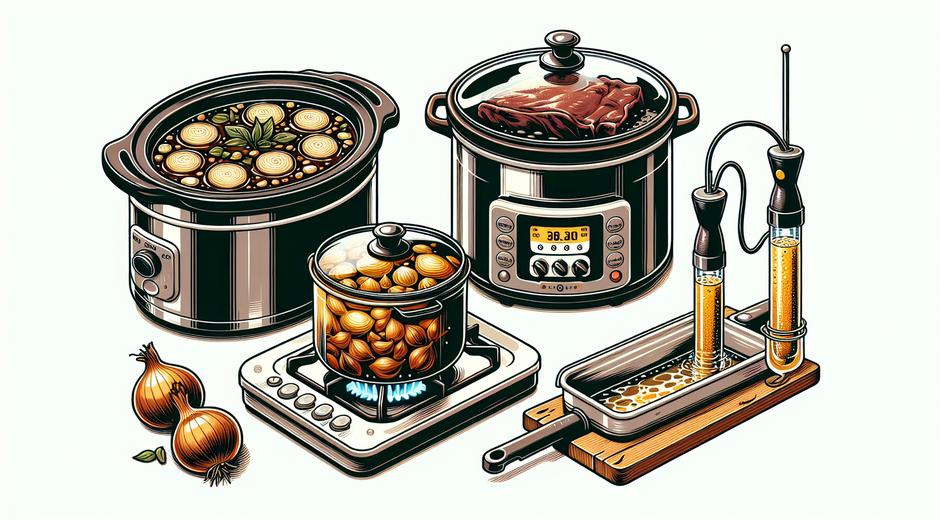
You do not need exotic tools to start. Here are common options that work well for slow technique.
- Heavy based oven safe pot with a tight fitting lid cooked at low oven temperature for even heat.
- Slow cooker unit which offers convenient low and high settings for friction free long duration cooking.
- Pressure cooker used with its lower pressure setting or even for browning before finishing in slow heat.
- Cast iron pot that retains heat and simmers steadily on low stove burner.
Each tool has strengths and the best choice depends on your routine and recipe. For inspiration and recipes that thrive with slow technique visit tasteflavorbook.com for a wide range of ideas and tips to get started.
Core techniques and temperature guide
Mastering slow cooking methods requires attention to temperature time and moisture. Here are core guidelines to follow.
- Maintain a gentle simmer rather than a rolling boil. Very high heat can toughen proteins and evaporate too much liquid.
- Cook tougher cuts of meat at low temperature until fork tender. Typical times range from several hours to much longer for large roasts.
- Vegetables will take different times. Root vegetables like carrots and potatoes benefit from long cook times while softer vegetables may need to be added later.
- Keep the pot covered to retain moisture and flavors. If a recipe looks too thin toward the end raise the heat briefly to reduce the sauce to the desired consistency.
When using an oven set the temperature between one hundred forty and one hundred ninety degrees Celsius for most slow casserole style dishes. Slow cooker settings vary by model so consult the manual and learn how your unit translates low and high settings into real time. For stew style meals a low setting for six to eight hours often yields excellent results while a high setting for three to four hours may suit a shorter timeline.
Building layers of flavor with slow cooking methods
Slow cooking is an exercise in layering. Start with aromatics and build upward.
- Sear or brown meat first to create caramelized flavor that adds depth to the final dish.
- Sweat onions garlic and similar aromatics to release natural sugars before adding liquids.
- Use quality stock wine or canned tomatoes as the cooking liquid to deliver a base of complexity.
- Add delicate herbs late in the cooking process to preserve brightness and add hearty herbs early for earthy backbone.
Seasoning slowly helps. Salt early to begin drawing out moisture and taste again near the end to correct final balance. Acids such as a splash of vinegar or a squeeze of citrus at the finish can brighten rich slow cooked sauces and lift the overall profile.
Best ingredients to choose for slow cooking methods
Certain ingredients shine with long gentle cooking. Here are top picks.
- Tougher cuts of meat like chuck shoulder and shank are ideal because connective tissues soften into gelatin over time.
- Poultry legs and thighs hold up well to extended heat while breast meat can dry out if overcooked so add it later in the process.
- Root vegetables and winter squash become creamy and sweet making them excellent companions for prolonged braising.
- Dried legumes and beans soften fully when simmered patiently and absorb surrounding flavors beautifully.
Choose seasonal produce and quality liquids to maximize natural taste. Fat is also a carrier of flavor so do not be afraid to include some to enrich the cooking liquid and sauce.
Common slow cooking methods explained
There are several techniques within the broad category of slow cooking methods. Understanding each will help you pick the best one for a given recipe.
- Braising combines both moist and dry heat by searing first then simmering in a covered pot with some liquid. This is perfect for short ribs and pot roast.
- Stewing involves cutting ingredients into uniform pieces and fully submerging them in liquid to cook evenly into a thick stew.
- Slow oven roasting at low temperature keeps large roasts tender while concentrating flavors over time.
- Slow cooker cooking is a convenient hands off method that excels for soups stews and one pot meals when time is available.
Timing and testing for doneness
Unlike quick methods slow cooking relies on feel and observation rather than strict timers. Check meat with a fork to see if it falls apart gently and test vegetables for a tender bite. If a dish is close to the desired texture but still thin raise heat and reduce the liquid to concentrate flavors.
Food safety tips for slow cooking methods
When cooking at low temperatures keep these safety points in mind.
- Bring liquids to a safe simmer quickly then reduce heat to the appropriate low setting to prevent extended time in the temperature danger zone.
- When thawing frozen ingredients do so in the refrigerator before combining into a long cook process to avoid prolonged mild temperature exposure.
- Store leftovers in shallow containers and refrigerate within two hours of serving to maintain quality and safety.
Creative uses and recipe inspiration
Slow cooking methods are not limited to stews and roasts. Use the same principles to make pulled protein sandwiches rich bone broth infused sauces and even desserts such as fruit compotes that cook down to jam like intensity. For accessories and kitchen tools that enhance slow cooking and help you explore new recipes check resources and curated products at Museatime.com.
Tips to prevent common problems
Here are quick fixes for issues you may encounter.
- If a sauce is thin remove the lid and simmer briefly until reduced.
- If meat is dry avoid overcooking breast style cuts and consider adding them later in the process.
- If a dish is bland taste and adjust salt acid and herbs near the end rather than only at the start.
Conclusion
Slow cooking methods offer a reliable pathway to deeply flavored comforting meals that suit busy lifestyles and relaxed weekend projects alike. With the right equipment technique and a focus on layering flavors you can turn inexpensive cuts and simple produce into memorable dishes. Start with a trusted recipe and then experiment by varying liquids herbs and finishing touches. The more you practice the better you will be at predicting timing and balancing taste for exceptional results every time.