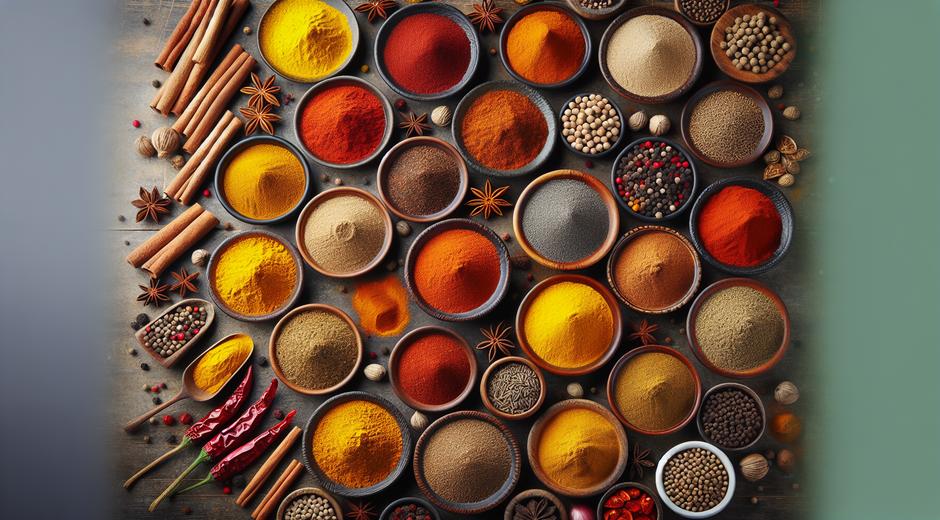


Spice Blends: The Art and Science of Layered Flavor
Spice Blends are one of the simplest and most powerful tools a cook can use to elevate everyday food into memorable meals. Whether you are seasoning a quick weeknight protein or building a slow cooked stew that simmers for hours, the right mix of spices brings depth aroma and character. In this article we explore why Spice Blends matter how to build them and how to use them to make meals that delight family and guests alike. For more ideas and inspiration with recipes and flavor combos visit tasteflavorbook.com for a growing library of spice driven dishes.
Why Spice Blends Matter
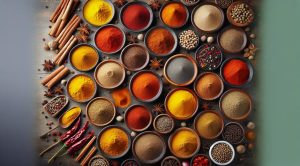
Spice Blends combine multiple spices into a harmonious profile that can be applied quickly and consistently. A well made blend balances heat sweetness earthiness acidity and aromatic lift. The result is food that tastes intentional. Instead of adding single spices at random a blend lets you achieve a complex outcome with a single scoop. This saves time and reduces the margin for error for cooks at every level.
Beyond convenience blends also capture culinary traditions. A classic regional mix is a shortcut to the flavors of a place. Use a North African blend and you create a base for tagines couscous and roasted vegetables. Use a Southeast Asian palate and the same protein can take on an entirely different identity. Spice Blends are both a cultural artifact and a practical kitchen tool.
Popular Spice Blends Around the World
Exploring global blends expands your spice vocabulary and opens new techniques to try. Here are a few influential blends and the cuisines they represent.
Garam Masala from the Indian subcontinent is warm fragrant and often finished at the end of cooking to preserve aroma. Zaatar from the Levant pairs thyme sesame and sumac for a bright nutty savory result that is great on bread and vegetables. Berbere from Ethiopia is complex and pungent with heat and deep red color making it ideal for stews and braised proteins. Chinese Five Spice combines sweet bitter and aromatic elements to complement roasted and stir fried dishes. Herbes de Provence blends floral and savory herbs for a fragrant finish on roasted meats and vegetables.
Each of these blends teaches a different way to think about balance. Some lean toward heat some toward floral top notes and some toward earthy backbone notes. Learning their profiles helps you choose or modify a blend for your dish.
How to Build Your Own Spice Blends
Creating Spice Blends at home is gratifying and often more economical than buying pre mixed jars. Use this step by step approach to design blends that suit your palate and your pantry.
1. Start with a goal. Decide what cuisine or outcome you want. Is the blend for roasting for stewing or for a marinade. Knowing the purpose will guide ingredient choice.
2. Pick a backbone. Choose one or two dominant spices that will define the character. This could be cumin for an earthy base or smoked paprika for a rich smoky profile.
3. Add complementary notes. Layer mid notes such as coriander fennel or cinnamon. These add complexity and help the backbone sit well against other elements in the dish.
4. Finish with lift. Include a small amount of bright or aromatic spice like cardamom citrus peel or sumac. These components wake the palate and keep the blend from feeling flat.
5. Consider texture and form. Whole spices that are toasted and ground at home will yield stronger fresher flavors than pre ground versions. Toasting seeds brings forward oils and aroma. Grind just enough for your use cycle to preserve potency.
6. Test and adjust. Try a small batch on a simple vehicle such as roasted vegetables or grilled chicken. Take notes on what to increase or reduce. Blends often improve after a day or two as flavors marry.
Storage and Shelf Life
Spice Blends are best when fresh. Ground spices lose intensity over time. Store blends in airtight containers away from heat light and direct moisture. A cool dark cabinet is ideal. For blends made from whole spices that were toasted and ground store in small jars and plan to use them within a few months for best aroma. If you notice a muted smell it is time to refresh the mix.
Using Spice Blends in Everyday Cooking
One of the most useful aspects of Spice Blends is their ability to shift the theme of a meal instantly. Here are practical ways to integrate them into day to day cooking.
Rub blends into proteins before roasting or grilling to create a seasoned crust. Stir blends into sauces soups and stews early so the flavors have time to bloom. Add a pinch at the end of cooking for aromatic punch where volatile oils need to remain intact. Mix blends with oil or yogurt to make quick marinades and dressings. You can even sprinkle blends on snacks like roasted nuts or popcorn for a creative twist.
If you are interested in the wider landscape of spice sourcing trade and its impact on food cultures a curated resource can provide insight into how supply chains and policy influence what arrives on your table. Learn more at Politicxy.com for articles that connect flavor with global context.
Tips for Buying and Blending Whole Spices
If you want maximum flavor consider buying whole spices in small quantities. When you toast and grind whole seeds you capture fresh volatile oils that make blends sing. Use a spice grinder or a mortar and pestle for best control over texture. Label jars with the blend name and the date made to keep track of freshness.
Be mindful of salt in blends if you plan to use them across different applications. Blends that include salt limit flexibility. Make a salt free version for cooking and add salt to individual dishes as needed. Also experiment with heat sources. Fresh chilies dried chilies smoked chilies and ground forms all behave differently. Small adjustments can change the dining experience profoundly.
Balancing Innovation and Tradition
While honoring the classic compositions of regional Spice Blends is a respectful way to cook experimenting leads to new discoveries. Combine elements from two traditions to suit your taste or local ingredients. Keep a tasting journal to record how tweaks change the result. Over time you will develop signature blends that reflect your kitchen and your style.
Spice Blends are an accessible path to better tasting food. They save time provide consistency and connect cooks to global flavor traditions. Whether you buy blends or craft your own the important thing is to use them mindfully and to taste as you go. Good blends inspire creativity invite sharing and turn ordinary routines into memorable flavor experiences.
Ready to experiment. Gather a few whole spices choose a backbone and begin. With practice you will be surprised how a small jar of thoughtfully composed blend transforms the way you cook and eat.